An ocean of trauma brought to life through film
Article by Owentando Zantsi
Photgraphy by Tiro Thsetlo
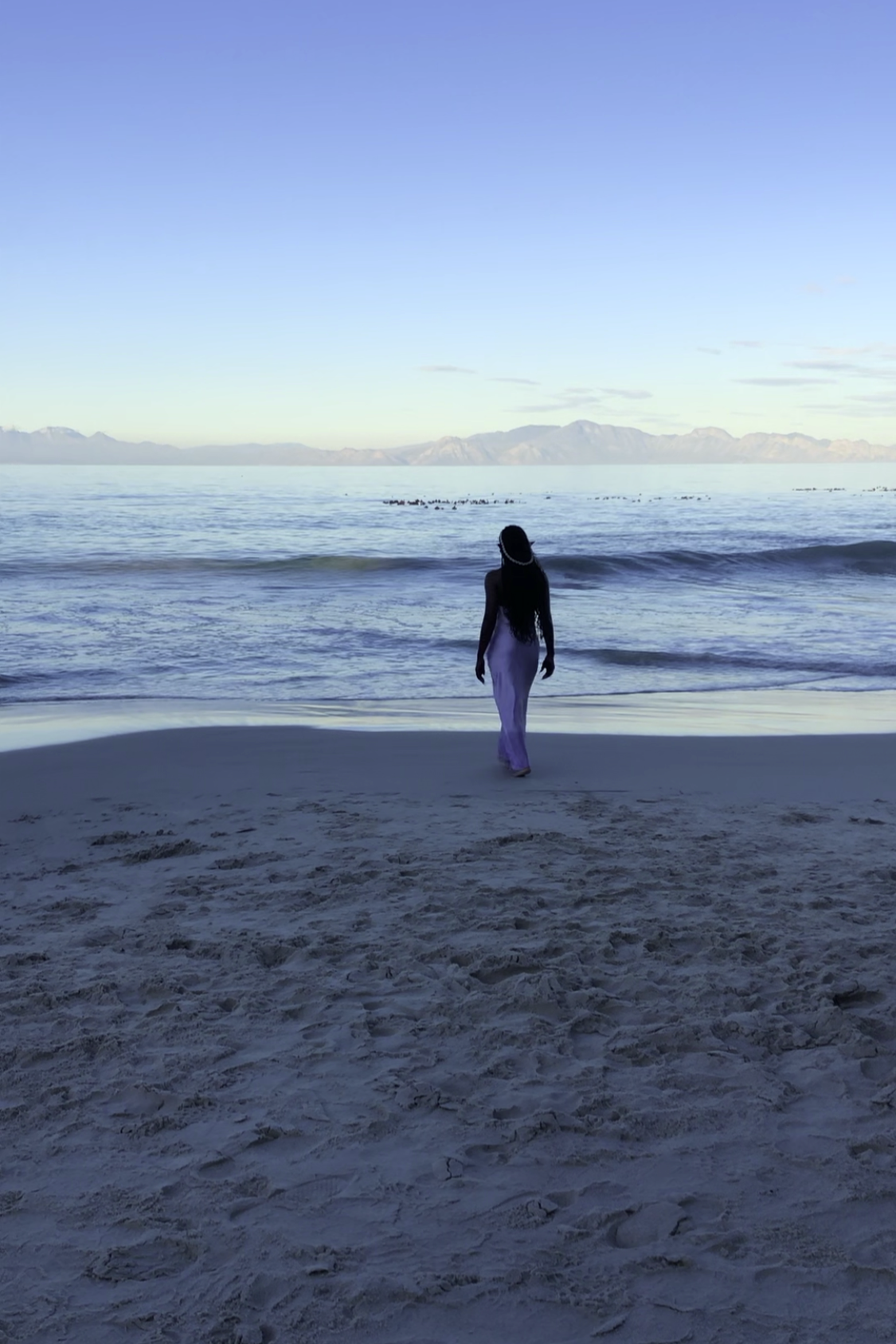
To commemorate the end of the 2025 AFDA film festival, we got to see the final film Sirens Call. We were first introduced to this film when the co-producer, Ewe Ramaphakela, contacted the VERVE team with an enticing pitch for us to cover it. As a result, we scheduled a preliminary interview in preparation of the launch.
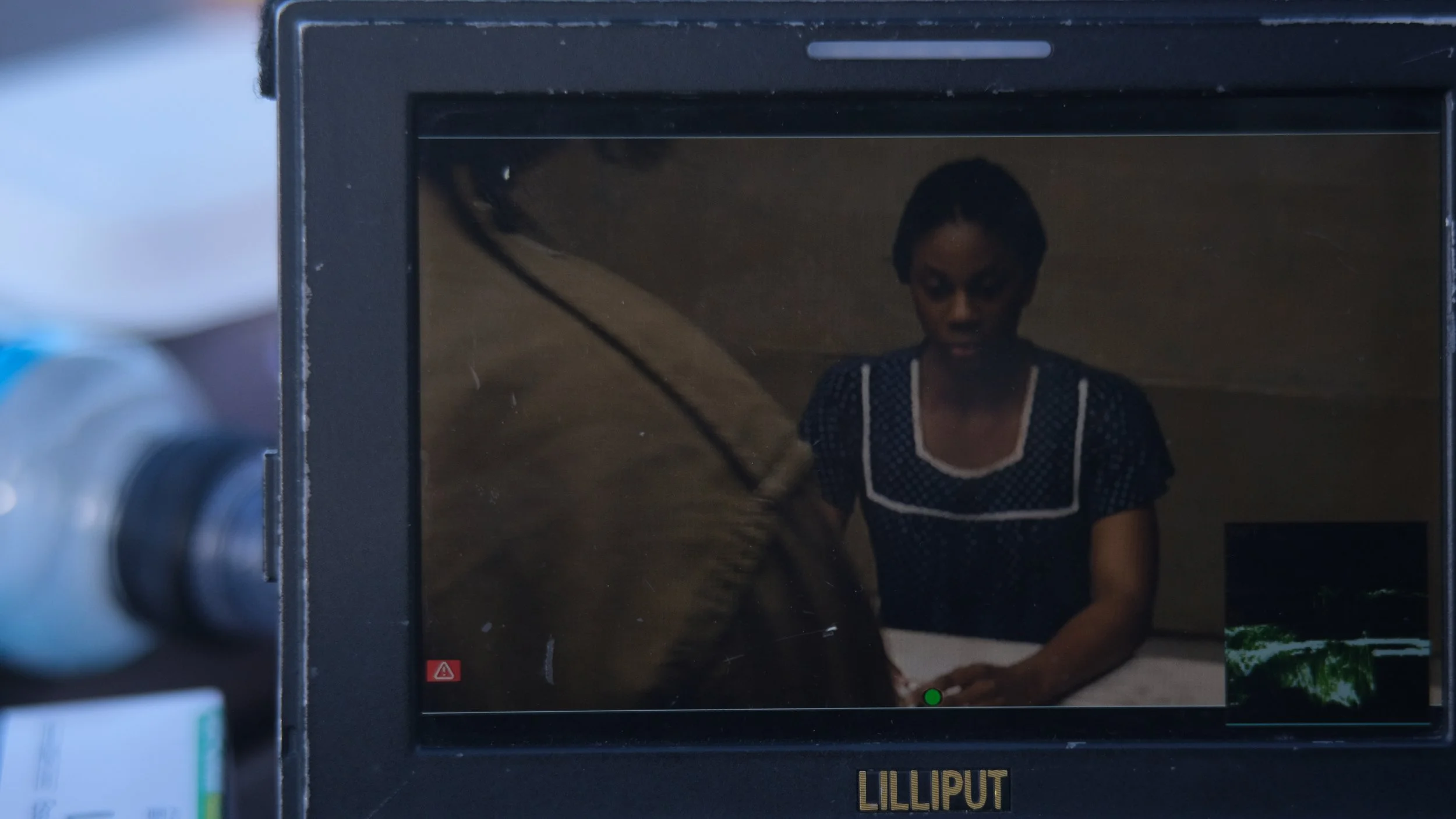
The film's narrative follows a woman that wakes up in a random man’s bed with no recollection of who she is, or how she got there. As she interacts with the man, named Marlin, her confusion ends up growing into impatience, as he dacnes around the truth of her identity.
The story follows her journey of self discovery and liberation from the terrifying reality she finds herself in. Though it is about a siren, its exploration of gaslighting and relationship trauma is done quite well for a student film.
Its focus on the psychological effects on women in relationships bred with deceit is interesting and I would have loved to see more of the story.
There is so much of the film I feel could have been explored, from the beginning and how the two met, to the interactions with the rest of the town. The one thing that left me the most curious was the wacky character Jacob. Throughout the story, it's clear his character was significant in the siren’s self-realisation but I wonder if this was on purpose or just a crazy man who saw what happened on that day at the beach.
Even the ending left me all the more curious as to his impact and the history and the lore behind what actually happened to them. This sentiment was not just mine - during the questions session at the end of the screening the co-directors expressed a similar idea.
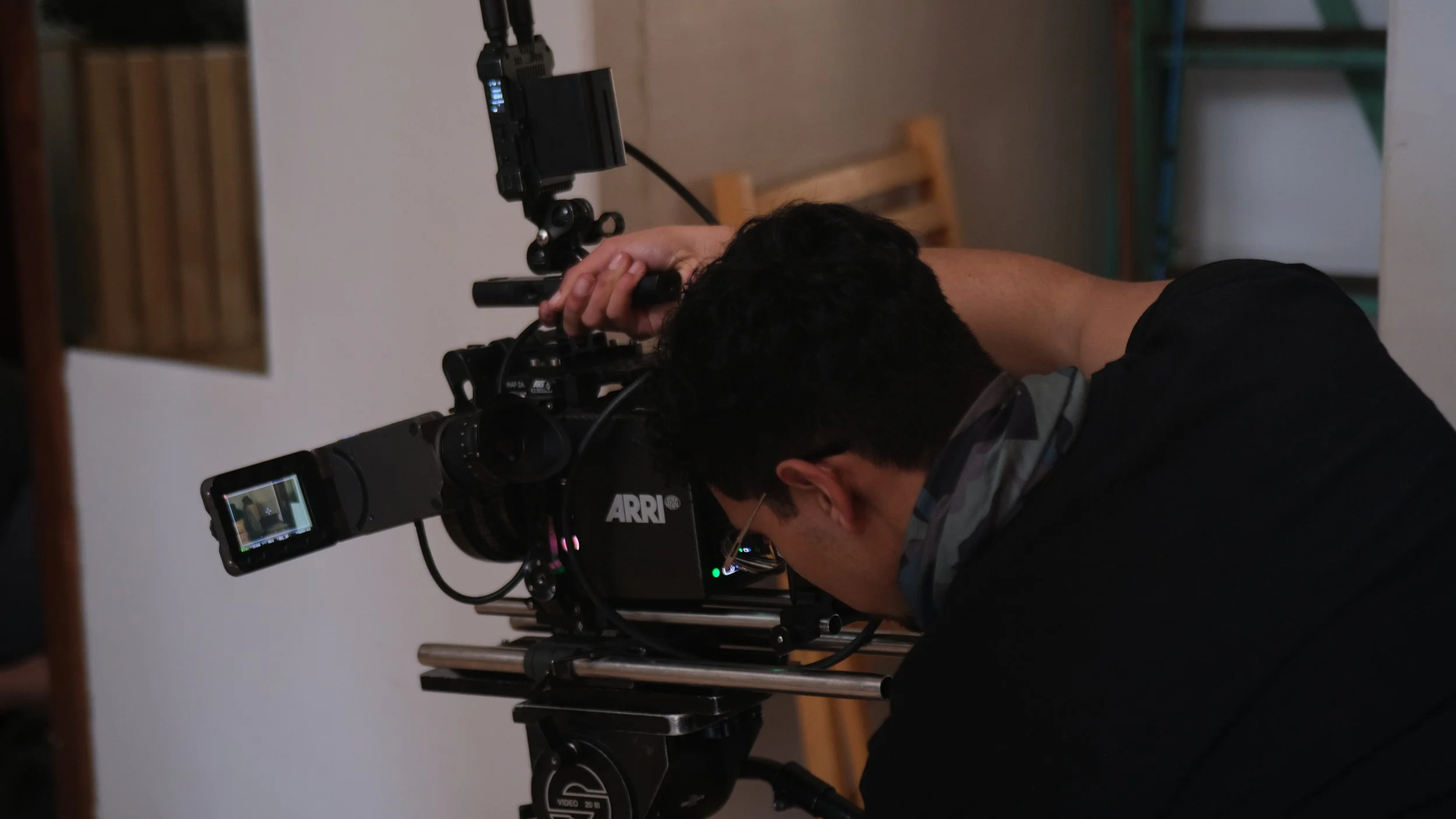
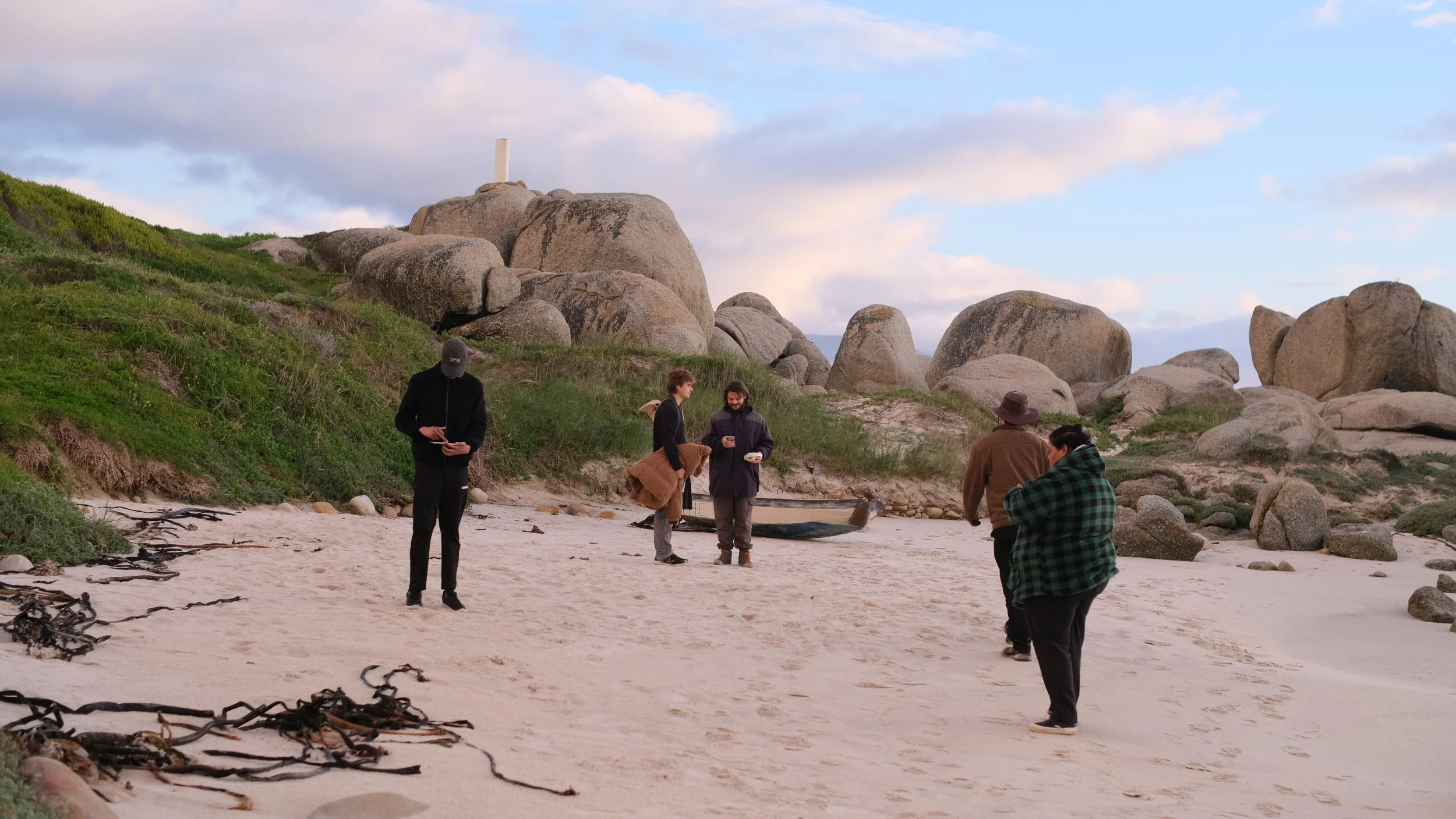
This said, the film was impressively produced for a student film working with a small budget. The attention to detail in its setting and production, the creativity of the plot and creation of the film were a few of the topics we covered in our interview with Ewe.
What was the inspiration behind Siren's call?
The film’s inspiration is rooted in siren folktales throughout African mythology, with primary influences being the movies Mami Wata (2023) and Onedie (2009). It was an important milestone for them to watch films that had a similar theme and storyline because it made their idea seem more attainable.
"It has been done before. What we're saying does exist in a cinematic point of view"
What role did you (Ewe) play in the film's production?
As co-producer, Ewe and her team had numerous meetings to come up with their story. When one member pitched this as the final story, many members were initially not completely sold. But the story’s unique way of telling a sensitive story through fantasy elements drew them in. Ewe herself shared that she had never been part of a psychological thriller, and it came with a new perspective and challenges.
“It's like when you put glitter onto something. Even though the situation you are talking about is real, you are telling that story from a different perspective”
And what was the prouction experience like for you?
“In the beginning it was a bit daunting I won't lie, because it is a lot of getting out of your comfort zone, digging deep within yourself and finding out what you actually want to say”
This process was not an easy one, with many narrative changes along the way. Additionally, it needed quite a lot of research and time put into it to be able to tackle the core message of the story. Not just to make an aesthetically pleasing film, but to truly unravel the world of psychological abuse in relationships.
The team's goal was to look past their own fears of telling such a sensitive and often uncomfortable story, and focus on why they were telling it. To confront the social stigmas and have the conversations we so often shy away from.
From Ewe’s perspective, many personal life lessons came from making this film.
“For me, it was a learning curve. It was daunting as I said but there’s so much more to offer when there’s this fear. It’s like I have nothing to lose in the moment– it’s just your mind telling you ‘probably don’t do that because society will say this and that’ But that’s when you should dig more”
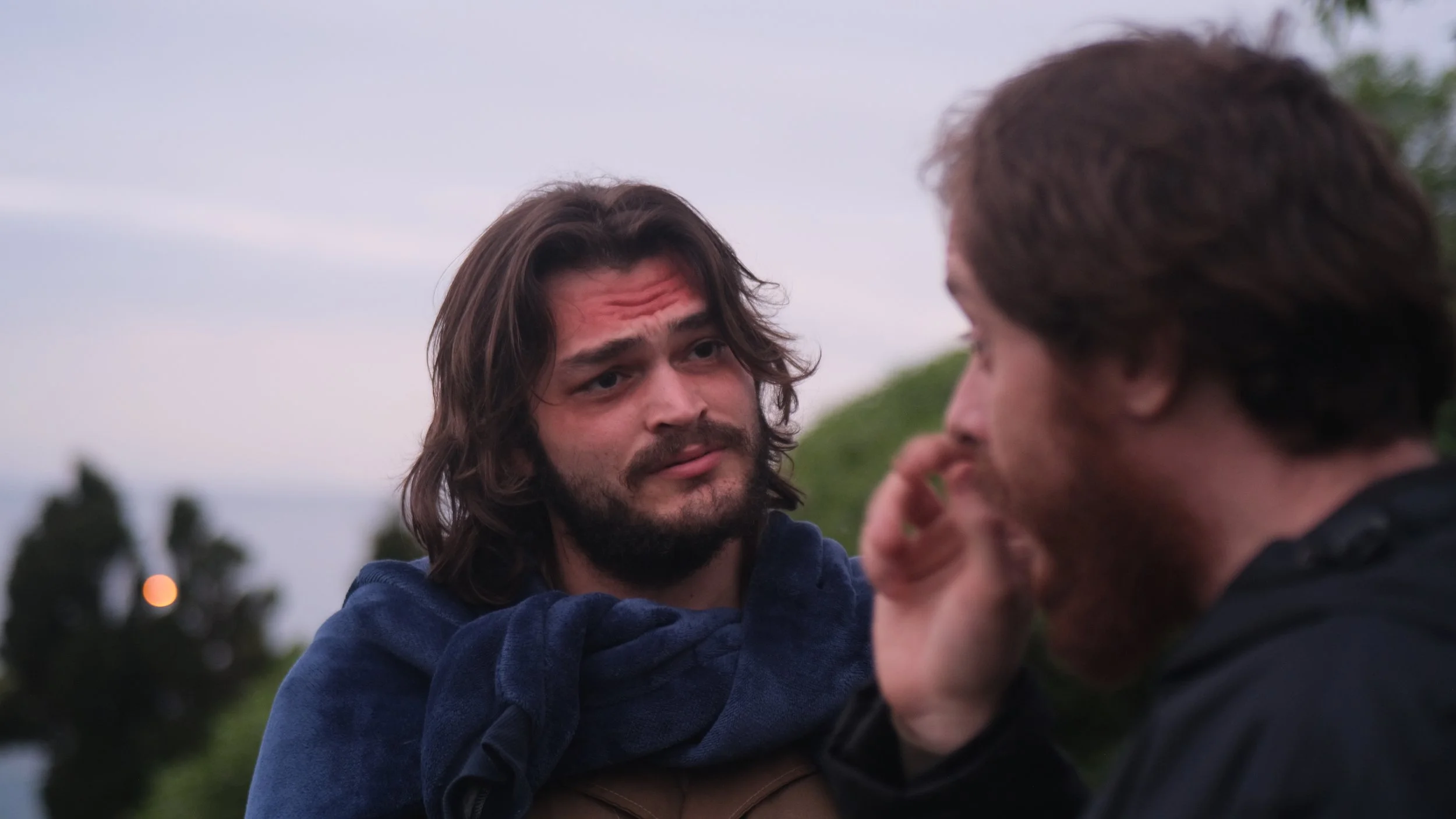
How did you ensure the end product is what you and the team intended?
Many meetings helped them navigate what they wanted to say. The open communication between the cast made it easy to go back and forth when needed, and make necessary changes. The relationships between the team created a safe space where the production came
Do you feel you covered the layers of the film you needed to with the constrained time?
In the initial interview, Ewe shared how they felt the film would have been greater with a bigger budget. They also wished to have more time to work with but because it was an examination, there was a cap in the time they could use. This sentiment is not just in the film itself but in the process of making it.
“If it was possible, this whole year would have been focused on the film”
Interestingly, during the post screening question session, the writer of the film shared that he felt he would have loved to explore the story further. Particularly by incorporating the townspeople and setting, as well as the sirens' interactions with them. Though other than that, they felt it was as well rounded as they could make it.
How did you accumulate enough money for the film?
Because it is a student film, they worked with what they had with the help of friends and community. They helped them raise 30k in Back-a-Buddy donations. From promoting on social media, to attending events and handing out QR codes, the team put a lot of effort in making sure the film's name was out there.
What do you hope the audience takes away from the film?
The emphasis of curiosity and choosing yourself is a key component of the film, and it's what the team wanted to relay. As well as the fact that walking away from toxic relationships and situations that do not fulfill you is an important thing that people should prioritise in their lives.
“It's okay to question things. Some things need to be questioned because they don't seem right"
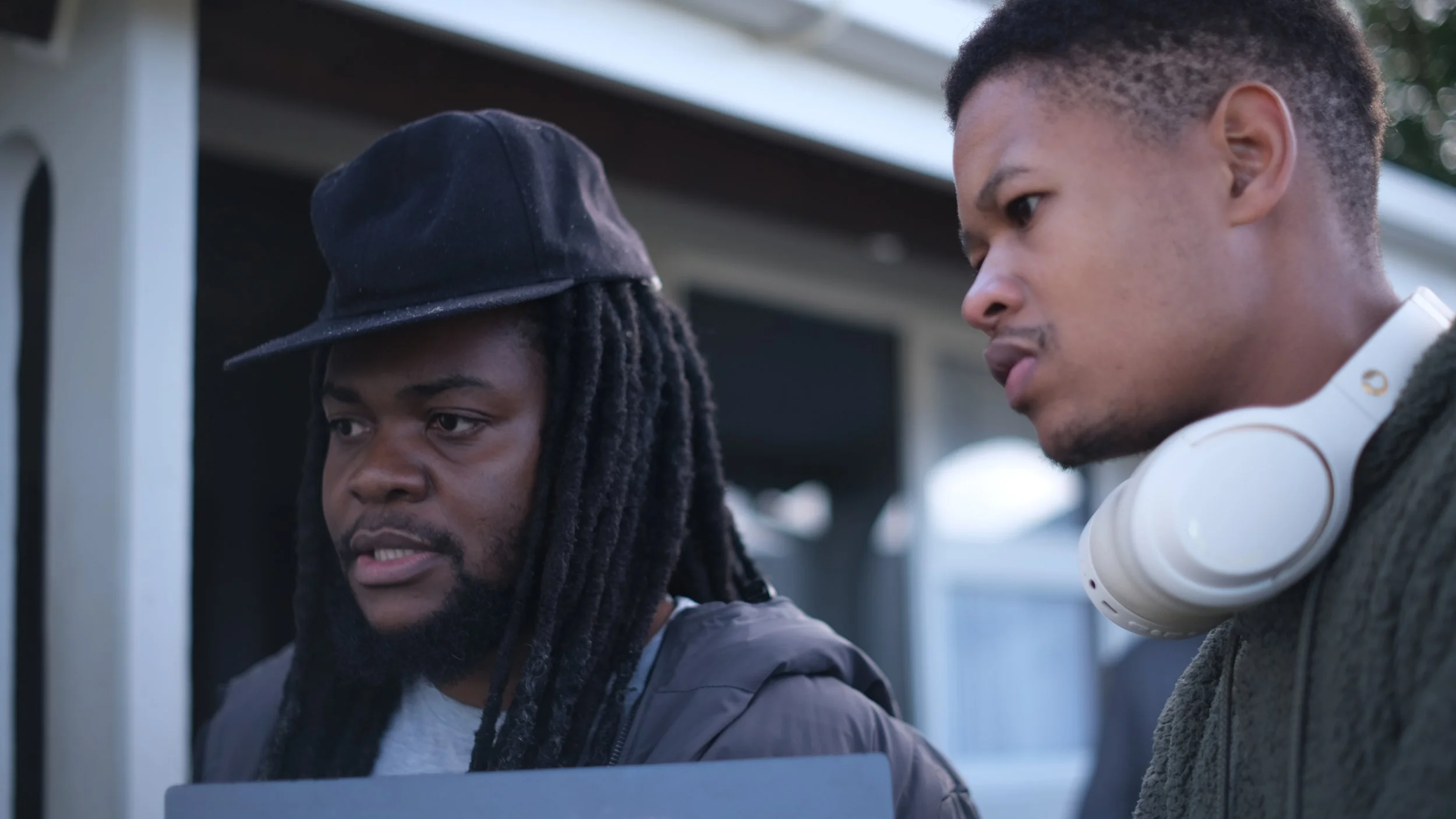
Ultimately, Siren’s call stands as a testament of the opportunities student films can offer us. When many think of them, they imagine badly shot and directed short films with flimsy audio, but Siren’s Call is nothing of the sort. Despite the financial and time limitations, the team's collaboration helped them create a piece of art which resonates. A work that prompts one to think about manipulation, identity and the quiet struggle of choosing oneself in times of hardship.
As the credits rolled and the team walked their way to the stage to speak of their creation, it became clear that this was not just a short film. Siren’s Call is more than a student film, but a reflection of the entangled mess that is our identity and the long, unforgiving journey of healing it requires. The film’s insistence on finding one's voice and choosing yourself, no matter how hard it is, is such a powerful lesson that can be taken away. It is a body of work built with courage, to explore these deeply vulnerable themes, and it was done magnificently.
Siren’s Call is available for viewing here
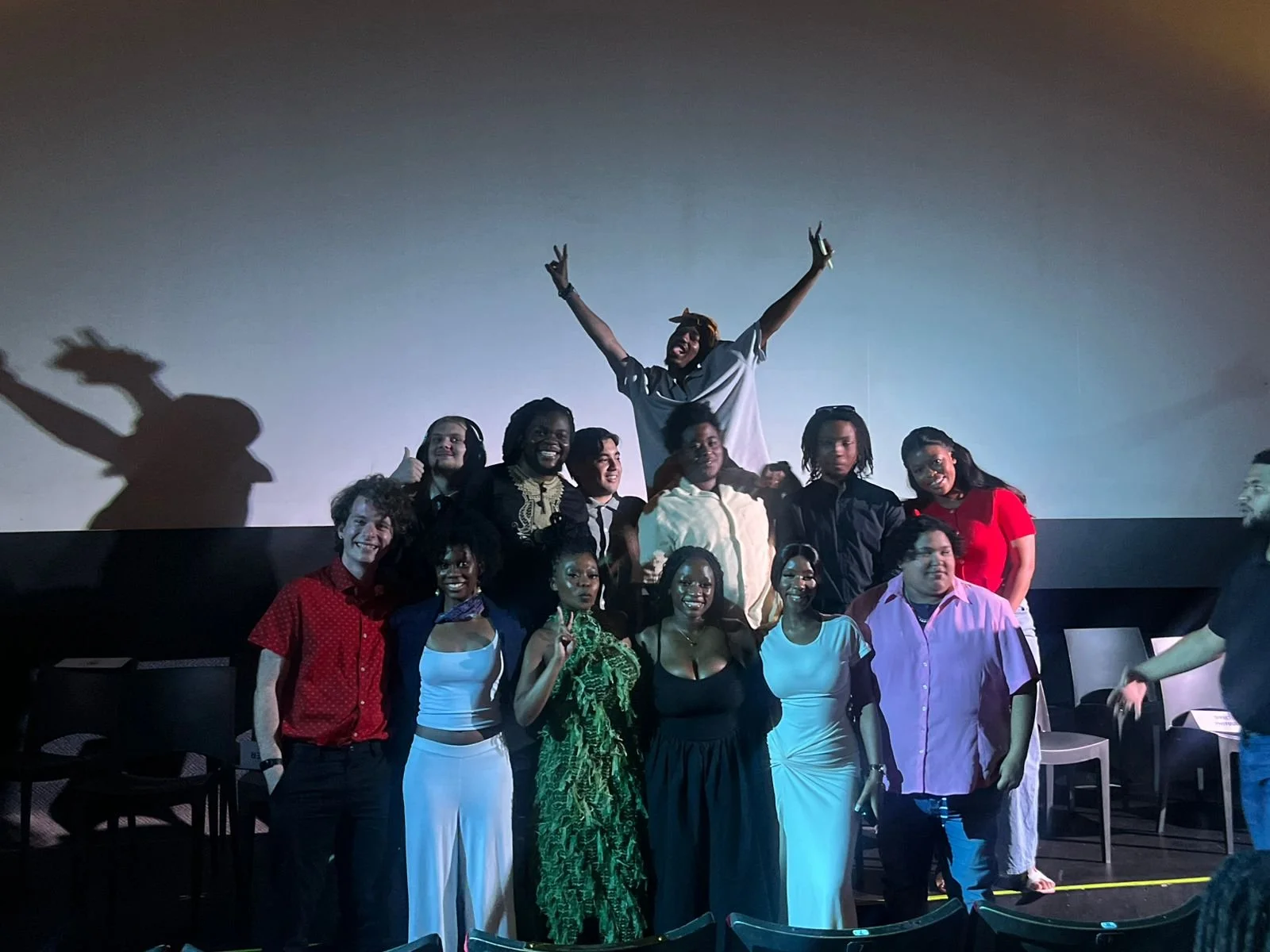
CAST
Kaia - Elizabeth-Ann Oratile Fosu
Marlon - David-John Templeton
Jakob - Matthew Greenberg
CREW
Co-director - Takunda Aaron Chimutashu [Zen ISA]
Co-director - Alex Ross
Co-producer - Tumelo Ewe Ramaphakela
Co-producer - Hlawulane Phila Hlangwane
Co-producer - Bayanda Kamusa Xulu
Writer - Imran Ahmed
Cinematographer - Kananelo James Mphana
1st Assistant Camera- Matthew Fuller
2nd Assistant Camera - Timothy Jordan Erasmus
3rd Assistant Camera - Zachary Keyster
Data Handler - Tiro Tshetlo
Editor - Zukhanye Jacobs
Visual Effects - Katie Burr
Assistant to the Editor - Katie Burr
Colourist - Ajay Kala
Sound designer - Aphiwe Skoti
Assistant Sound designer - Patrick Smith
Music Composer - Patrick Smith
Singer #1 - Katy Hallauer
Singer #2 - Lonwabo Makubalo
Makeup & styling - Zibusiso Kumalo
Costume design - Philie Wenzile Vilakazi
Production design - Tumelo Ewe Ramaphakela
1st Assistant Director - Bizo Maxegwana
2nd Assistant Director - Melissa Brink
Script Supervisor - Harry Sky Landman
Script Supervisor - Jade Jacobs