
Behind the Lights: The Mind Behind a Dystopian Student Film
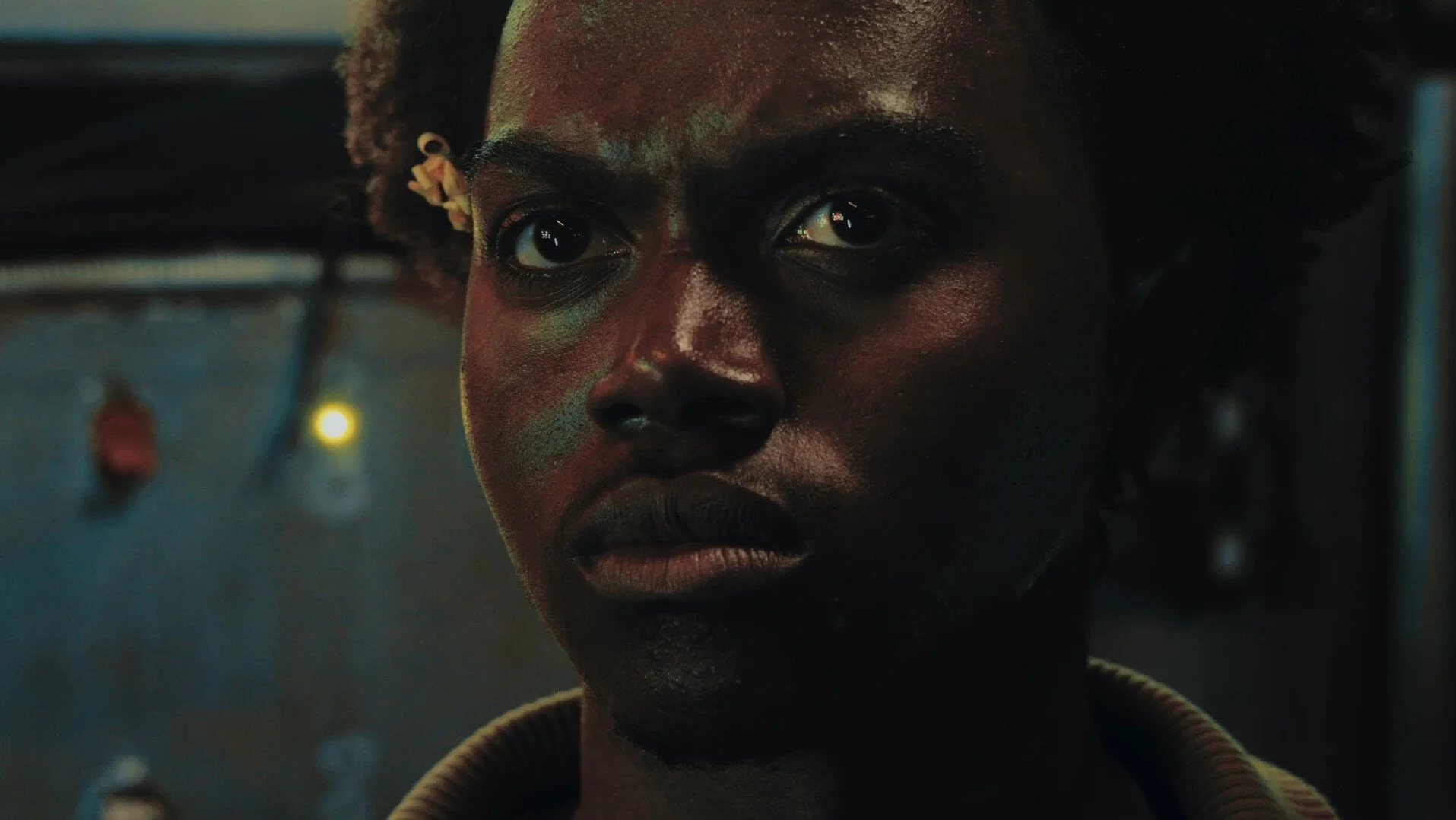
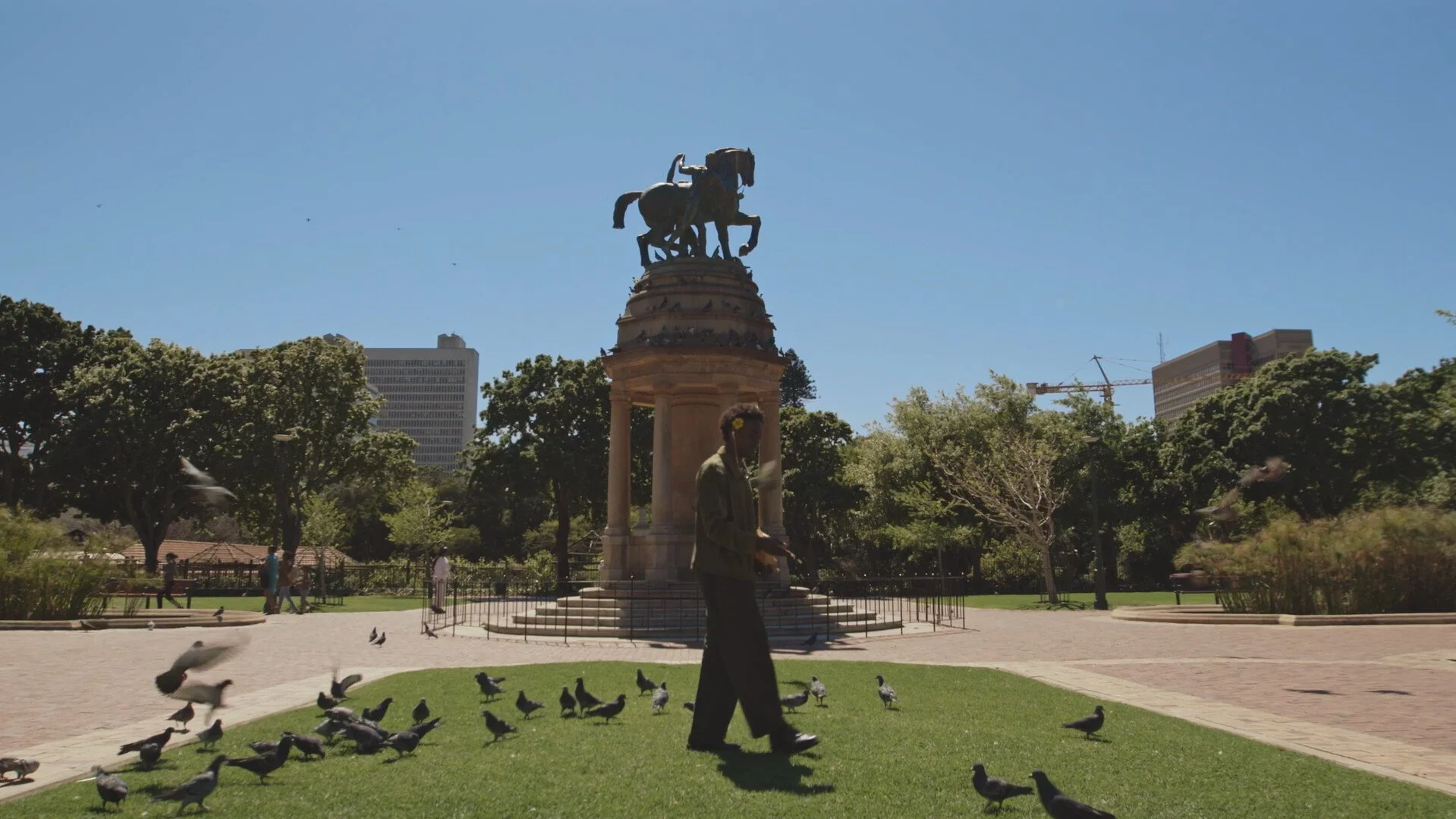
In the busy Cape Town CBD, where people live their day-to-day lives in controlled chaos, the man who controls traffic lights holds the power to change their fates. This is the premise of the dystopian student film we watched recently.
A group of UCT film students came together last year to create their student film The Man Who Controls Traffic Lights. A year later, they are submitting it to film festivals and VERVE. Ahead of festival season, we sat down with director and scriptwriter Ahmad Johardien to understand where the idea came from and their plans moving forward.
Where did the idea come from?
Johardien shared that the idea came to them when they were in high school. During their commute everyday there would be a particular light that would not work. Their frustration grew, and with it came an idea that they all thought at one point or another.
“If I controlled this traffic light, I would do it so efficiently”
What did the process of making the set look like?
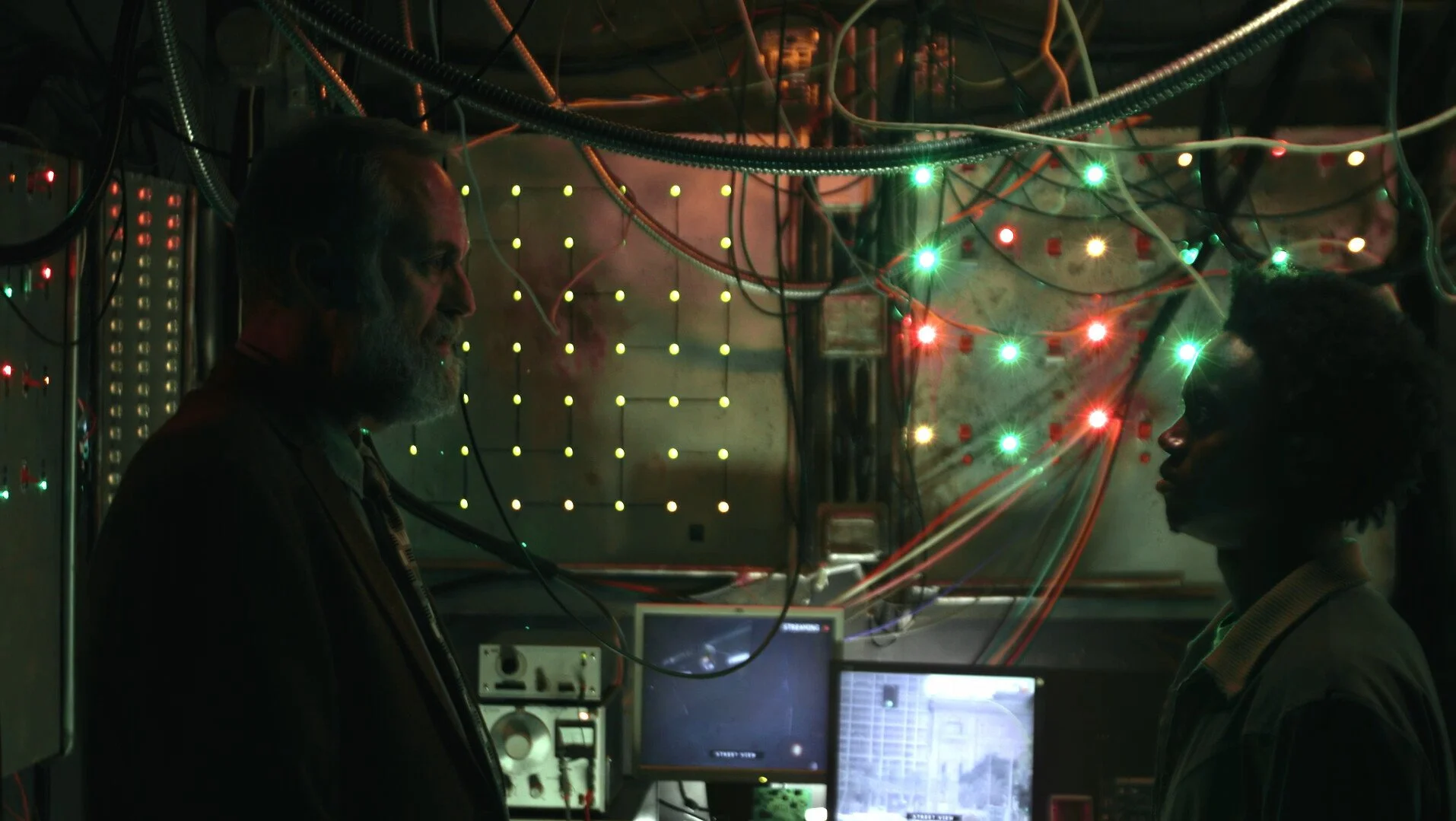
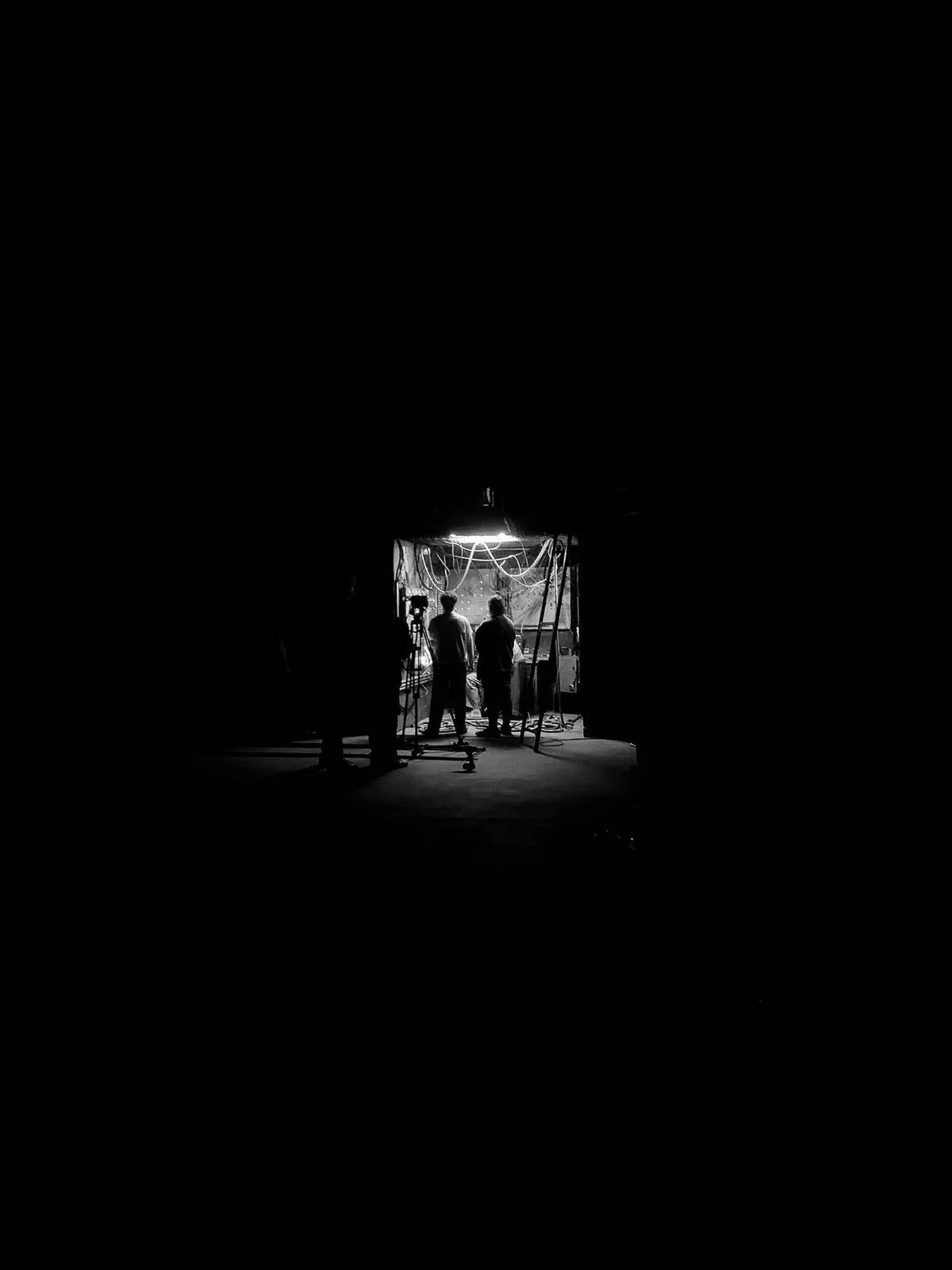
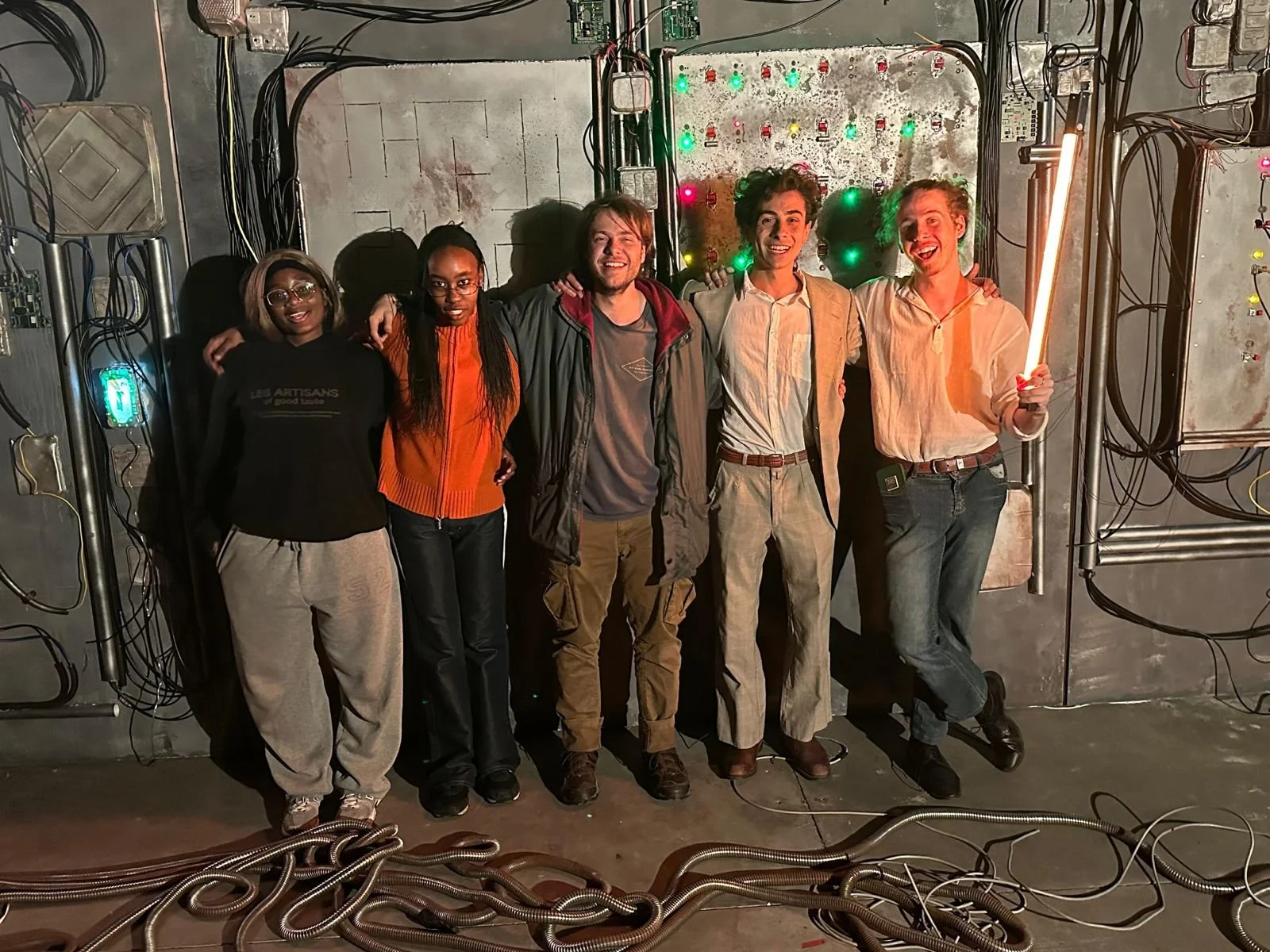
Johardien and their team dedicated time and built the set themselves. Because Johardien has a background in woodwork, they suggested that they build a room from scratch. From the walls, the lights, design, paint, and every part of the room was made. This process took them an incredible 6 months to complete, amongst other aspects like sourcing actors, filming, and rehearsing.
The scale of the project was something that none of them had ever done before, but because they had a vision, they decided to take the leap. As a result, they needed support from their families and sponsors. To get this, they made use of back-a-buddy and donations.
What challenges did you face?
“The logistical challenge of making the room took a toll on us as student filmmakers having to balance other university work”
They shared that their decision to build the room was not one that was expected, which made it especially hard. As a director, Johardien’s philosophy on directing made the project more challenging for them. As an anarchist, they don’t believe in hierarchy but rather that in projects like this, people should feel as if they’ve had collaborative discussions. They admit that this made the filming process harder, but they do accept the lessons that came with it all.
An interesting challenge Ahmad shared was that while writing the script, they found themselves impacted in a unique way. As they wrote, they felt that the story had begun controlling them, like the man controlled the lights. They knew where it was going, and it felt very predictable, so they created a moment that defied the natural progression of the story and felt free.
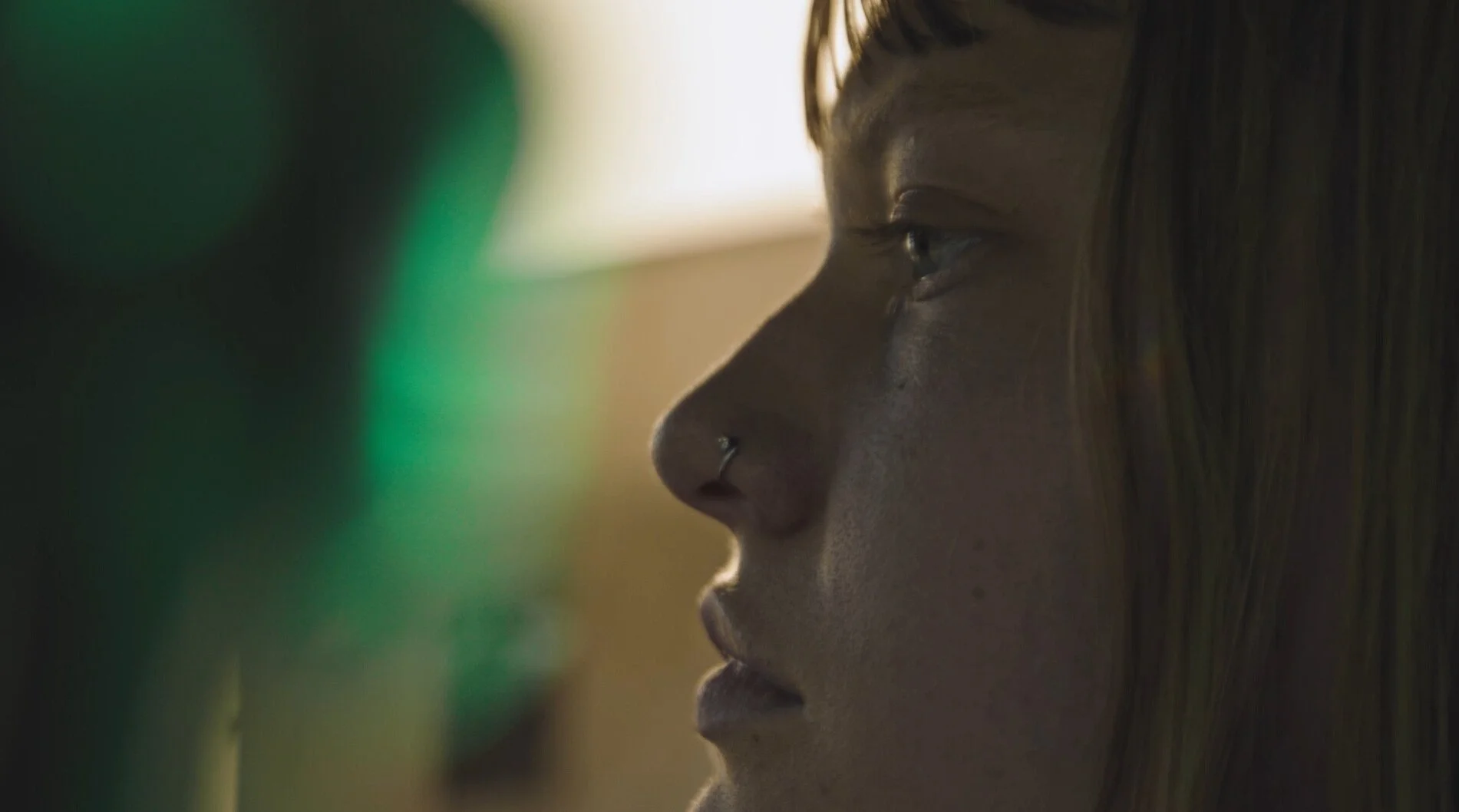
“I didn't like how pessimistic the film was turning out to be, so I needed a moment of break of control. I think it allows for much more interpretation of the film. Not just technological control but a much vaster nature of taking and consuming. The idea that one person can consume another person and make them themself”
When did your love for film begin?
Though they were not aware at the time, Johardien’s background in theatre was the foundation for their passion for films. They would write scripts for actors, but they felt the stage was too static. They realised they wanted a camera which would allow them to have a more dynamic relationship with their scenes. Film has the power of visuals, sound, writing, sculpture, and sets, and that is what drew them towards it.
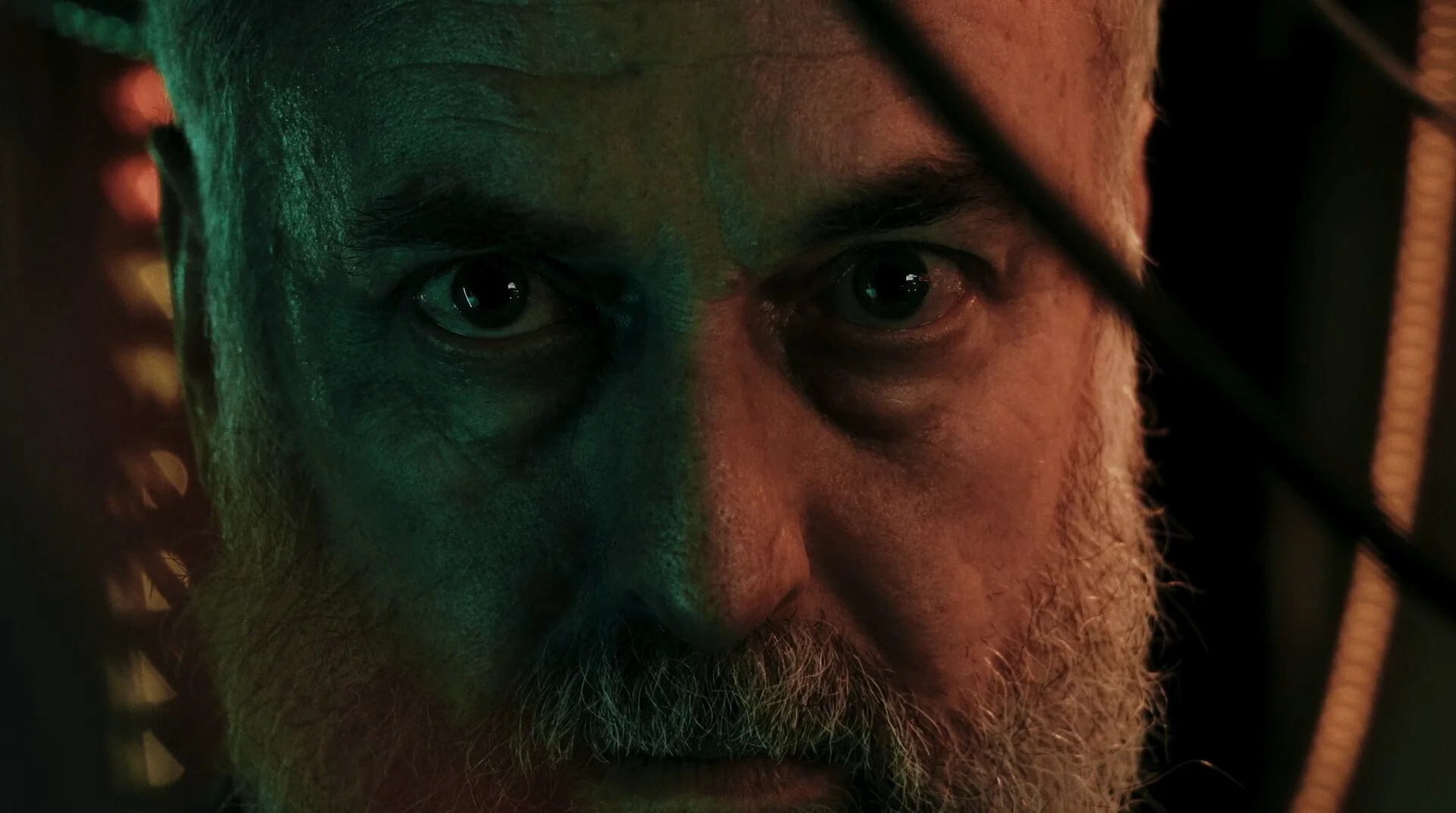
Ironically, it became important for this very film because the main actor was played by their high school drama teacher.
What are your thoughts on the South African film landscape?
As a person with a biracial background, Johardien shares that from their perspective, the film industry in South Africa focuses quite a lot on making stories South African. They don't align with this wholly, stating that they prefer to write and give energy to stories that are more universal.
“My dad is from Cape Town, but my mother is from Spain, and I feel that I am trying to draw these different parallels together and draw different worlds together. So I’m not really focused on what the South African story is”
They elaborated, saying they felt this lens is stifling for ideas that fall out of the realm of a clear South African angle. Their opinion is that a story does not need to be obviously South African to be South African, further explaining that the goal should be allowing filmmakers to make what they want without needing to export the South African brand.
What are the plans with the film moving forward?
“At the end of the day, I just want as many people as possible to see the film. And eventually, once we’ve sent it through to festivals, make it completely wildly available. I think my main goal is: I saw a practice of myth-making.
I’m trying to bring back the magic of myth storytelling where, in the past, when someone told a mythical story, there were no questions about whether or not it’s true.
You’d just accept that there was magic in the world. I want for when people watch, and they’re late, they can say ‘ the man who controls traffic lights made me late today’. That’s the practice I’m engaging in.
Forget about scientific truth; what is at the essence of humans and what kind of stories show that is what I want”
Cast
Patrick Jordi (@imaginationpj) - Herbert
Malik Chiconela Santana (@thatpak) - Obyn
Jem Weiss (@jamwiise) - The Driver
Crew
Ahmad Johardien - Director
Kgabo Badimo (itss.kgabo)- Production Coordinator & Sound Designer
Jonathan Inglis (@jojosph0tos) - Cinemaographer
Zawadi Waweru (@zawi_w_) - Sound Designer & Music Composer
Zenith Phaal (@zenithphaal) - Editor & Production Designer