Between Service - Culture on a plate
I’ve been thinking about the Cape Town food scene a lot recently. Maybe it’s a personal bias, but I fell like things are changing around us and we aren’t noticing - kind of like the analogy about putting a frog in warm water and bring it up to the boil. We’re getting cooked and we can’t even feel it happening.
But there is hope for us yet. The pop-up scene seems to be going through somewhat of a resurgence, and as the resident chef at VERVE I felt it’s my responsibility to stay tapped in to the new new, and tell you guys what’s happening on the ground.
After running into one of my classmates from chef school and hearing about Between Service - well I just had to set an interview up with the team
So to start, let's go around the table and tell everyone who you are, and what Between Service is.
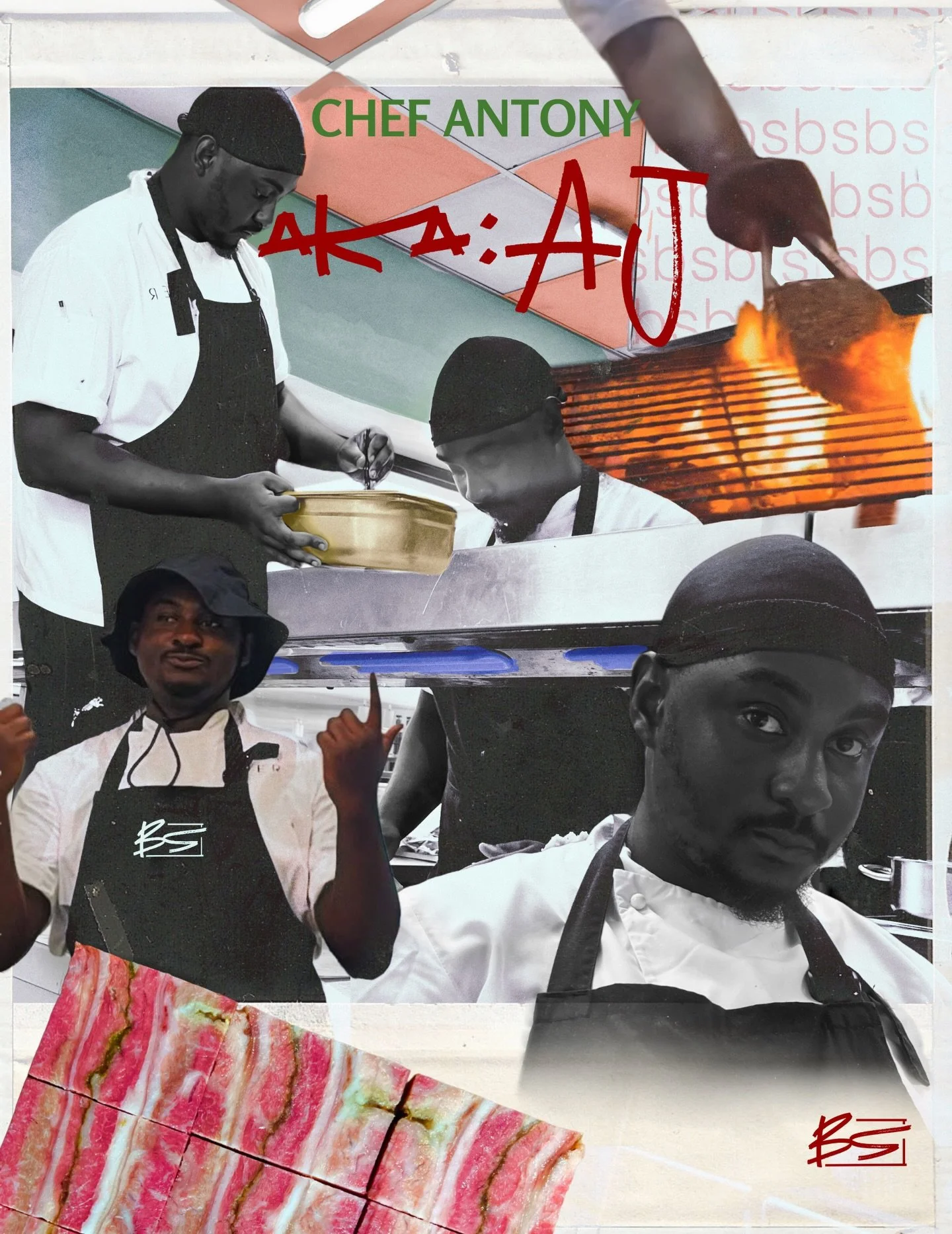
Antony Machado: So I'm Antony. I went to SA Chef’s Academy in ‘23 after which I got an internship at Pier, and I've stuck there. I love the environment, it’s one you can grow in and develop yourself further. So, basically, I met up with Ronin there, X was working downstairs at Waterside, and over time, we've been chatting about getting together and doing something on the side, maybe a catering function or something.
The idea for Between Service started I guess when we were chilling at a garage after work just chopping it up. And ideas just started flowing. So we started jotting down ideas, sending each other things, until eventually we started doing some R&D - and the R&D was banging.
We did a couple functions and stuff, but then we were like, “Nah, let's actually show them what we got.”
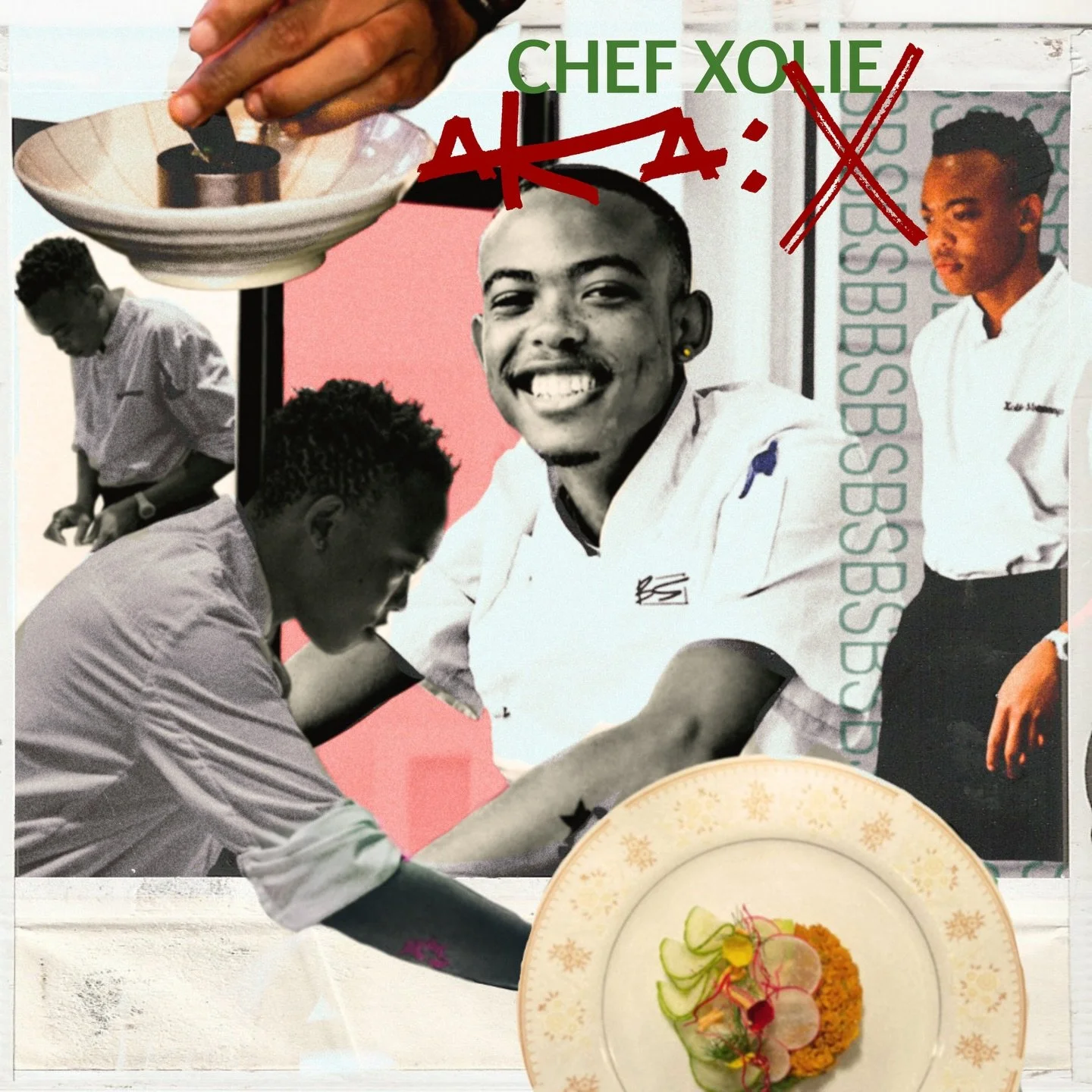
Xolile Msimanga: X here, or Xoli - Full name is Xolile. I went to chef school in 2017/2018. After school I went to America for like a year to do my internship in Colorado, and then when I came back I worked at Test Kitchen. And then I left, Test closed down, and we went to Joburg to open up Test Kitchen Carbon. Then I left Chef Ebi, and when I came back I worked at Silo for a bit. So I know a little bit of the hotel side, a little of the restaurant side.
I understand now how hotels work and why people are in the background, but I just felt too much in the background in the hotel - not to talk trash about the hotel industry, but, you're not really seen in a hotel, when you compare it to a restaurant.
So then when I went back to restaurants I worked at Waterside, which was where I met the boys. I used to go upstairs and greet the homies every day, and were chilling together, until eventually I got this call from Ronin saying “Yo, we're doing Between Service, brother, man. we want you in.”
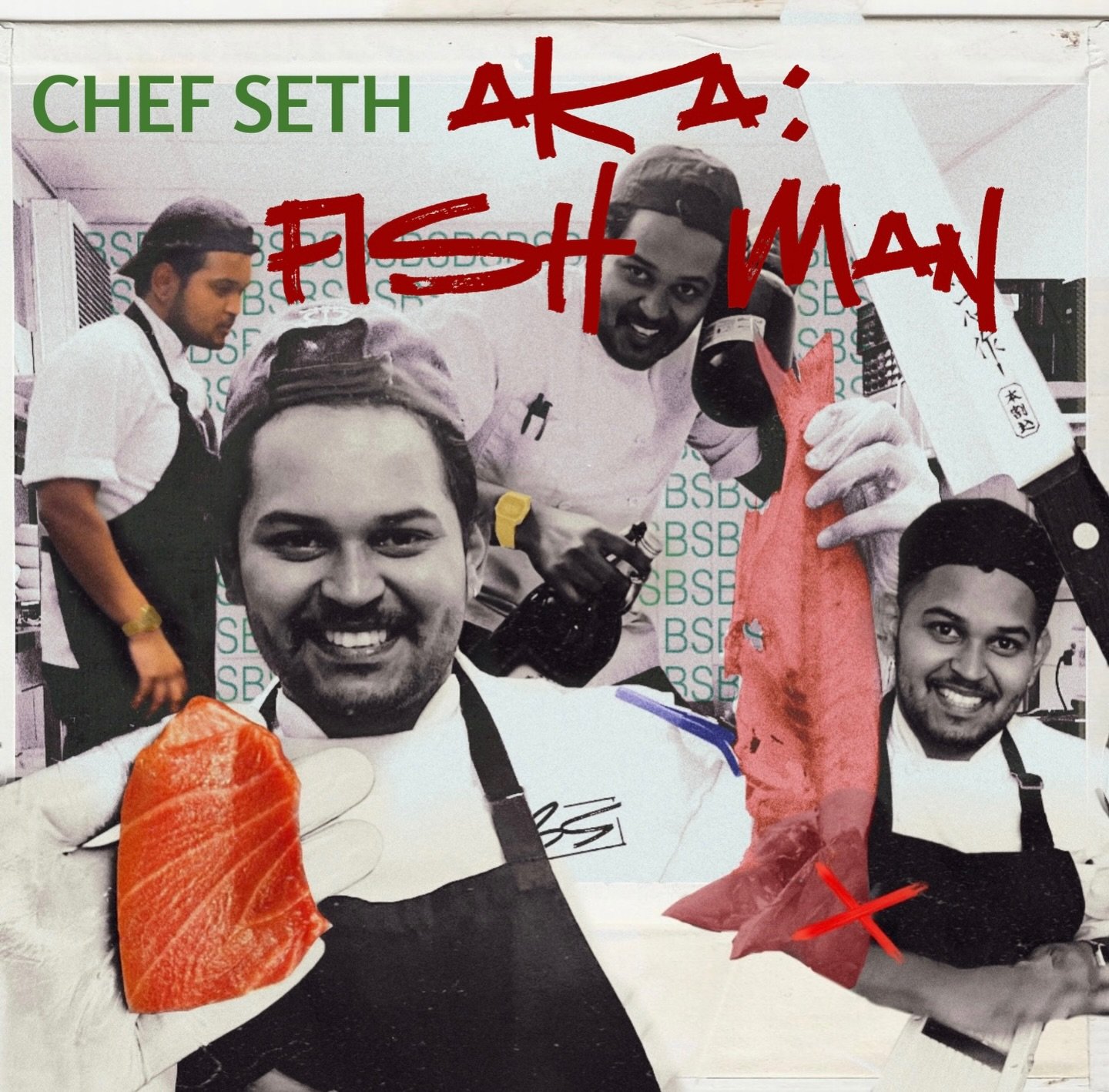
Seth Walbrugh: My name is Seth, and I’m a CDP at La Colombe. Between Service is just us finding a way to get out of the structure of cooking the same shit every day. It’s allowing us to be as free and creative as we want to be, and to express ourselves, outside of the kitchen, through food.
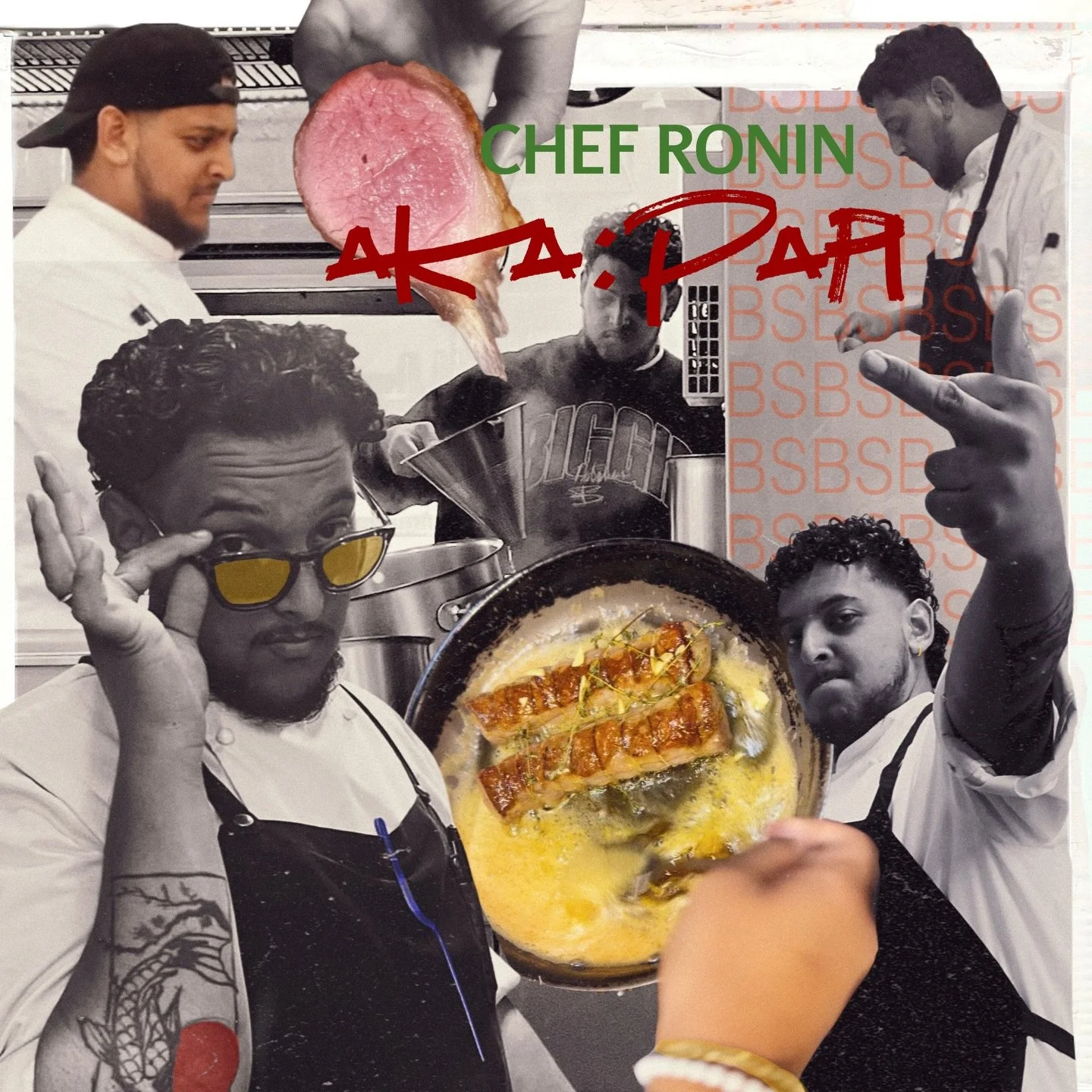
Ronin Henry: If I were to start from the very beginning, my life was always centered around art, basically. My brother opened up Side Wing in like 2017 - he had also studied at SA Chef’s Academy back in like 2011 or so. When he started his own thing we took over my mother's garage selling wings and chips. I remember walking in fresh from rugby practice, running into my joint, taking my top off, dropping the chips - intense shit.
I've always been a food network kid watching all these series. Obviously my brother's a big inspiration. And then after high school, I really wanted to get into food. But when it was my time to cause trouble on the scene, the scene was shutting down. It was like the 1st year of COVID.
I saw how the restaurants were closing down, how the world and the food industry was just changing, and then just to make that secure decision, I decided to go to Cape Town Creative Academy. So I studied digital design, and graphic design there for like a year. And when I tell you, I never put pen to paper once, I genuinely didn't. And that was like, true hell for me, because I was always more of a physical artist.
The day I dropped out of Cape Town Creative Academy was the day I walked into SA Chef’s Academy. After that I got the internship at Pier and decided to stick with that. Because I always missed that bit of art that I used to have in like that past life and when you think of art and food, you think of fine dining - when it comes to relaying that art. through flavours, or how the food is plated. So I really enjoyed that. I’ve climbed up the ranks there over the past 3, 4 years now.
So yeah I met Anthony and we immediately hit it off and decided to start Between Service.
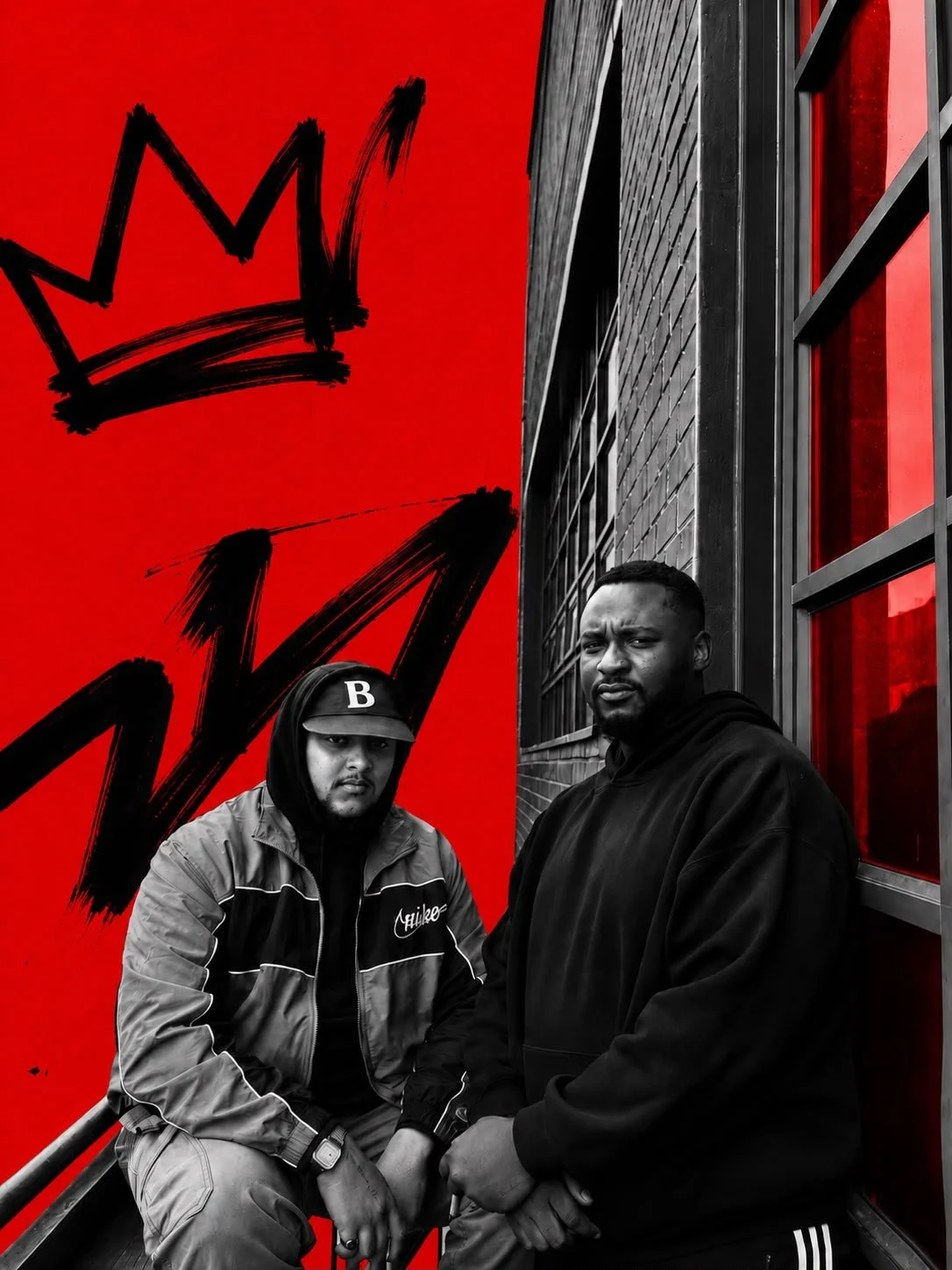
Pretty much all of us are, I'd like to say CapeTonian, but we have our roots so we want to showcase that as much as we can. And if you were to look at BS our whole theme is to be centred around culture. Around SA culture, around Cape Town culture - culture in general.
We're tapping into art, we're tapping into music, we're tapping into food, and if you look throughout history, the one thing that brings people together is food. So that's like a big starting point for the boys.
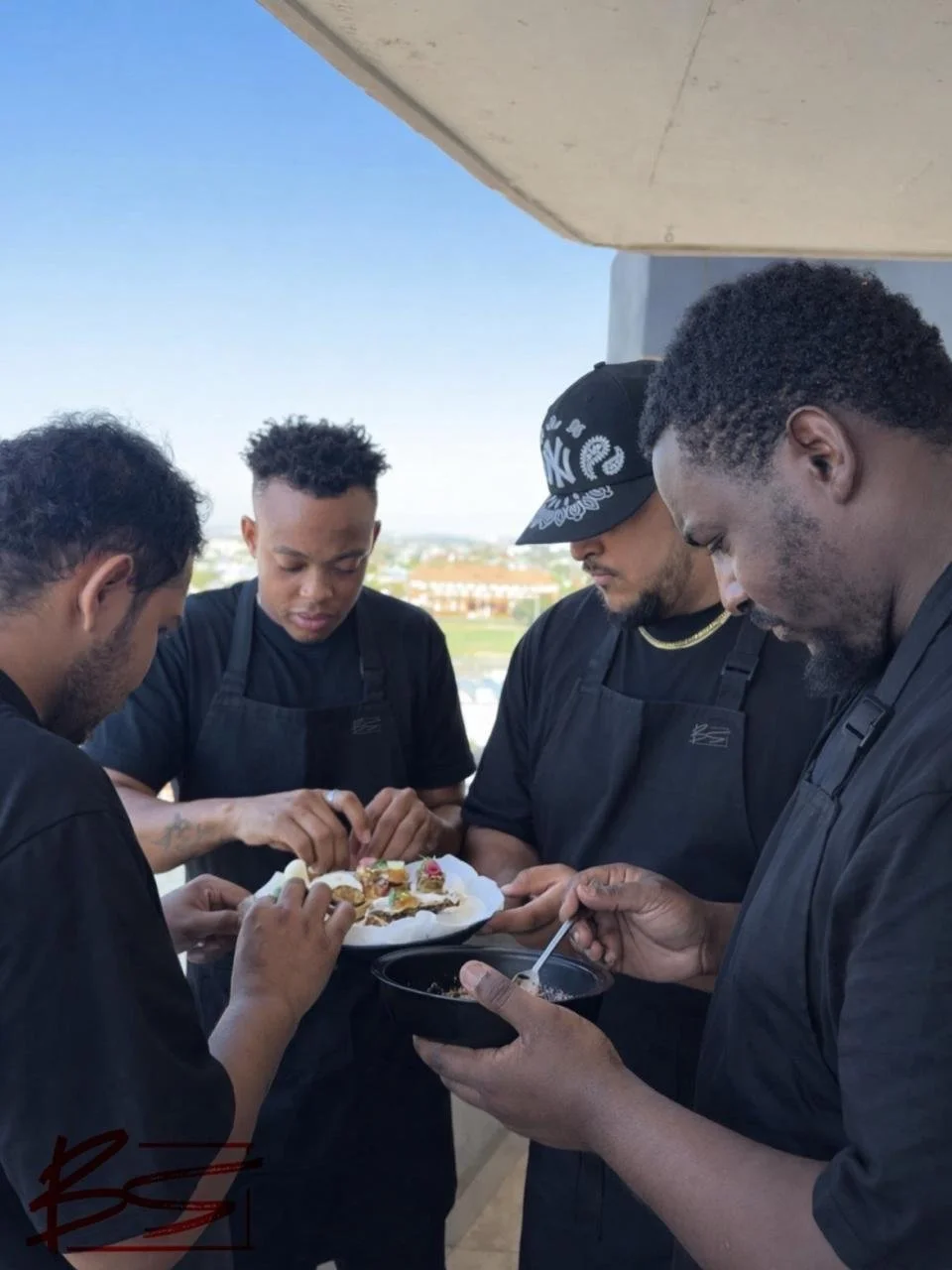
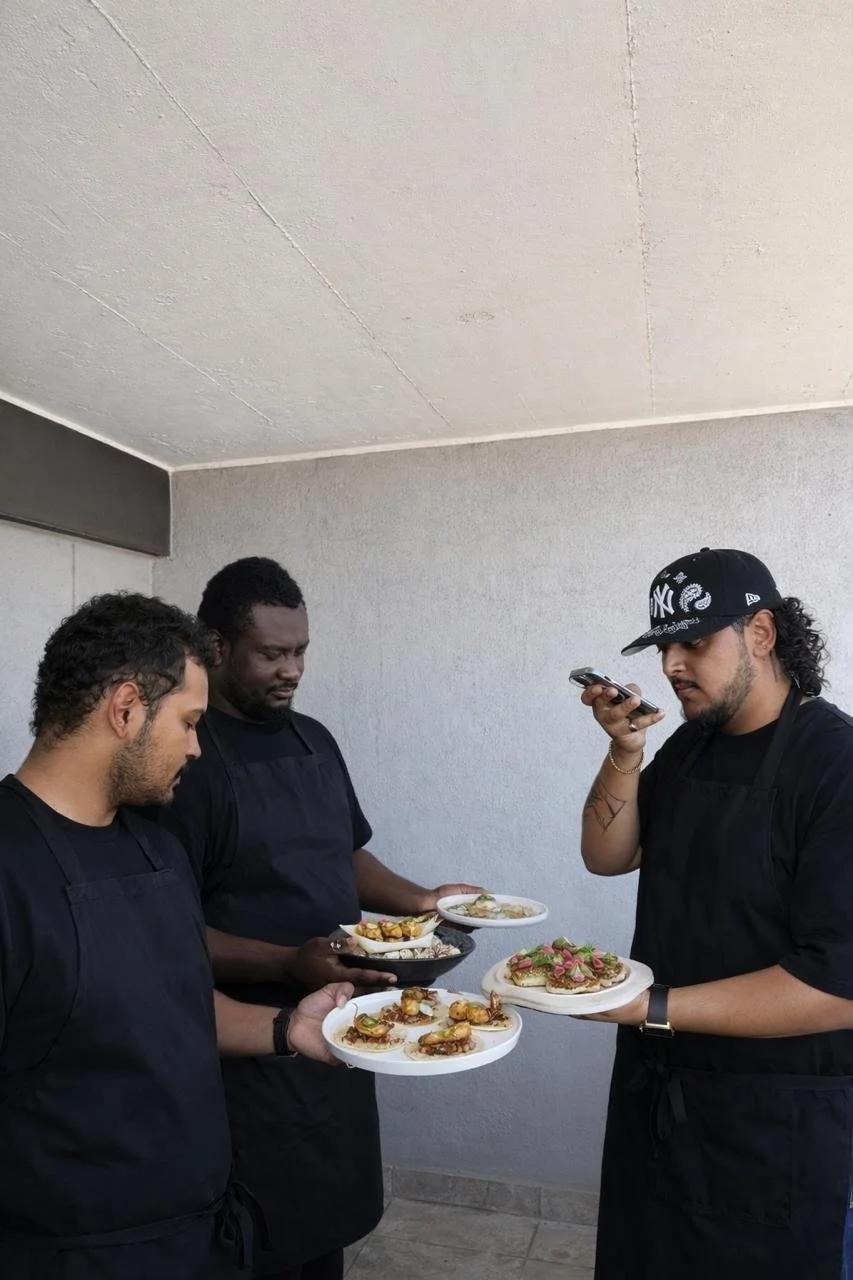
Between the 4 of us, we are relatively new to the scene, but between all of us, we have a good, 20 plus years of fine dining experience.
We want to bring that niche forward and to the people. It may not be fine dining plated, but it's definitely bringing those flavour aspects. We aren't here to chase stars or reviews or anything like that, we just want to showcase ourselves, how we combine flavours, how we put things on a plate.
I think then my first question would be, what is culture?
Ronin: For me, culture isn't just a thing that you find in books. It's not stories that are told through your family. Culture is love. Culture is what draws people together. Yeah, at some point, culture is what separates a lot of us. But culture is definitely what can bring people together.
So if you're looking at culture, we're looking at how this tastes on your palate, what does this remind you of in terms of food. I think for all of us, we all know what a hot snoek on a braai tastes like - you know the one with that apricot glaze. It may sound funny to some people that you're putting jam on a fish. But that jam with garlic and a little bit of chilli - It's something that's within us. It's the taste, the smells, it's the connections, it's the long lost music. It's everything
Xolile: I'd say culture from my side, I'd say it's a bit of both. It's like a pass down through every single person. Like Ronin, you and your family, you’re rich on, like, curries and snoek. I don't have any culture like that because I'm from the Free State, and we don't have any snoek, because we don’t have the same access to seafood.
But what we do have is pumpkin. Every single weekend, every single winter there's pumpkin. So my grandmother, and a lot of grandmothers on that side, they make pumpkin cakes.
It's just a blend of fine dining and combining everyone together. Combine that Cape Malay culture with what I know from back in the Free State - that’s us bringing the people together, and that’s what culture is to me.
Like you come with your stuff. It's your culture, it's beautiful and it’s rich. I brought mine and it's beautiful and rich. Whether it’s painting, or art, or anything
Seth: I think culture is what shapes you as a person growing up - it’s your background, it gives you identity, it gives you a sense of home essentially. Everyone can trace their culture back through food essentially. So it’s a really good way of looking at what Between Service is trying to do, because our whole concept is bringing people together through culture.
Ant: Personally, I would say I've experienced a lot of culture shifts. My roots are Mozambican, and I grew up in Zim. My grandfather was a small scale farmer so I was always around the farm.
I remember the 1st time we got a little Asian restaurant that was close by and they were looking for bok choy but it wasn't around. Grandad was like, you know what? Give us 3 months - we'll get it for you.
That’s when I realised that there was a whole other cuisine that people were looking for which wasn’t there. I also grew up watching Food Network and the like, which is how I became interested in wider cultures and other types of cuisines.
I guess the question I asked myself was “Why don't we also start eating it and see what they're appreciating from it?” So it's like a fusion of a lot of things for me, to be honest.
I will say that I was fortunate to be in a position where I got to experience a lot of different things - like those Mopane worms that the Venda eat. I learned that I’m allergic to them, but I did try eating them. I wanted to appreciate what they're really looking for. Even now if you ask a Venda person in Cape Town when last they’ve had mopane worms they’ll say “Don't even mention it dude, because it's been ages”
That’s when I say let's get it for you. Let's bring it for you. Let's bring your culture closer. Let's give you a taste of home. Because there's many people that haven't touched their roots in a while. So it's just like giving a glimpse of your childhood. So that's culture for me, just like bringing everyone back together to where it all started.
Ronin: And I think if I was to just put like a note on that, I think that's one thing that makes BS special. We've got 4 chefs that are a united team with our own individual backgrounds, but knowing the same techniques and the same flavours is what pushes BS further.
Although with this 1st pop-up, it's not necessarily a whole culture-based endeavour. It's more so that we want to put things on a plate that showcase all the ideas we’ve had throughout the years.
Given your various cultural backgrounds and having worked in fine dining for the past few years, what would you say are the fundamentals you’ve taken from the industry that has informed and influenced your life?
Ronin: Method is one of the highest fundamentals I've taken back from my cooking experience over these past 5 years. Like, the fact that we all know that onions are the base. The onions go in first and right before you add the liquids, you put the garlic in so it doesn't burn. You know what I mean? And that the liquid is there to deglaze that pot. It's all about the method.
Especially when I knew how to make food from my upbringing. When I first stepped into industry or even chef school and I saw a guy teaching us how to make a classic French sauce, and his first steps were throwing butter and flour into the pot - I was like bru, this is a cheese sauce, you know what I mean? I put that on my cauliflower every Sunday.
Everything has a method, whether you like it or not. We may be doing a braising liquid with this red wine and all these aromatics and you put your lamb shoulder in it and you braise it overnight in 95 degrees - if I was to look at it, you're throwing all of your onions, your automatics, your red wine, and then your meat, covering with water, that s a potjie bru
Although the French may say it's their classic techniques, it's all tied into culture. That method was used in old cultural cooking throughout history. And whether it's written in this book or in this part of history, at the end of the day, it's what ties food together - it's definitely method.
Seth: For me there are two. The first is that you never stop learning - even someone under you can teach you a new way to do something. You should never be too arrogant to take advice.
The second is that I like friendly competition. For example Ronin and myself started at the same time in the same position. He always used to come in early so one day I told myself “I also wanna come in early and graft like that”. You walk past someone cutting chives and you can’t help but ask them “Are you happy with those chives?”
Ant: I’d say my fundamental is time. I used to play rugby at school, and my life was ruled by the calendar - this is the time for preseason,there was off-season but I knew I needed to get my fitness back at a certain point of the year.
And as I got into the kitchen, I realised how essential time is. You have days when you are behind on prep and when you look at the clock it's already 12 o clock - that dish has to go out regardless. So on a personal level, it's helped me even in my day-to-day life, like, just keeping track of everything, having everything on schedule - I hate being late.
What’s your opinion of Cape Town’s food scene - specifically pre-COVID vs post-COVID?
Ronin: Yoh, that’s a deep one. I think prices definitely. I was speaking to Anthony about it in the week, I remember my brother and I going to Spur and you could be chowing as much as you can for like a couple hundred bucks, but now you’re getting 600gr ribs for like R500.
Other than that, Cape Town’s food scene is leaning into showcasing other cultural cuisines. A lot of the spots popping up recently have been international cuisine, and there isn't a lot showcasing our own flavors. I mean you aren't going to eat a gatsby every day of your life, but besides the staples like Golden Dish and Aneesa’s and the spots doing traditional Cape Malay foods, the past 15 spots that have opened up are either a smash burger palace, an Asian cuisine, or some sort of Mexican spot. Although some places may not like it, and some people may think these flavours aren’t the best, one thing we do within the fine dining scene especially at Pier is showcasing these local flavours and still keeping it on the menu. Like we do a curry butter which is the main focus of the dish. So there are spots out there showcasing these things, but we feel that that isn't enough of them.
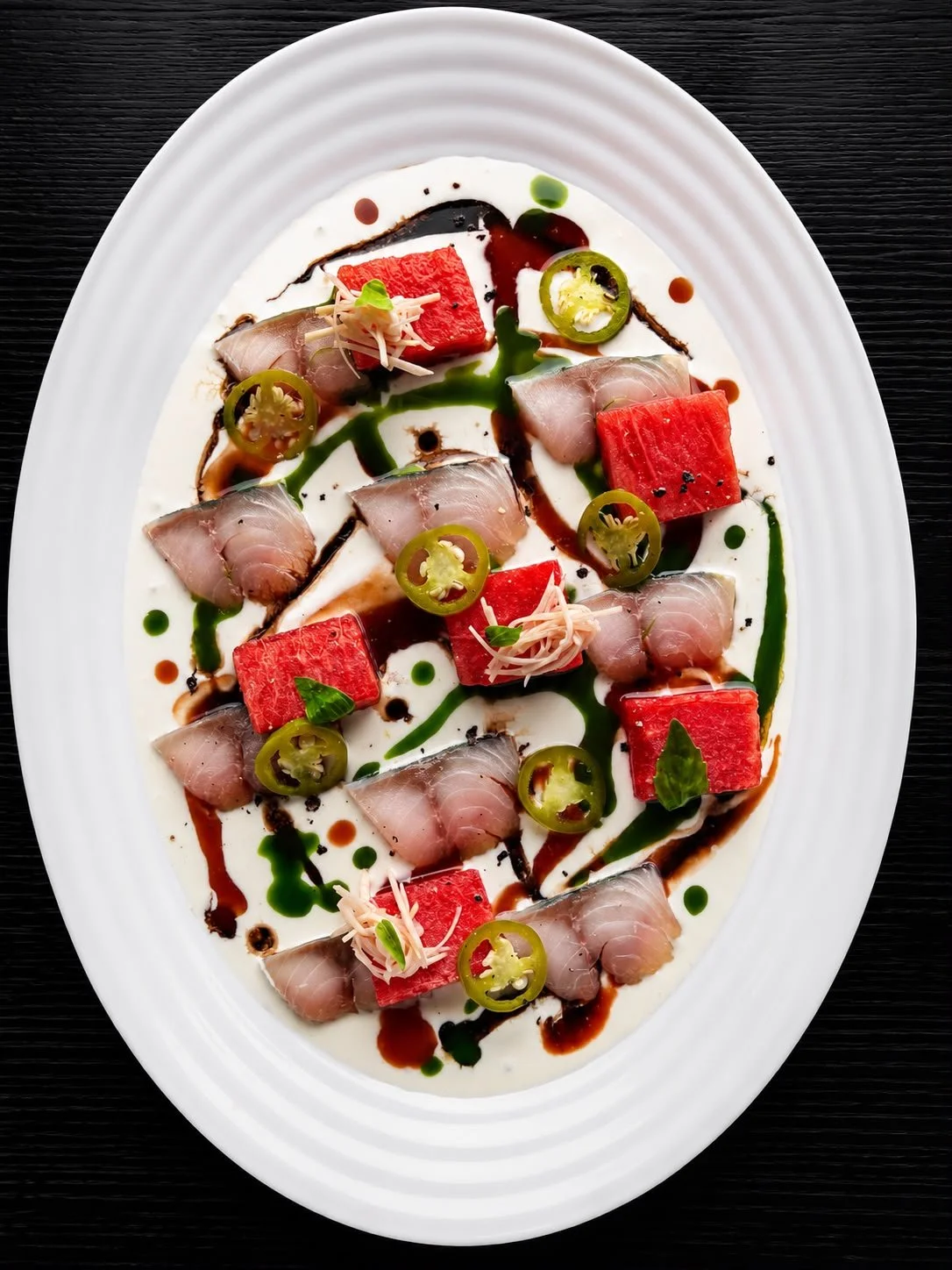
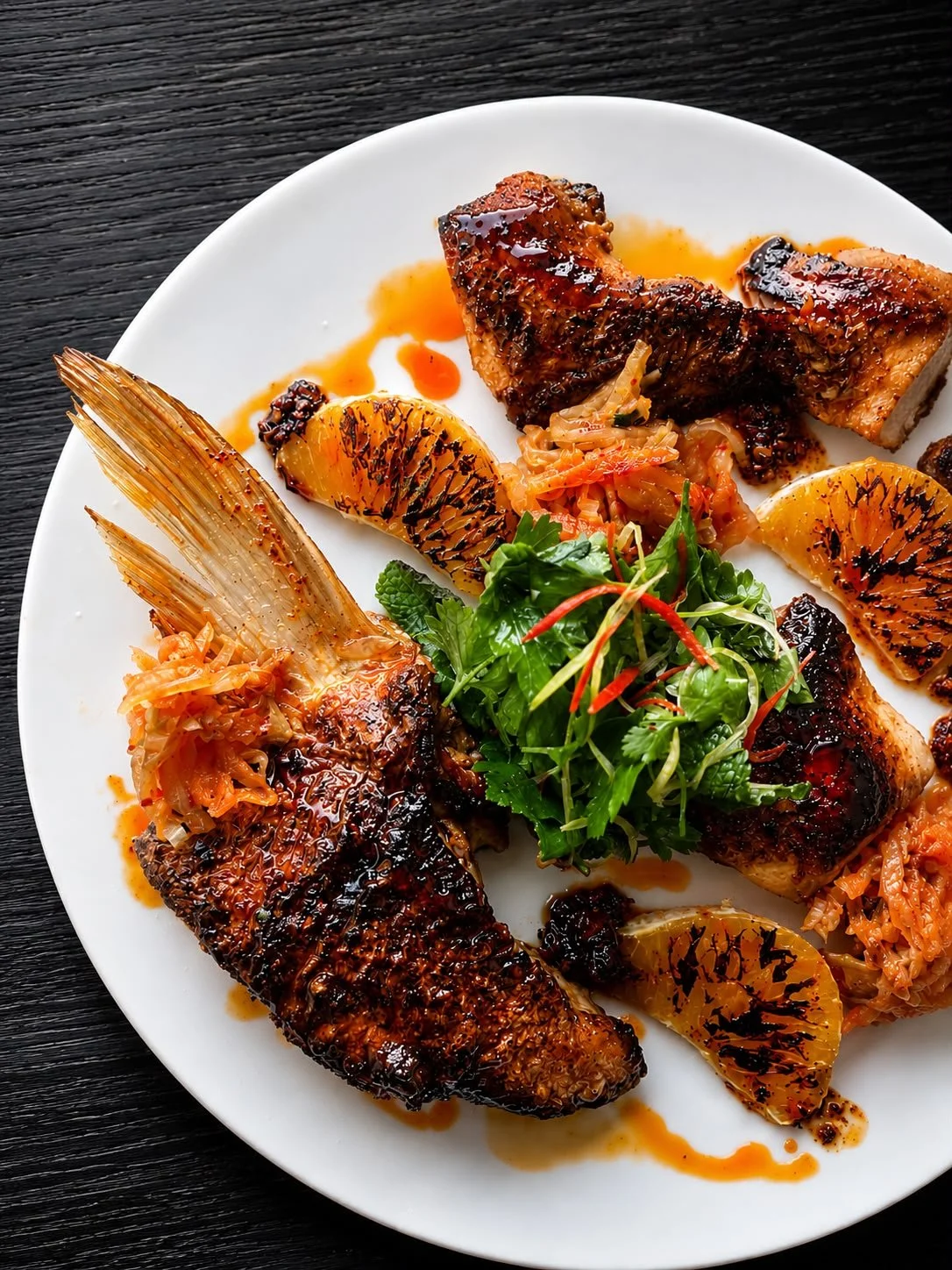
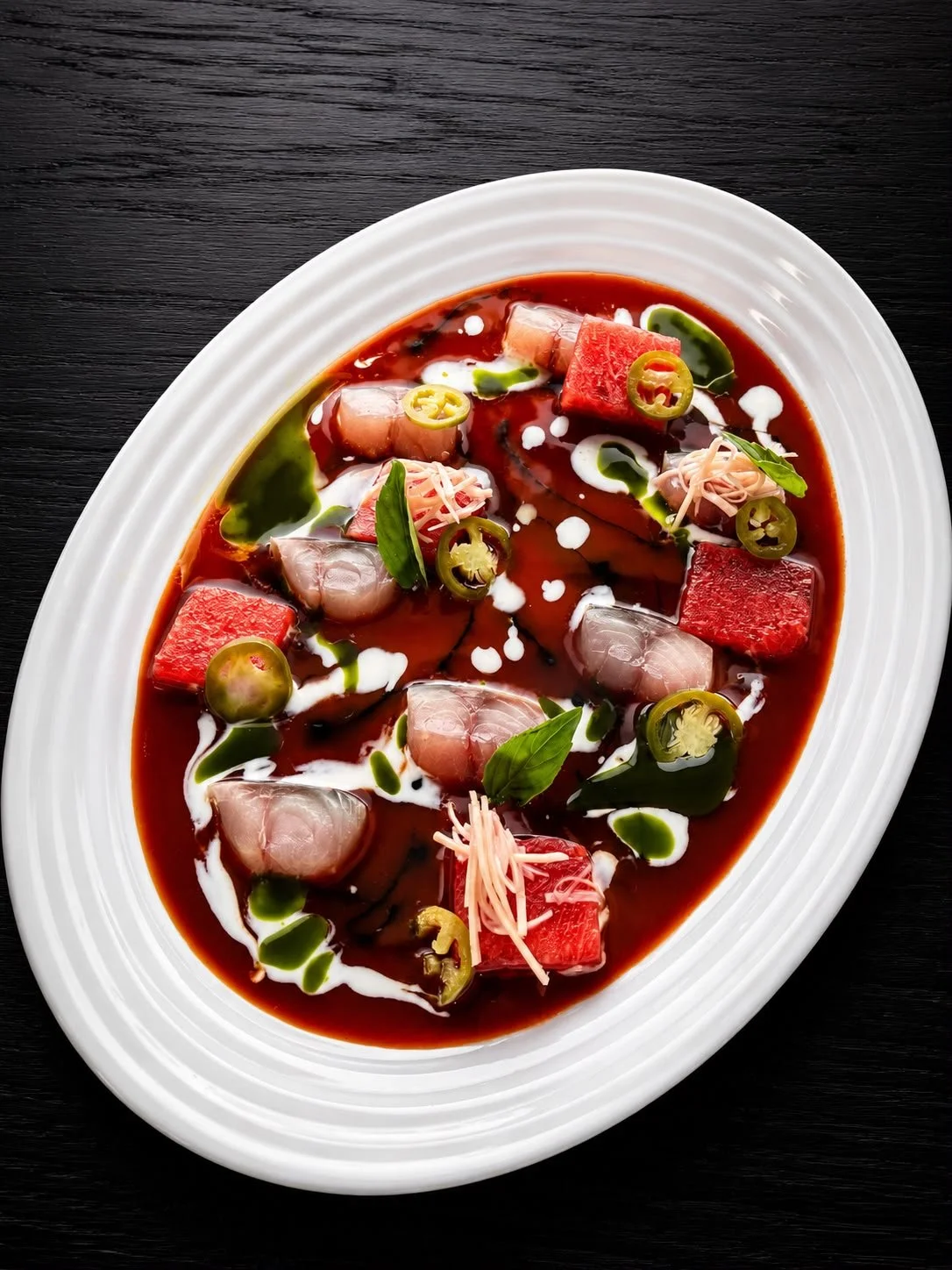
That’s what we want to do, is showcase our own background. One of the first dishes we developed was a tuna dish with a biltong XO, a mebos labneh, a chutney gel - those 3 elements scream ‘Cape Town’. I would really like to see more restaurants like that in Cape Town, and I think the only one I can think of is Urchin who are doing a whole journey around South Africa. If I was to put our cuisine out there with the rest of the world, I definitely think we have something to say.
Xolile: What I want people to remember is that we’re very rich in history - it’s just that it's hidden. When people were brought here from all over the world and people brought their own flavours and spices from all over the world, that laid the roots for the Cape Malay flavours that we know today. And that’s what needs to be shown.
Ant: I’m gonna take this one to the Kasi actually. I didn’t experience pre-COVID Cape Town, but you can see how people adjusted to it. I know a corner where nothing was happening but now they’re selling their cow’s head, their sheep’s head, they have mpengu - these guys grew up eating inyama enhloko and now they don't have it here, so they brought it to the kasi. Because not everyone has a chance to go home for the ceremonies, so they started doing it there because everyone wants a taste of home. It’s not even that things are changing, it's that things are evolving.
So to finish off, what can people expect from this Friday?
Ronin: It's a showcase of Between Service. It’s a showcase of flavours that we’ve tried, flavours that we’ve trusted. It’s not just something you can get everywhere. It’ll be something that you recognise, something which is home to someone, but in a different way. It’s almost like pulling up to your house on a Saturday night after the jol but it's now a double-story house not a single-story. It’s what you know and trust but it's new, it's elevated, it's something different.
Don’t come here if you’re looking for ribs and onion rings, or if you’re looking for smash burgers or tacos. Come through if you’re for something different, if you’re looking for something new, if you’re looking for something tasty - come through to Between Service.
Xolile: It’s like togetherness. Come through and you’re gonna meet so many different people - and they all reside in Cape Town. Different cultures, different people, different colour hair, whatever. It's just togetherness. We’re creating something so that you can eat and talk to people and find a new community. These are new people, this is new food, but it's good people and good food, good wine - come and enjoy.
Anthony: We’re giving people what we want to eat. What tastes good for me? Does it taste good for me? Yes! Then try it. If you don't like it then las it.
I love that. I’m so tired of people asking me what my favourite thing to cook is.
Ronin: Which I also don't understand, because you never ask a barber what their favourite hair cut is to do? (laughter)
Anthony: Ja they gonna say chiskop one time!
If your Friday night plans are as yet undecided, swing past Makers Landing this evening to discover what young chefs do between service. Its guaranteed to be a culinary experience of note.
Also give the boys a follow on Instagram to stay tuned for their next pop up - who knows, their might even be a VERVE x BS collab in the works