Taking back the block with Energy 018
Festive has been in full swing in Cape Town for a couple weeks now, and as ever we have been spoilt for choice. The streets are buzzing, the people are moving, and the city is doing its summer best.
As we complete the circuit and ring in the new year as we only know how, what better way to do it by championing a cause that VERVE breathes, and supporting local cultural initiatives?
A couple weeks ago we had a chat with Nana Anazodo from Airy Collective and Maxwell Adjavon from iMullar about Energy 018, the Gqom takeover happening at Texas on January 3rd
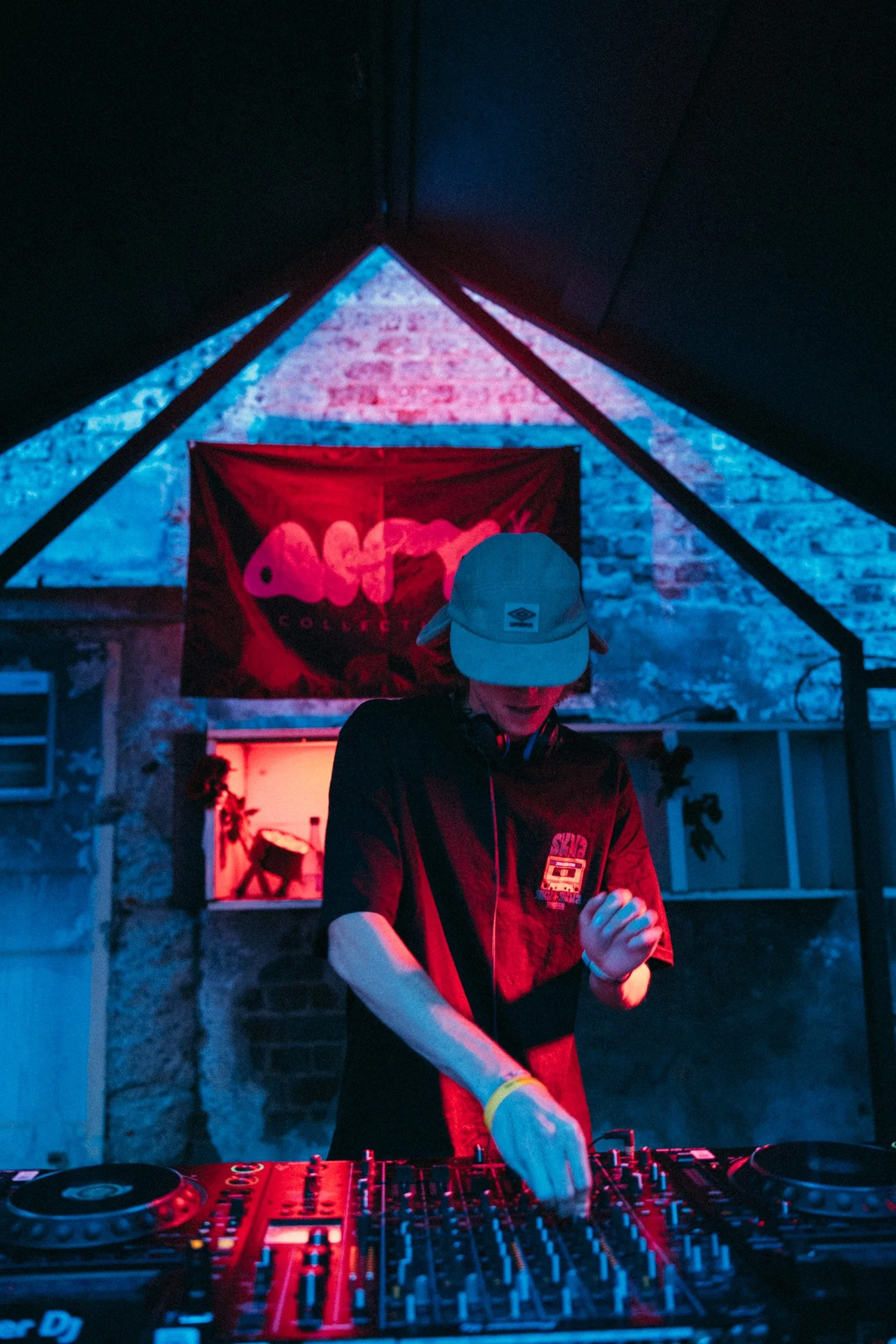
So, to start can you tel me about AIRY Collective?
AIRY Collective is a very new brand for me, I started it literally a year back. My background is in the film industry - I'm a producer, I work in film and I work in events.
So basically anything that has to do with logistics, that's what I do. A year back I also started managing my own artist - she's an Afro house DJ Shamiso. As her manager I started going to parties more, I started going to festivals more, and I started seeing what goes on behind the scenes. I have a big love for music and a really big love for Cape Town, being the city that it is. I've grown up in Cape Town all my life - from Parklands to Obs, to Claremont, I love the city with everything and me.
We have so much talent yet it feels like we don't. The people in the city don't get the spotlight because we're not in Joburg, we're not from Joburg. And the only time people really get to see our shine is when they come down here in December. So with AIRY, what I'm trying to do as a year round thing is to try to get us as CapeTonians to support ourselves and come to our own events. We don't support each other, you know, and there needs to be more unison in the different communities. I don't want to see only coloured people hanging out with coloured people, only black people hanging out with black people, white people hanging out with white people. We’re literally perpetuating the history of the segregation of the city. We just need to come together and do something for ourselves and put a spotlight on ourselves.
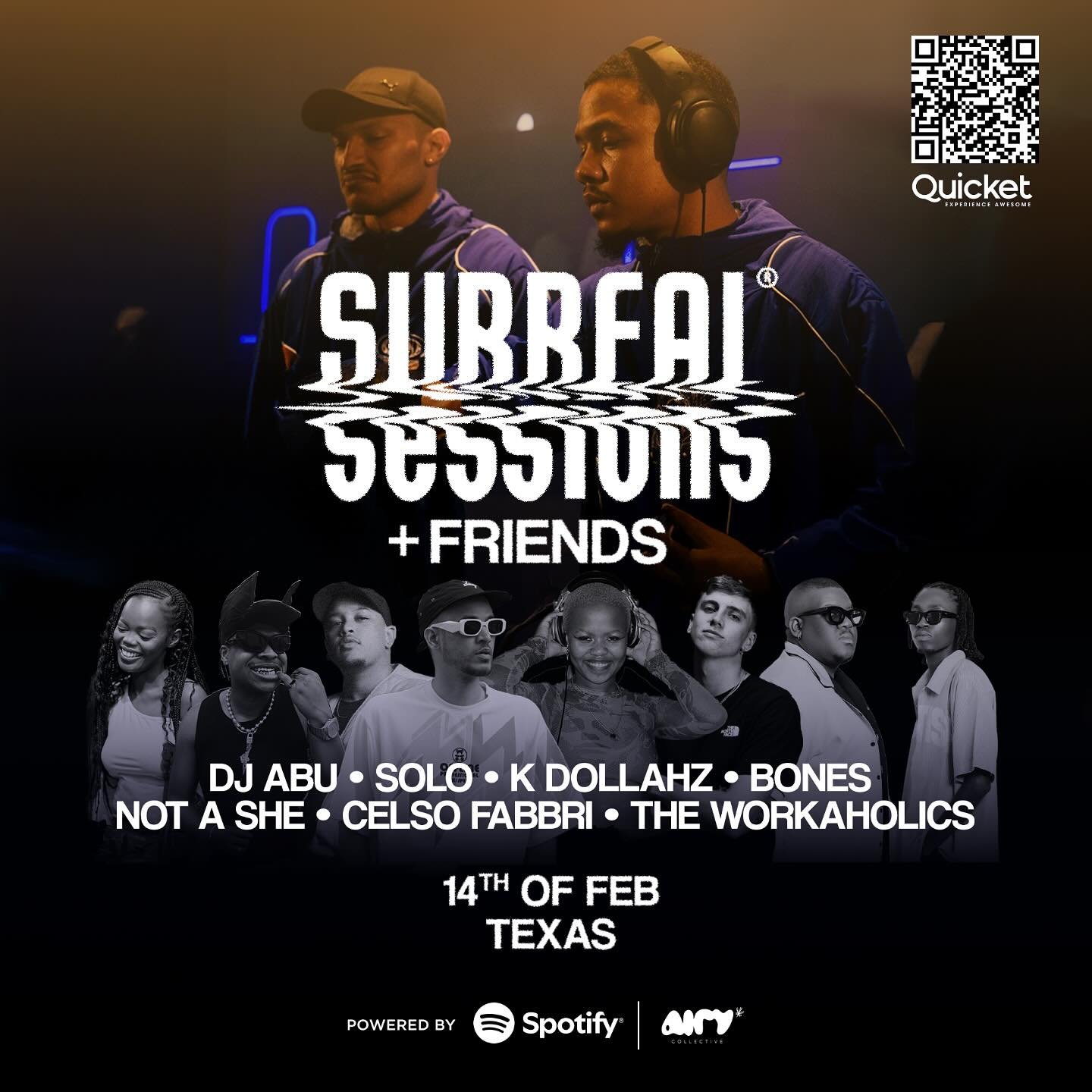
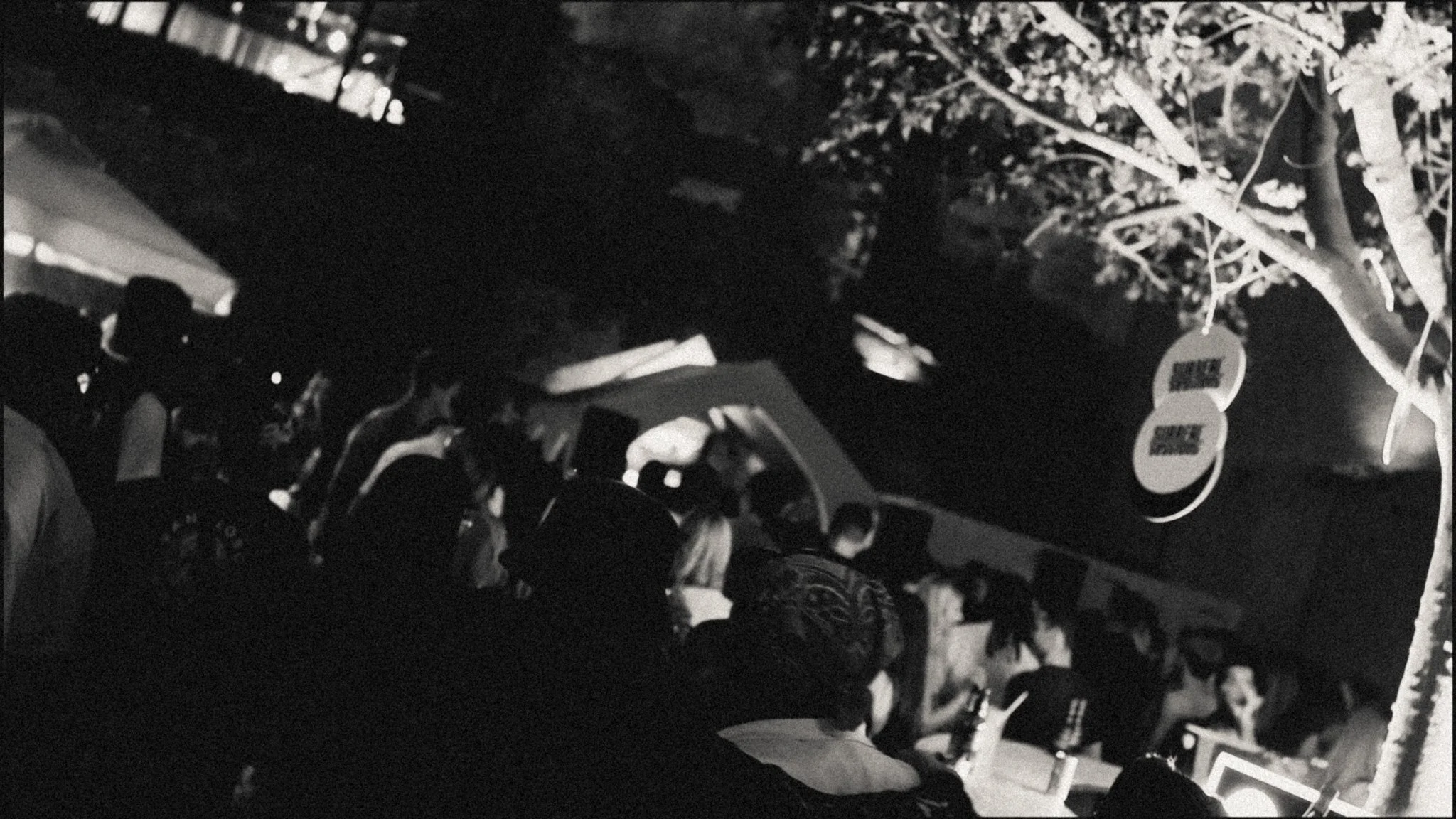
We did our first event with no major headliner and it sold out, which just proves the mission. It was a Surreal Session andFriends event. We did it at Texas on the 14th of Feb this year and for us to do our first event and for people to really show up like that, that's the energy I want to see all the time. It can happen and that's something that I really want to encourage us to do more, not only when the internationals are here. Come out for us, support us, let's vote for each other.
I think on the 3rd of January, that's really what we're trying to do. We want it to be super authentic. We want you to feel like this was thought out, that you're cared for. There's someone you can talk to - There's a point of contact. It's not just this massive brand name where there aren’t people that you can reach out to if you need something, you know.
Our lineup is also very local as much as possible. We've got Surreal Sessions. We've got Soulchoke, we've got Mila, we've got Tashinga. The majority of the lineup is a proudly local lineup, and that's something that is very intentional. With AIRY we want to put CapeTown on top and we want to put Cape Town's talent on top. I want that to shine. That's my big thing. So in every event that I do, I do want it to be a majority local lineup.
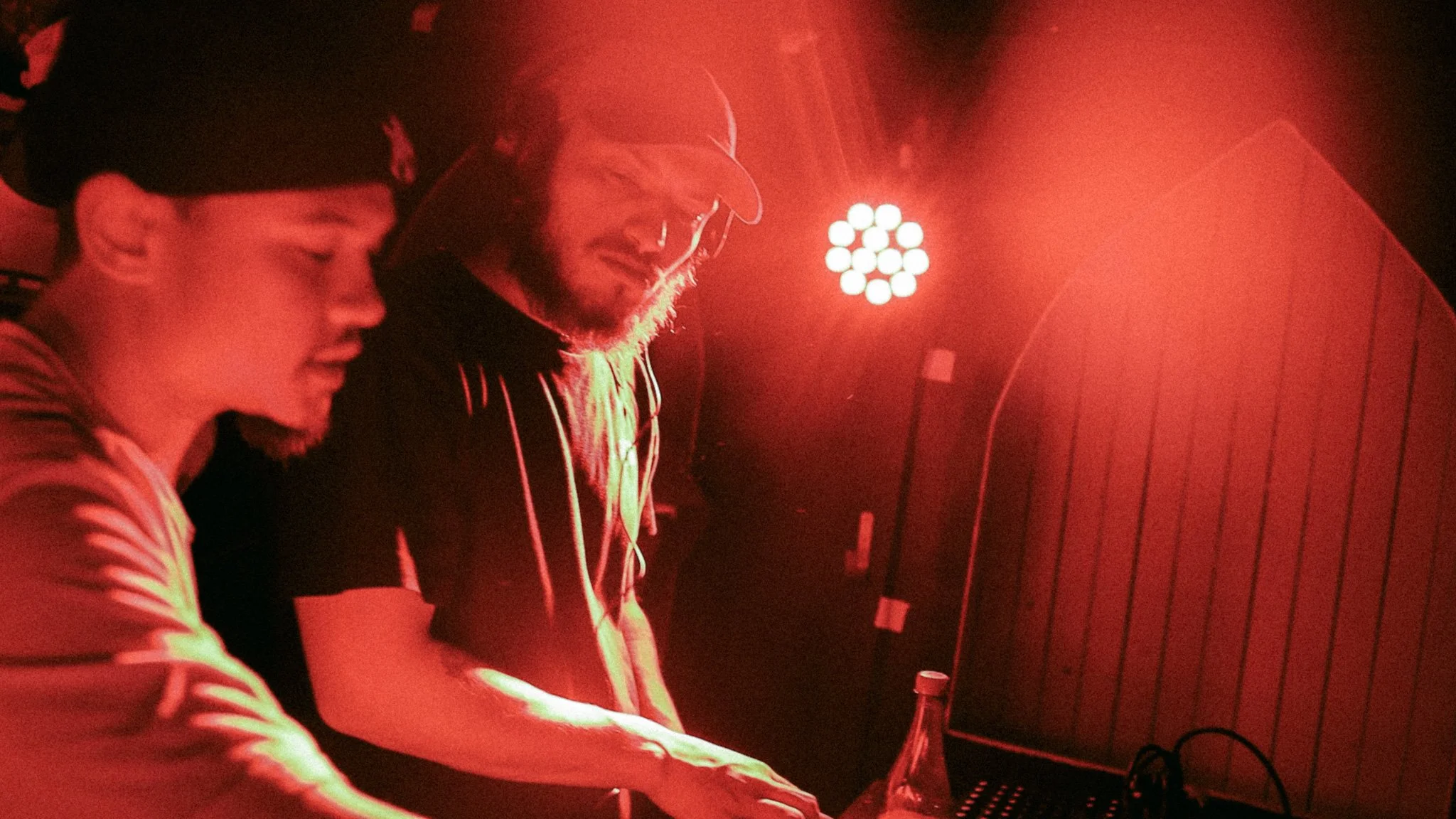
I hear you. Last year at Milk and Cookies my brother and I went early because he wanted to see Surreal Sessions, but they were on at 2 in the afternoon. They were playing to only like 5 of us on the dance floor.
That's literally how Surreal Sessions and Friends came about. After watching them at Milk and Cookies I saw them and said to them “how have you guys not done your own event ? It's like, let's do it, you know?” And that showed because then their fans and their community also showed up for them. And the event was sold out. We had reached capacity and people were still trying to come in. And that's the kind of energy I want consistently. Headliner or no headliner, we can do beautiful, beautiful things in the city.
I think especially in a time now where it feels like we're essentially being pushed out of the city because we can't afford it we need to stand against that and fight against that. It's easy for us to say, let's just all move to Joburg, but this is our city. We grew up here. It's our space as much as theirs.
So Maxwell, how does the iMullar fit into all of this?
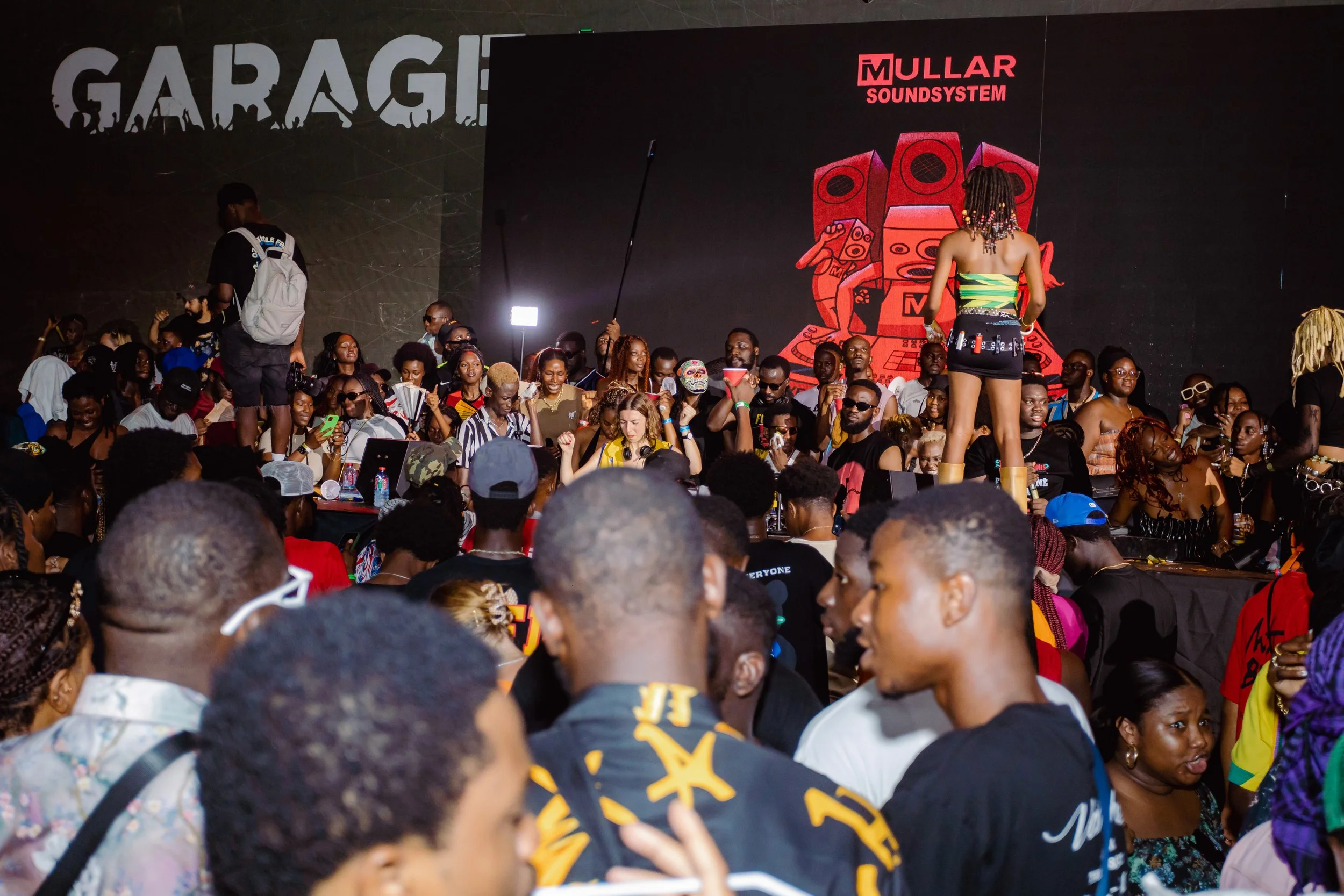
So in January iMullar is 10 years old, and iMullar Sound System is just four years old. The mother brand started off the back of standing for very marginalised communities, basically. So the underground, the new cats, the people that didn’t have the limelight, the people that the media didn't really care about.
The Sound System started because we noticed that there is a culture of not highlighting the DJs in any way - not promoting the DJs, not giving the DJ's equity in the nightlife or equity in the spaces that they play at.
So that’s why we built iMullar Sound System, to kind of piggyback off what we do for the artist. We gave the DJs centre stage, which builds their confidence more than traditional clubs which hid them in the corners somewhere.
So I can say that iMullar Sound System in the last three years has changed the landscape of dance music in Africa. And also we’ve contributed to making sure that what Europe was when Berlin changed the scene, that has been what we've created in the West African scene which also gradually spread into everywhere.
We've created a landscape for a lot of DJs to thrive and also built a lot of room for more female DJs to exist.
Our entry point to the South African scene was about three years ago when we did a party in Joburg which had a lot of Jozi artists. And then last year we did an event with Sesfikile at Hearty Collective. That’s what we like to do as a brand, we take a back seat and have our local friends take over and run the show.
There are more ways that we are looking at making an impact, artist wise and even event wise, and we're looking to keep this as a series. But I wouldn't say that we are going against the mainstream. I don't see it that way at all, because I believe that everybody has their audience. In Ghana, for example, when we announce our date, everybody takes note. But it's not like we are bringing the fanciest of artists or the biggest of artists, just that the lineup is culturally relevant.
I like the fact that you guys let your collaborator lead the curation. I really respect that. And that leads me into my next question for you, Nana. I know from moving around the city my whole life that some of these acts who have been in the game for a while, they do build their own community and they build a strong community at that. So the question to you is, how do you take an act like that with a strong community and kind of instill that same ethos to a larger event where you can open them up to more people, while keeping the spirit of the artist’s community?
I think it's very kind of similar to what Maxwell does, and it's letting the artist lead, you know?
At the end of the day, this is their vision. I'm just helping in a very small way that I can. With surreal sessions, I was taking their lead all the time. That lineup was solely created by them. They helped reach out to those artists. And I think it's just literally about letting them shine. It's like how can I help? What small part can I play? And I think that's always what I want to do.
I'm really passionate about creatives, being a creative myself. I'm really passionate about the music scene and the talent that we have in the music scene, and I want to continue doing this. I want to work with as many people as possible, in whatever way I can help. And I think that's always what it's going to be, is just letting the artists lead.
In my experience with managing my own artist I’ve found that you can't be an artist manager and have more vision for yourself than the artist. You know, they also want to have to do it. They are the ones who are going to have to tell you, this is what I want. This is what I want to do. You can’t come in there and tell them what they want to do
So I think it’s just taking my skills and plugging it in however they need me to, I think that's that's the big one. And whatever platforms that I have, if there's a way for me to plug artists into those platforms then I will do that, happily
Nana, what do you think about the resurgence of Gqom in the Cape Town scene? Do you think there is a specific reason why it had new life breathed into it?
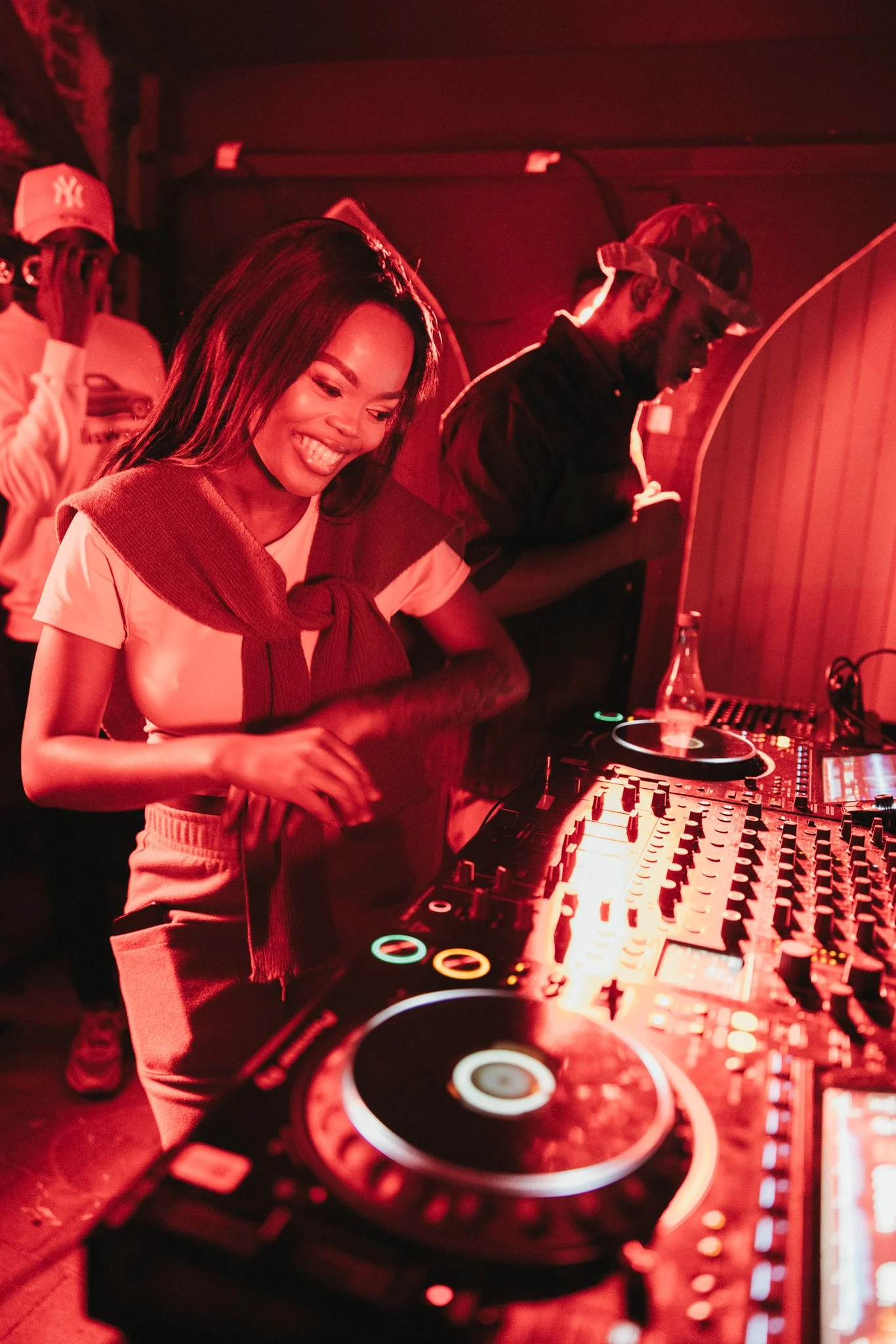
You know, this new Gqom resurgence is very, very exciting for me, first of all. I think it's one of my favourite phases in music that we’ve gone through as a country, because when it first appeared, I was too young to experience it. Now I'm on the streets and I’m going through events like Gida in Cape Town and Gqom Therapy in Cape Town
They're doing really exciting things, and a really good thing. Just seeing the raw passion that lies there, I absolutely love it. I love how experimental it's getting. I love that people are playing around with it. And I think also with it resurging, it's also opening spaces for other genres to take a shine.
We have been up in an Amapiano chokehold for years now, So it's nice to give other genres breathing room, and I really like the culture that's happening in the city, I love the people that are pushing it. They're really passionate about it.
I really love it because it's authentically African electronic dance music - music that is for us by us. It's unapologetically black. I think we need to see more of that and have more of that in the city. And use things that are for us by us to claim our space and to take our space. And I think music is a really good way of doing that.
To play off that question, to you Maxwell, what would you say the current mood on the continent is when it comes to Black Techno?
I'll say this. A lot of music - or a lot of dance music is African music, right?
So I don't really care what the narrative is, globally, because a lot of people are working to change the narrative right now, and we are being educated on on how some people have like sort of like coached the story to suit a certain European narrative.
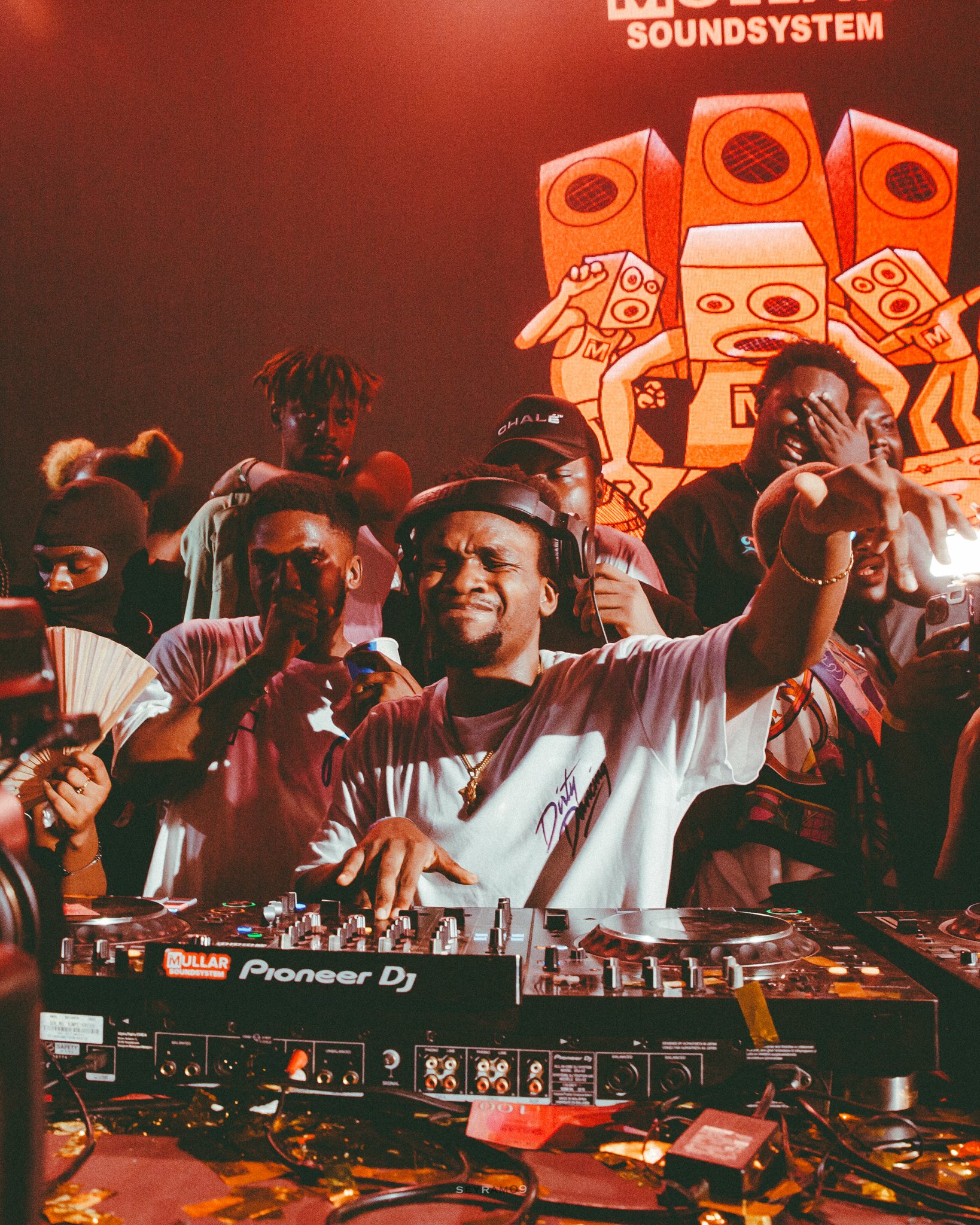
But I think currently, everybody is kind of like taking back their Black. With Gqom itself, and withAfrican dance music in general, Black people are taking back their sound and space.
There is a call for a lot of Black events organisers, Black stakeholders and Black people in music to lead the charge. There's a big call for Black people to just claim the space and then do what we need to do and claim back our sound and profit off of it. And a lot of people say, it's not about the money. It is about the money! People are taking our money. They were taking our gold. They were taking out diamonds back then. But now they're taking our sound, and they are profiting off of that.
Right now, the movement is to take back our sound. Let's create our own events. Let's create our own black-owned labels. Black labels should work with black artists to amplify them. And then bring our masters back home. Because right now a lot of masters are owned by labels that are not friendly to what the landscape currently is.
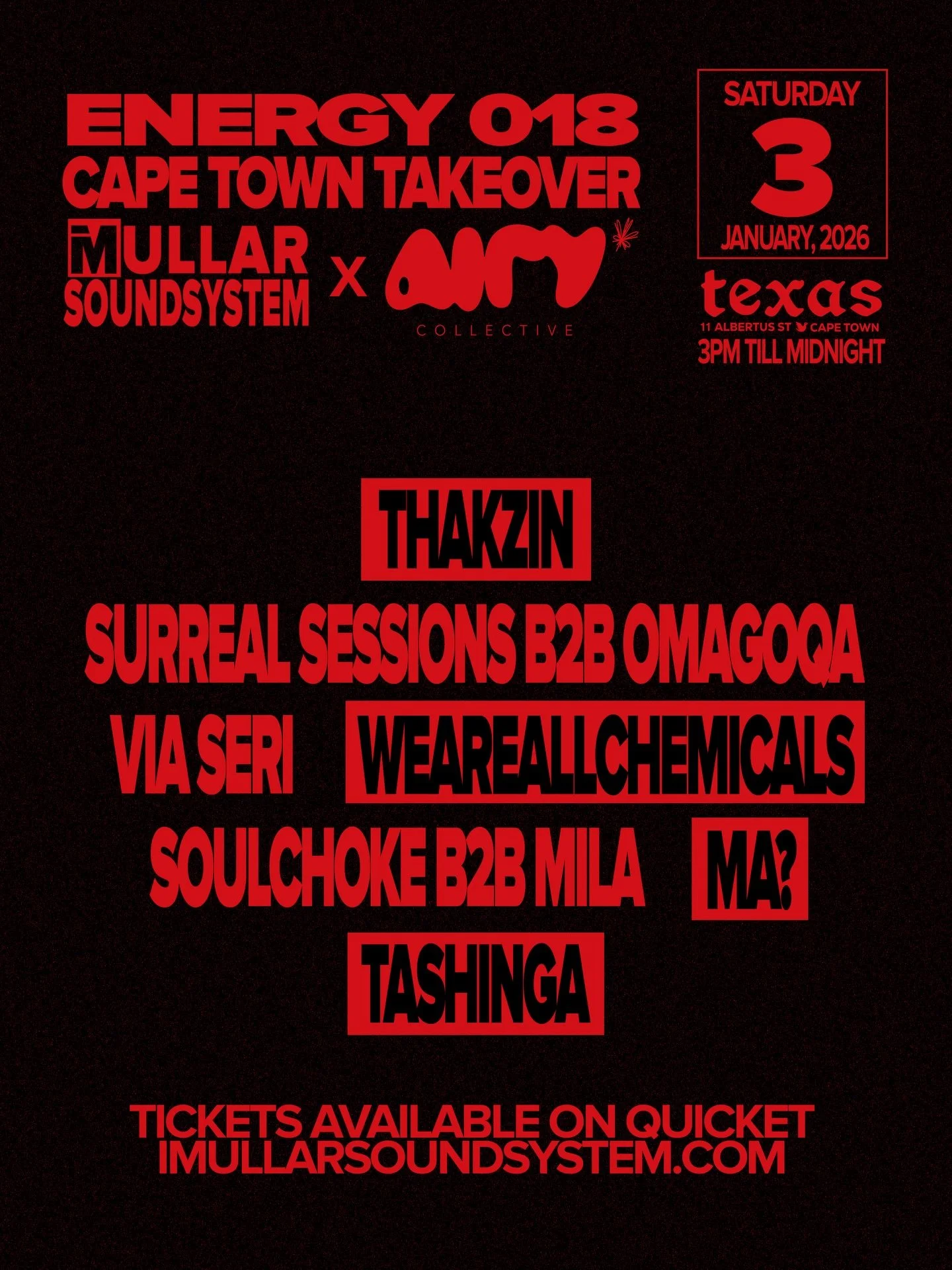
So what can people expect from the event this Saturday?
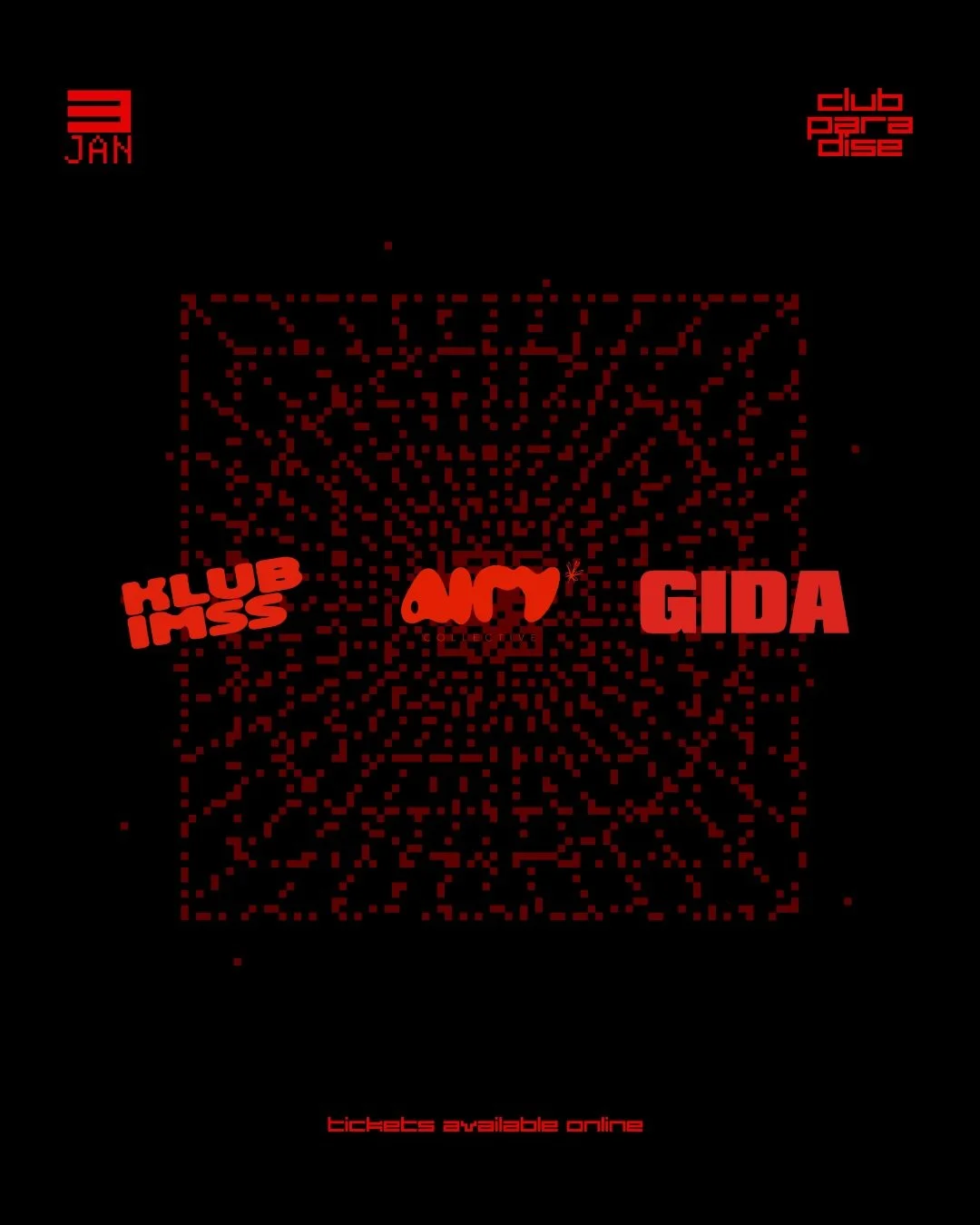
It's going to be hot. Like, you're gonna walk in there and dance until you leave. We're shutting Texas down and then we're actually doing an after party right next door at Club Paradise in collaboration with Gida. So you can expect authenticity, expect community, expect fun, It's a safe place, we are here for you.
What I really want to encourage people to do is just put your phones away and just dance. Talk to people, talk to the person next to you. Find somebody to drink with or dance with. Let's just look at each other in the faces. I think that we are missing that a lot, you know, we're always behind screens and sometimes it becomes hard to fellowship with one another.
With iMullar, this is the first one, and I don't want it to be the last one. They're doing amazing things in Ghana and amazing things for the country and also the continent of Africa and that's the dream for AIRY as well. So not necessarily be a spokespiece, but more of a pusher of the culture, to represent in its truest form. That's really what I want it to be.
Let's talk about the lineup for a bit, though, because it's crazy. It's crazy. We’ve got Thakzin as our headliner, you know, we've got a crazy back-to-back, but can I even call it a back-five-back list sessions and Omagoqa, we've got a back to back with Mila and and Soulchoked, we've got, a set from Tashinga who's been pushing the culture for years, so that's really like a really special thing.
So now it's time for the VERVE Question - and this one is for you Nana. What is your opinion of the current cultural landscape in the city, and where do you see it going from here?
So right now it's kind of shifting in a way that I'm not so big of a fan of - as in it doesn't feel like it belongs to us anymore. I don't know if we need to speak up more about it, but we really need to take this seriously and stand up for our city and shift it back to us.
It does feel like it is kind of going away from our grips a little bit, and I think by starting these small movements, like AIRY Collective and VERVE, I think that's the only way we need to reclaim it.
All I can say is that eyes are on us right now and it's important that we make sure that the culture stays in our hands and that we're not asking them for opportunities, rather we are creating these opportunities ourselves.
We really need to be very, very adamant about what we do next - it has to come from us. We cannot be looking to them for guidance and leadership on what to do in our own city and country.
Tickets are still available at this link, with an afterparty hosted at Club Paradise right next door.
Come ride out the last wave of this festive season by embracing the pulse of the city. Put your phone away, talk to someone, dance. Take back the block. This city is ours, let’s claim it