Diptych Part 1: A short film with a poignant message.
Written By Kirstin Brookes
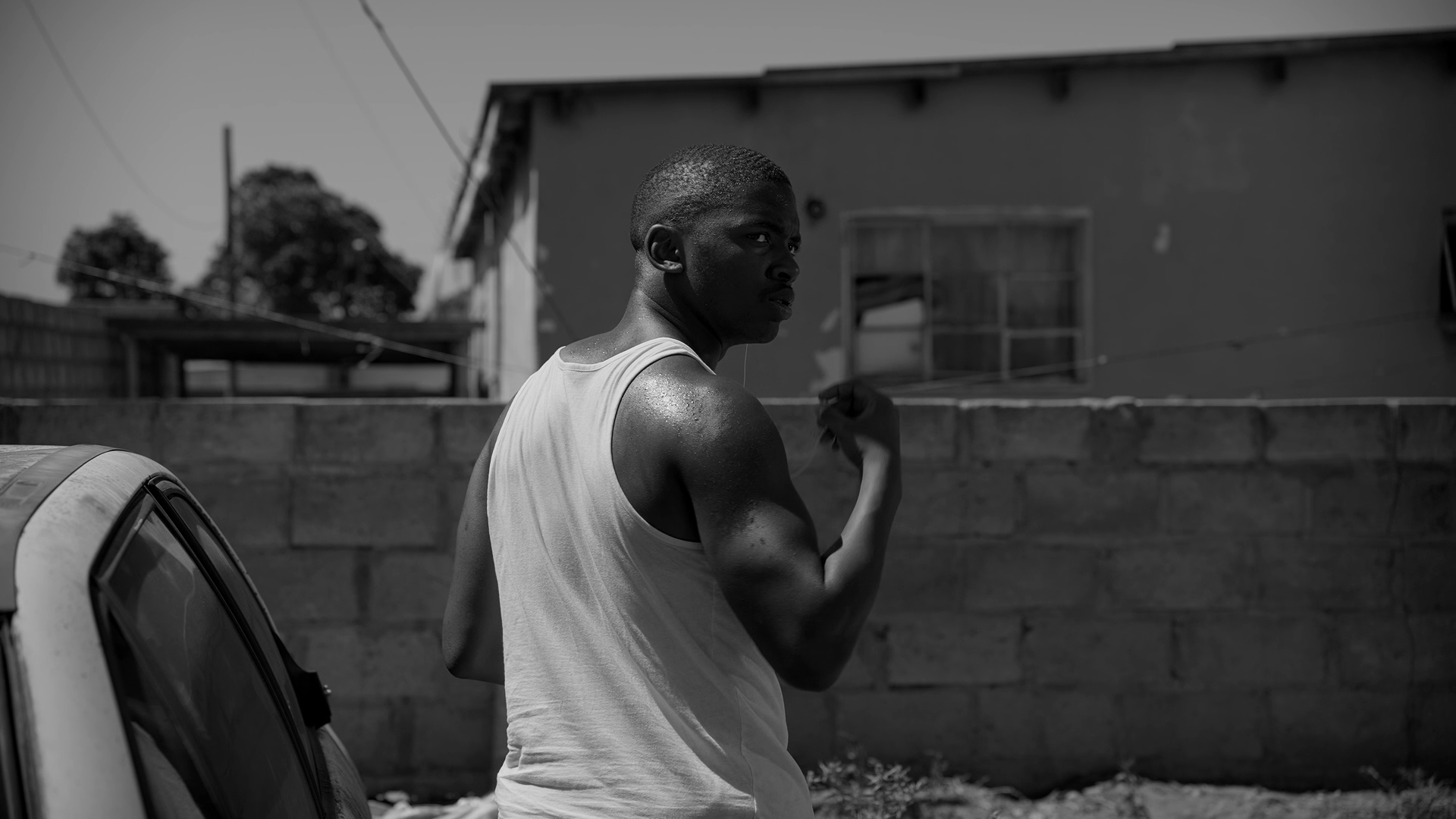
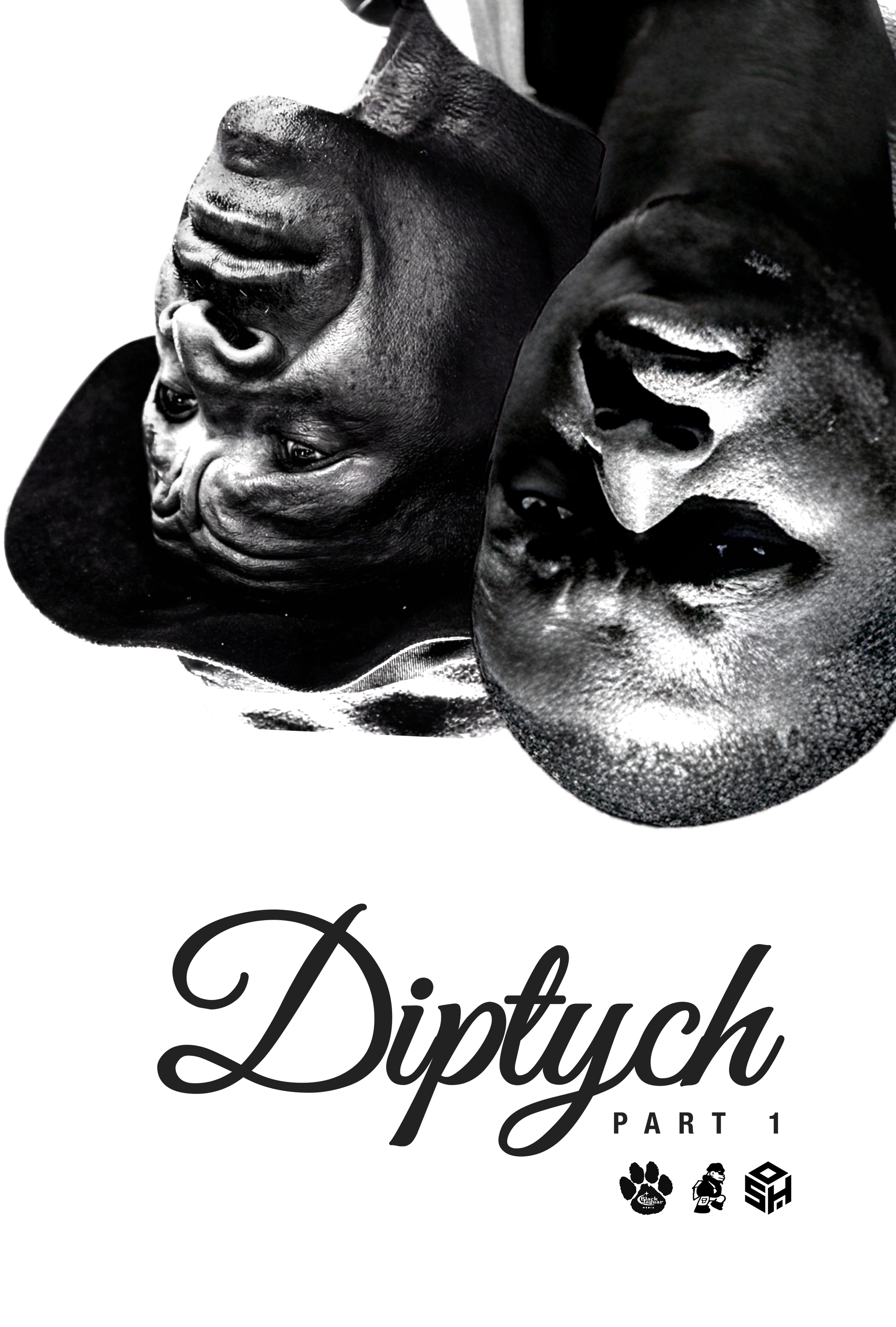
Student filmmaker Chumani Katsha has once again illustrated his range and talent with his latest short, Diptych Part 1 (2026). The piece is at once experimental and effortless, drawing on dualities throughout its five-minute running time to create an atmosphere that is simultaneously tense and brooding, and hopeful and empowering.
With an astonishing capacity for captivating the emotion of his audience in such a short time frame, Katsha uses a blend of concentrated dialogue, raw, skilful cinematography, and a brilliant original score by Tshiamo Gaotingwe to represent the South African underrepresented and to inspire those who feel as if they are relentlessly swimming against the tide of their socioeconomic circumstance.
The budding director, who was awarded the title of Best Student Film for his short As If – Ashes by the Knowmad Film Institute in Germany in 2024, has already proven great stylistic scope in his works. His short film Ghost Unit (2025) undertook themes of the paranormal, with editing that jumped jarringly between scenes of past and present, and point-of-view cinematography which made for a suspenseful, claustrophobic watch.
By contrast, Diptych Part 1 employs naturalistic editing, homage to vintage filmmaking, and black-and-white cinematography which, for the most part, casts a still focus on its subjects. But whilst the director’s short filmography has already demonstrated impressive diversity in production methods, his ethos of perseverance to overcome social and structural barriers inherited from the apartheid era forms the backbone of all Katsha’s works.
The name of the short, ‘Diptych’, defines a case of polarity – the effect of complement that we observe when one artwork is contrasted or paralleled with another. Katsha uses such polarity with masterful ease throughout the film. It is set in the modern day, yet its stylistic elements – black and white cinematography, yellow retro subtitling, a vintage title card, and an opening score inspired by previous decades – signal the past to our subconscious, drawing a link with how it shapes our present day.
The opening frames from the film situate us in a township, in the protagonist Zipho’s (Landile Nkengana) backyard. Chickens bob their heads in search of feed amongst sunburnt grass and cement tiles, and a quartet of empty glass bottles on the stoep draws our focus as we get our first glimpse of the dilapidated exterior of the home that Zipho battles to maintain.
The dilapidated exterior of the home that Zipho battles to maintain.
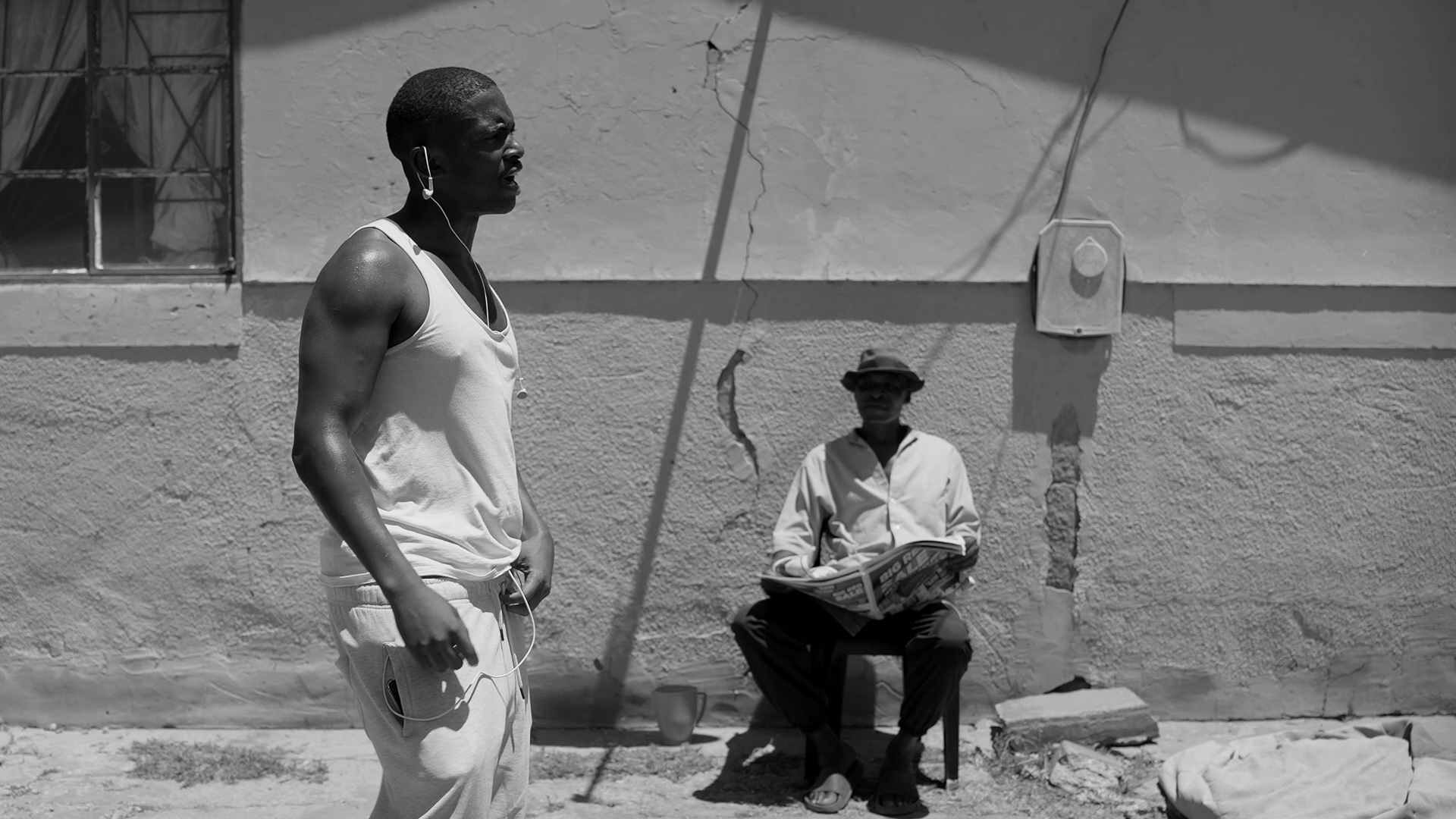
As he works, we listen to his music with him, which pulsates through his wired headphones. The choice of music was not arbitrary for Katsha, but an essential mechanism to underline the message of the film. It is Hip Hop, and it was chosen by the film’s young director to draw an important parallel with the jazz that was playing at the start of the film.
These genre choices for the film’s score denote resistance movements of both past and present, and further drive the director’s message of perseverance against the structural inequalities and social legacies that apartheid haunts South Africa with to the modern day.
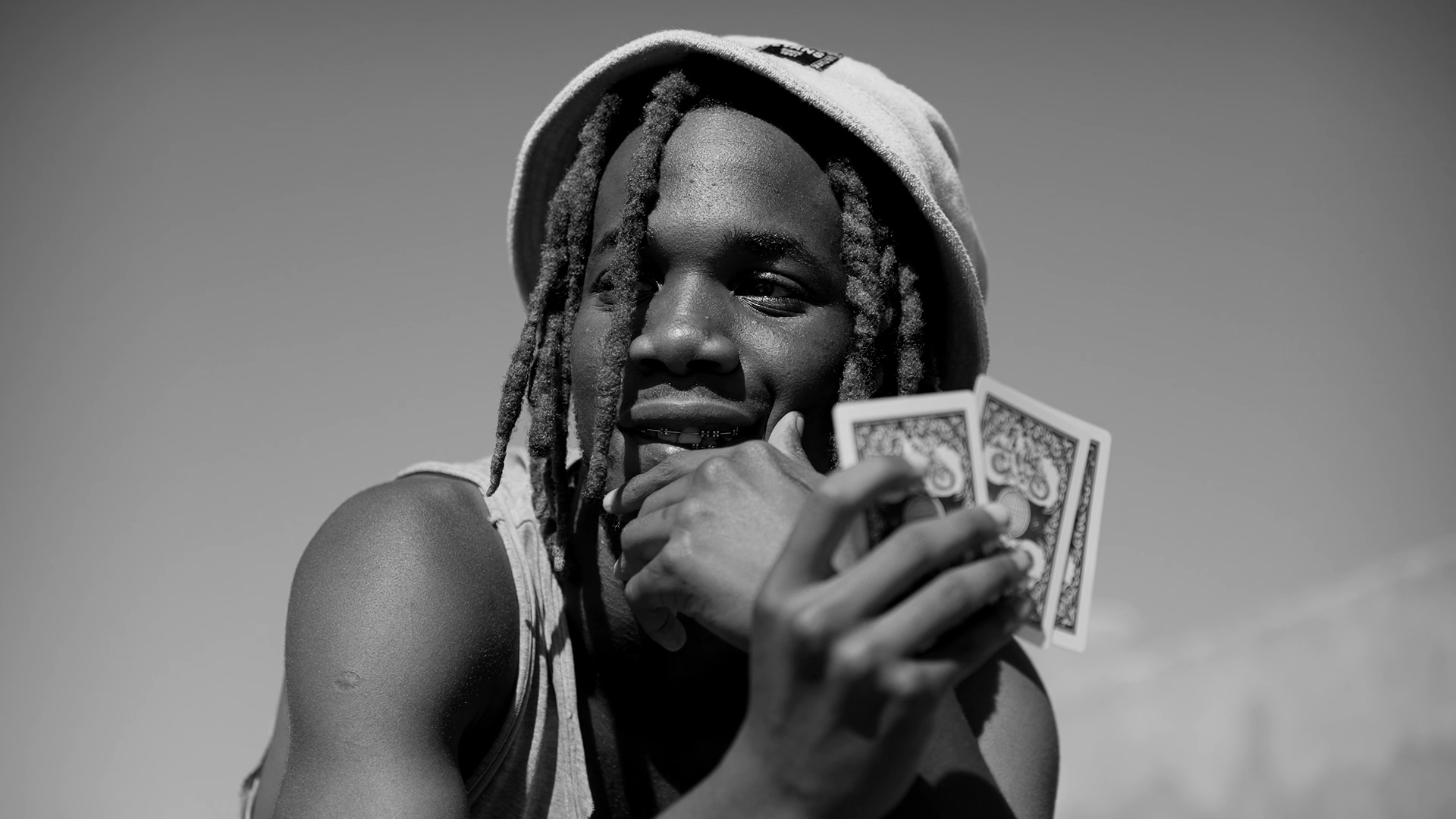
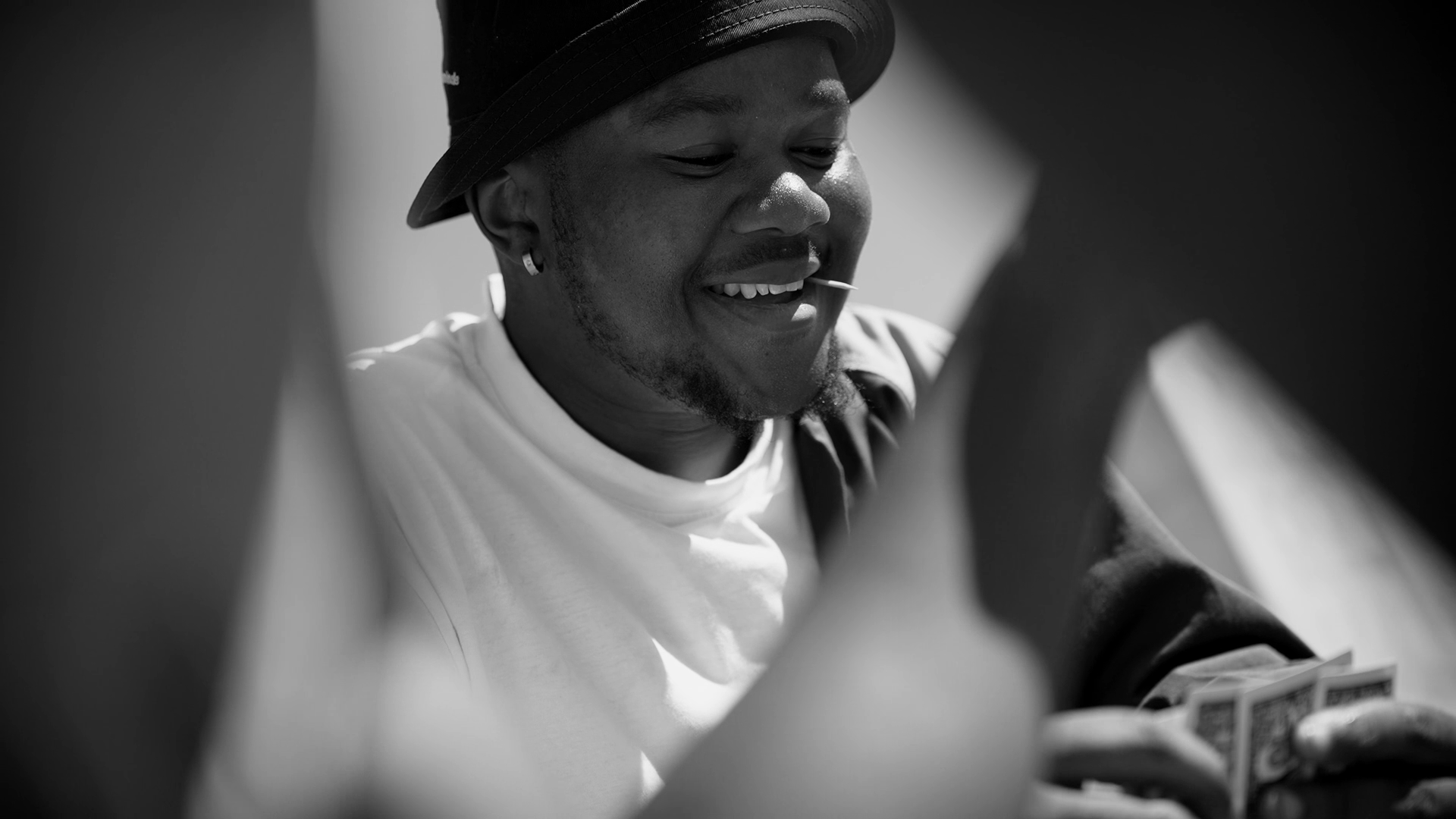
When Zipho’s weary father barks instructions at him from beneath the shade of their home, Zipho is resentful, but obedient. He keeps his head down and continues his work as three men gather to play cards on the pavement just outside his home. They are boisterous and cajoling, embodying an arrogance that stands in stark contrast to Zipho’s quiet, hardworking humility.
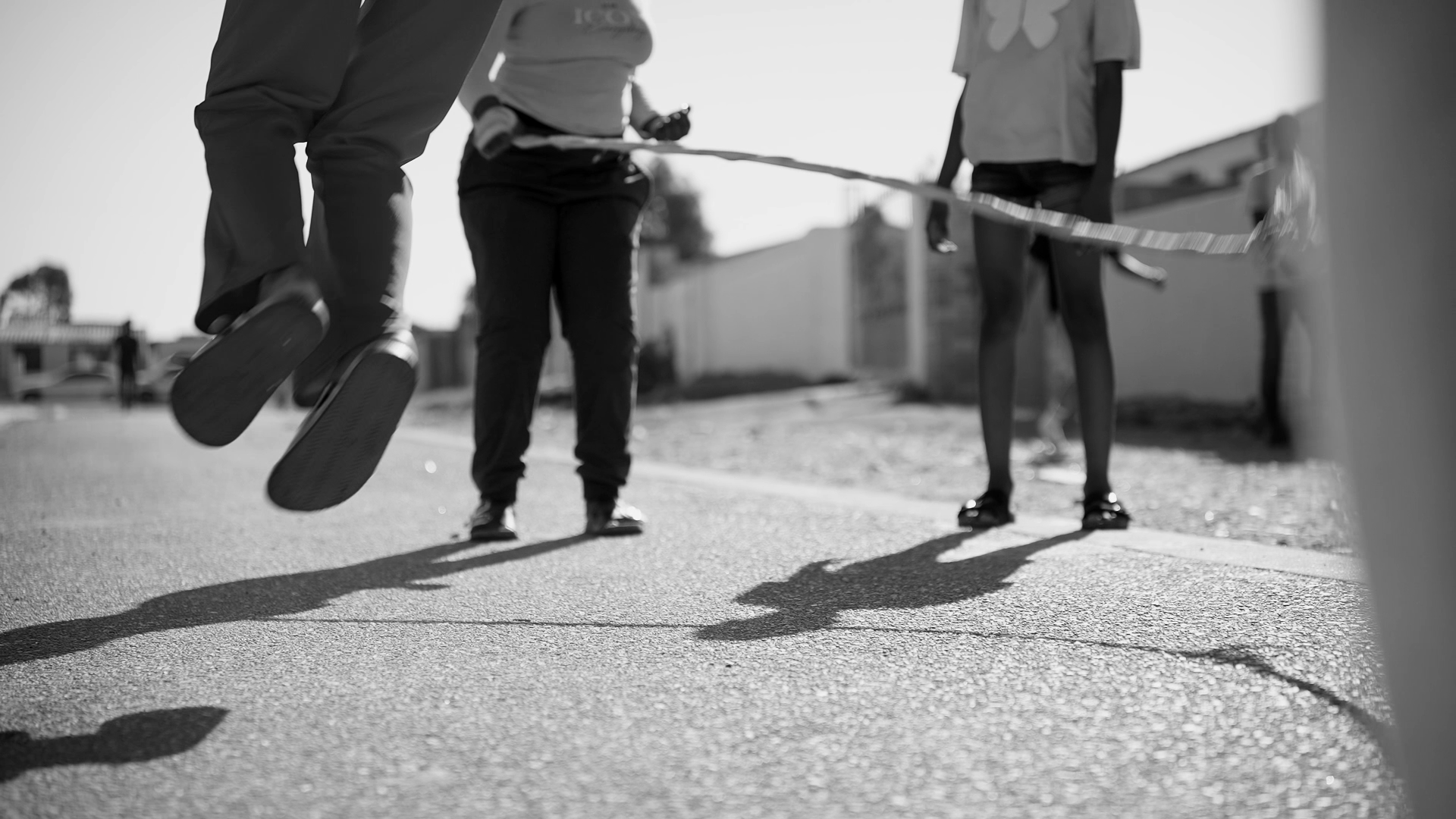
Just a few metres away from the three men are four young girls playing jump rope. The camera switches between slow-motion filming of their high-top sneakers springing against the tarmac, to live-action full-bodied shots of them jumping and singing to the swing of the rope.
The effect is unnerving – Katsha’s emphasis on their innocent play in combination with the slow-motion, low-angle shots is intended to create a palpable sense of suspense. We know how proximal the men are to the girls, and we are meant to feel uncomfortable by this.
This sense of unease, inspired by the contrast of innocence in proximity to the directionless, corrupted men, is the entry point for another social issue endemic to South Africa: gender-based violence.
When one of the men passes a comment regarding the girls, about how one must ‘get them while they’re still young’, Zipho strides over to the middle of his yard to confront the men, delivering his only lines from the entire five-minute production:
“Couldn’t you guys find something better to talk about? Things that have more value?”
Although Zipho is subsequently humiliated in front of his father by the gang of men, they nevertheless leave the scene in anger, sparing the young girls from their undressing eyes.
Zipho says nothing when they ridicule him and turns silently back to his work when they go.
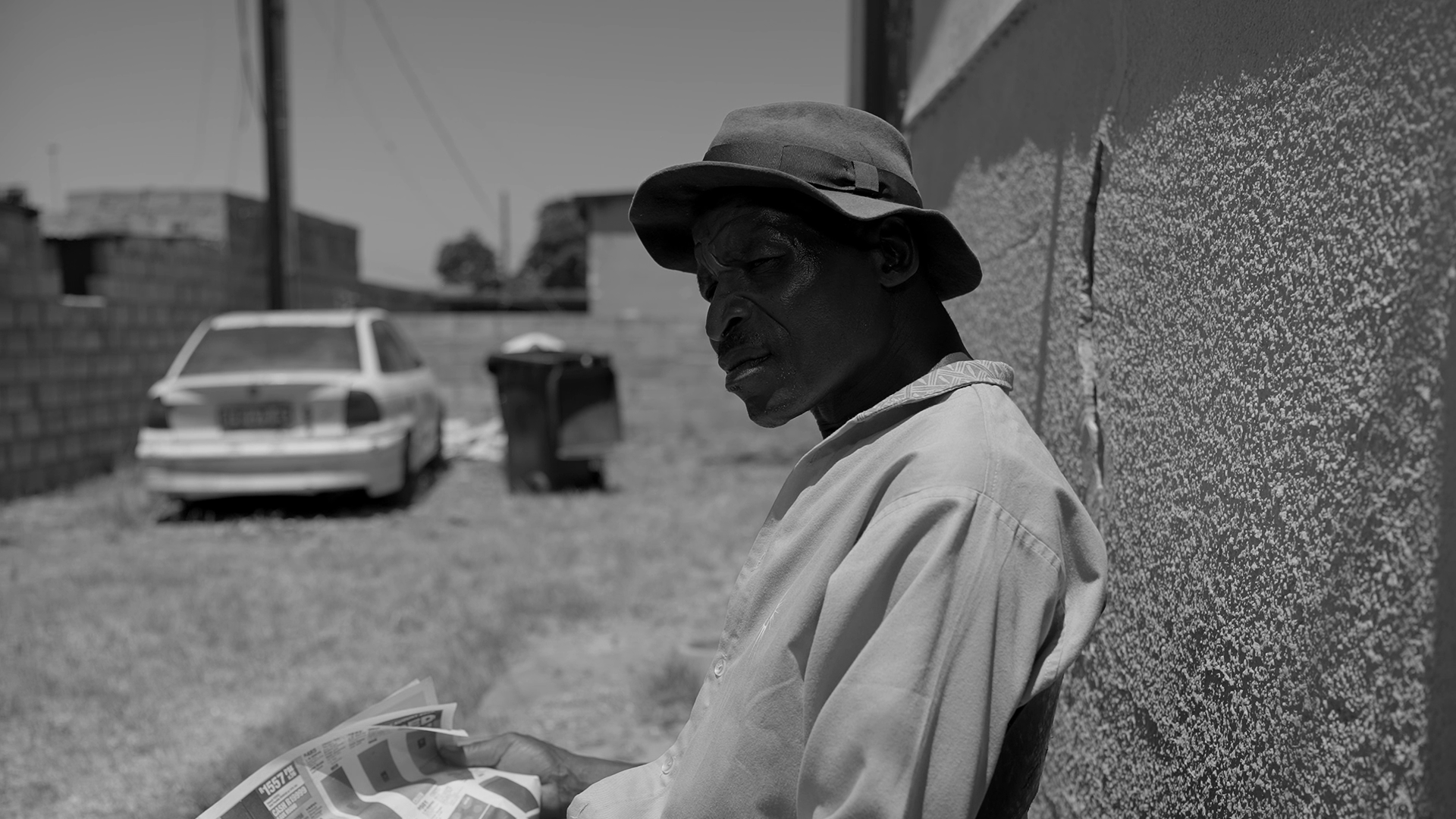
It is in these final moments of the film that the director’s powerful message is driven home. The poverty entrenched in South African communities as a legacy of the past, and the sense of powerlessness that it can play out as, can manifest in many forms.
Some people, like the three men, with their perverse mindsets and the directionless way that they occupy their days, will perpetuate these legacies, as they see no brighter future for themselves.
And others, like Zipho, will actively fight against them, conscientious and resilient in the way that they persevere despite their circumstances and call out injustices as they see them. Katsha’s ethos is taken home by Zipho’s father (Mncedisi Madolo), who turns to his son to encourage him after witnessing his public degradation:
“Keep doing your own thing, boy… People only believe in change once they see the work.”
Production:
Writer & Director: @chumanikatsha_
Associate Producer: @_blackjaguarmedia
Executive Producer: @themobmagazine_
Script Supervisor: Tomika Ngcali
Cinematographer & Editor: @mwangokondolo
Original Score and Sound Design: Tshiamo Goatingwe /@tshia_g
Production Assist: @slatethegreat_
Post Production Assist: @seancoetzee
Special Thanks: @ybkproductions
Talent:
Lead:@lxndi_
Supporting actors: @bigpatts_.m / @lazama_x