Benjamin Jephta: Homecoming as a continuous process
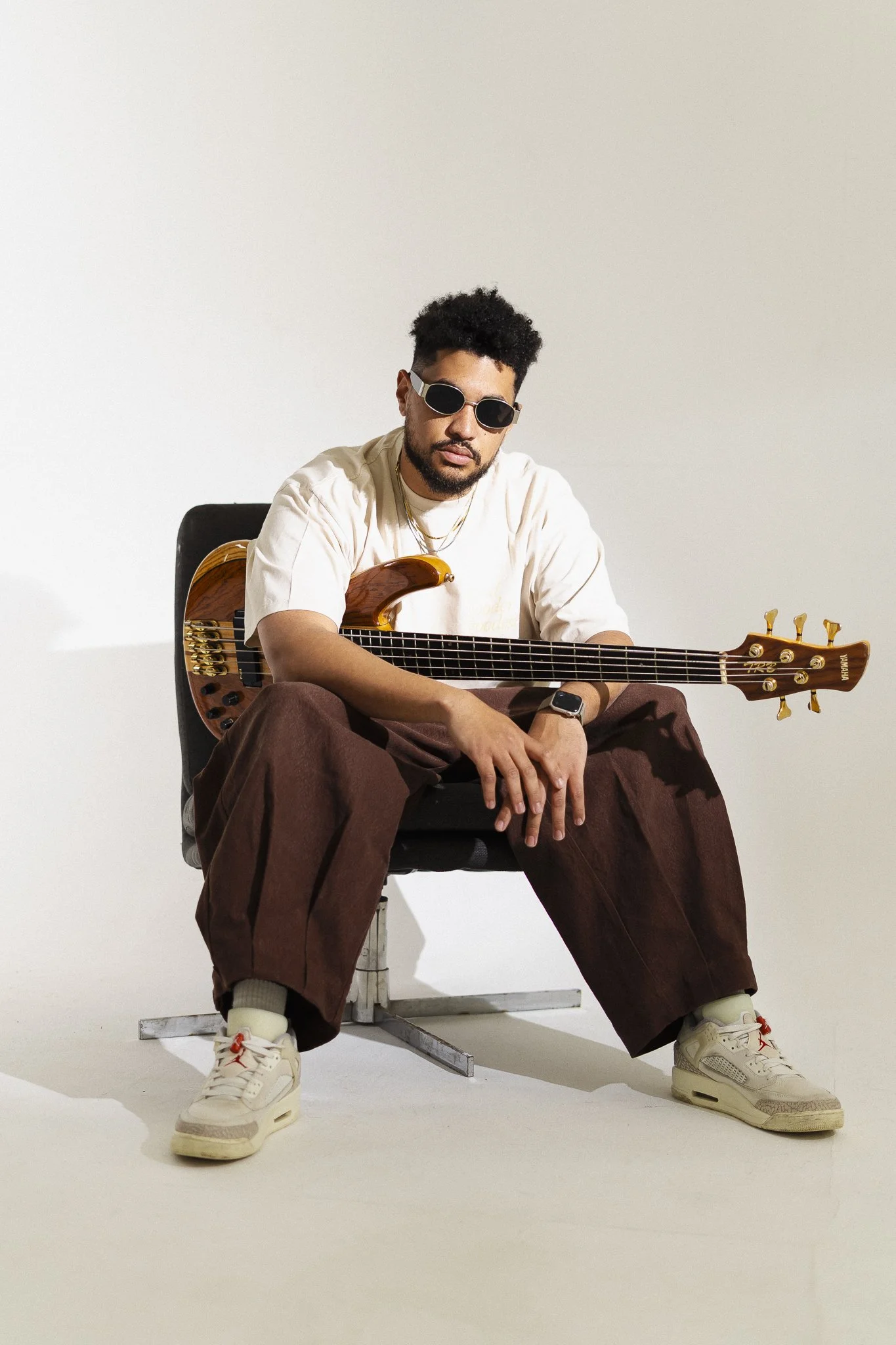
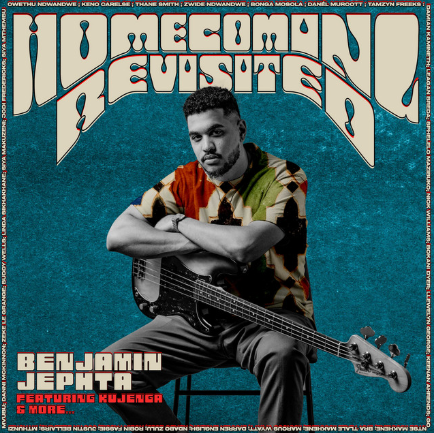
I had the privilege of talking to South African Jazz legend, artist, and scholar, Benjamin Jephta, about his latest project, “Homecoming Revisited”.
The album features nine tracks and a collaboration between twenty artists. In our discussion of people, form, and theory, Jephta returned to a central tension: the problematics of identity logics encountering genre- when sound becomes reduced to the people who make it - versus his ongoing exploration of the ways identity encounters the logics of genre- when sound is allowed to be produced by the people who make it. “Homecoming Revisited” is an embodiment of this latter project.
To start, can you tell me a bit about who you are, what you do, and your path so far?
I am originally from Mitchell’s Plain in Cape Town. I'm a bass player, musician, composer, artist- I’m in the music sphere! My love of music came from my dad. He was a singer in a top 40s cover band back in the day, but when he became my dad, he was a policeman.
He used to sing a lot of pop covers, played a little bass and guitar, and he was the worship leader at our church. So, there was a lot of music around me. I was surrounded by gospel music - I guess at the time it would have been considered R&B, but it's kind of like funk - old school like Earth, Wind, and Fire, Beverly and May, Kool and the Gang, stuff like that - smooth jazz.
Then I had a very good music teacher by the name of Fred Kate, who exposed me to contemporary jazz in many ways. I always liked the bass. There was this known bass player in Cape Town called Sammy Weber, and he looked cool playing the bass, and I wanted to play the bass because he looked cool and it looks cool to play the bass.
It was one of the things where you can just kind of pick it up, kind of figure it out, and then play along. I used to play along to all my dad's records.
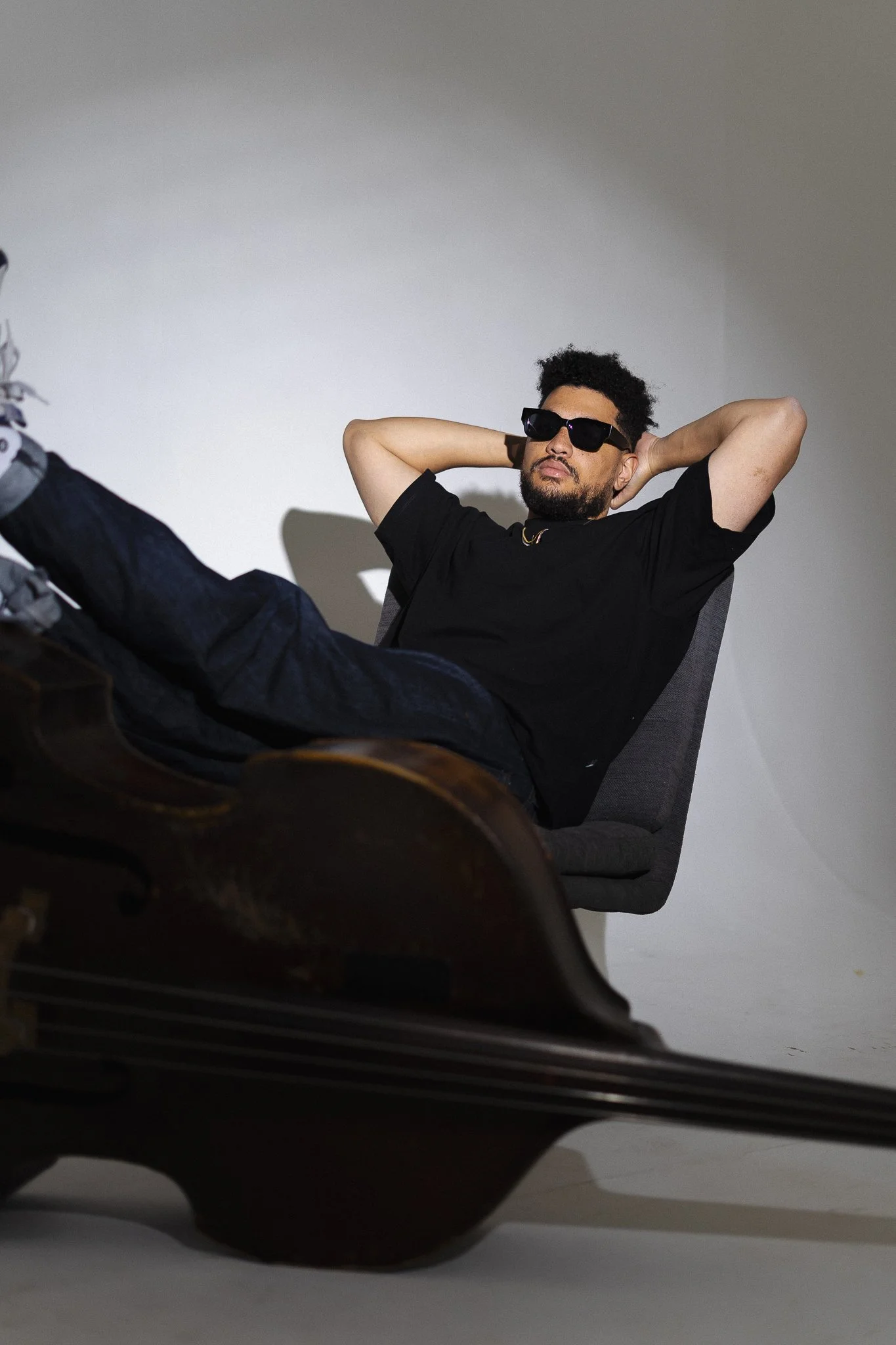
Eventually, I went to study music at UCT. I was between studying medicine, civil engineering, or jazz. I settled on music because I had this very romantic notion of like, okay, I'd rather want to do something that makes me feel good for the rest of my life, you know? I mean, from grade 9 or 10, I was already starting to gig and earn money.
After my undergrad, I was in Johannesburg, where I am currently. It was probably one of the best things I could have done for my career as a musician and my growth as a person, I think.
Partly because the music industry is really based in Johannesburg. I think it is shifting to be honest, but at the time, it was based here, so a lot of the record companies or the TV corporate stuff was here which provided me a lot of opportunities to advance in my own artistic career, especially because as a bass player I also started playing with a lot of other people.
A couple of years back, 2018, I moved to the States, where I did my master’s at the Berkeley College of Music. That kind of just set me up in this new research academic sphere that I'm into now - I also hold a post at the Wits School of Arts in the music department, where I lecture in film and TV music and jazz studies.
So yeah, studied in the States, lived in New York for like a year and a bit, COVID happened, I came back, and that brought me to where I am now: performing, lecturing at the university, writing scores, - kind of a very diverse career of things, but really for me it's all connected. It’s all connected to music and storytelling, really.

Image sourced from Instgram // @benjaminjephta
I'm so interested- you're the first person I've interviewed who's taken their formal studying of music so far. What is your opinion on approaching music via the institution?
I think pros and cons... I will always be the first person to say that you don't need to study music to be a musician, but for me, it has been very beneficial in several ways.
I view things in a very systematic way - probably my ADHD! I need to know workflows, I need to know how I get from point A to point B and understand that process all the time, so I can refine it. I think an institution provides me with a scaffolding for understanding how to approach composition and performance. So, it’s great for someone like me who needs that kind of workflow.
It also provides you with the space to make immediate connections to people. You’re thrown into a space where everyone is a nerd just like you. Everyone is so interested in the solo that Coltrane played on this recording, and you know that you finally found your people, you know what I mean?
In fact, I often tell my wife, who I actually met at UCT, she was studying education, that my one regret is never doing composition in a formal structure.
You know, a lot of things are linked when you start to study and understand theory, you can kind of make with it what you want.
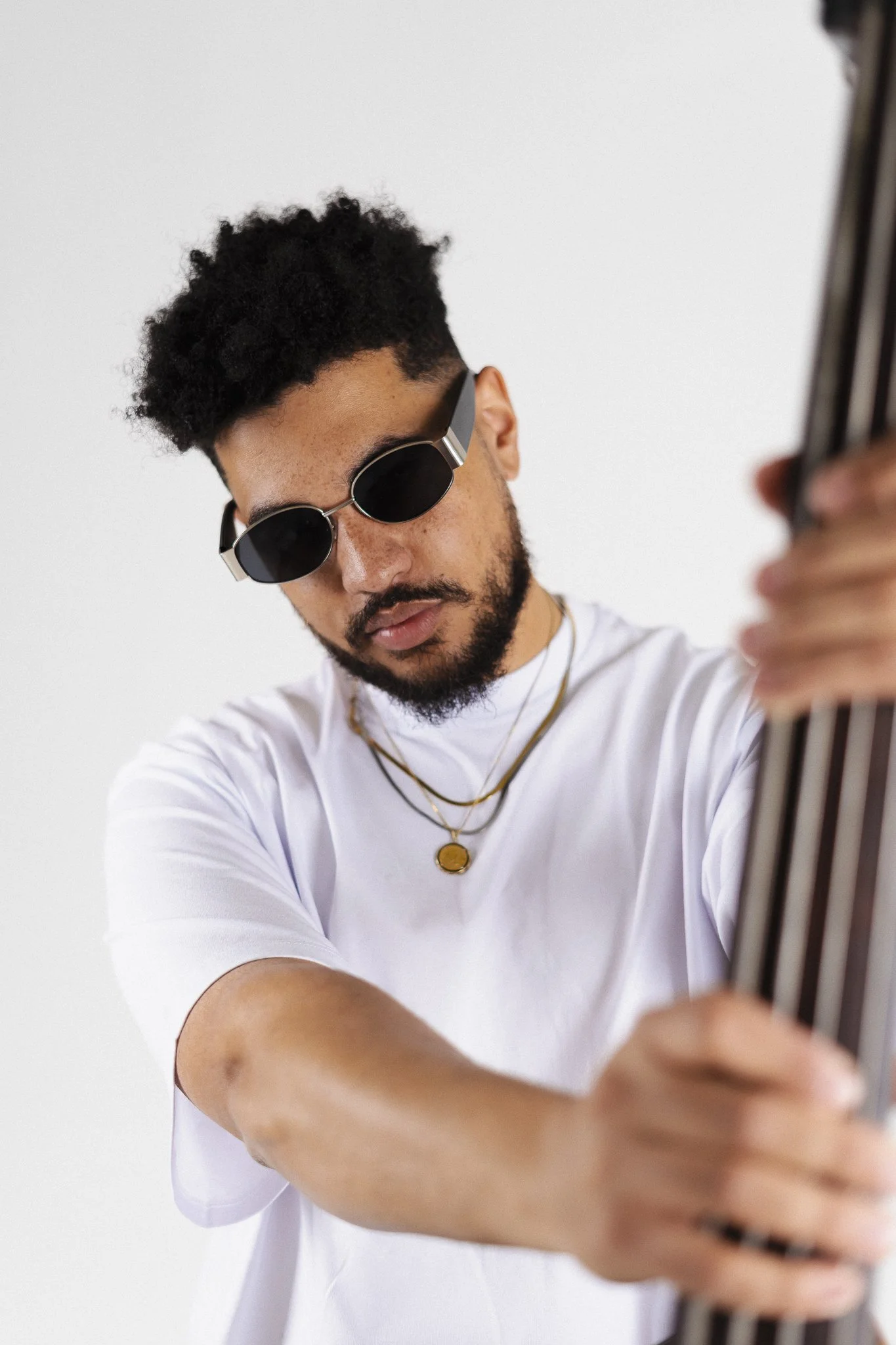
So studying helped you deepen your approach to music- what is your understanding of your approach with music? What are you doing in your music making?
My ethos again relates to how I like to learn and understand things. I want to know everything about the thing first. Then, as I'm figuring those things out, it's always my intention to add my interpretation.
The idea of the artist reflecting their community is very important to me, and that means I ask myself; who is around me, what are the stories I'm trying to tell, what is happening in my community, what are the hardships, what are the victories, all these kinds of ideas, and how can I incorporate that into the art? What does my community sound like?
There's this idea, especially with Jazz, that you need certain knowledge to really appreciate it. However I think the way you feel about music, whether you come from a learned background or not, is totally valid.
I think that's a pretty good segue into ‘Homecoming’ - can you tell us aboutthe 2015 version of the album?
So that album came, in some ways, out of my frustrations studying at an institution where I felt that my voice as an artist was not really nurtured, and also what we were being taught was very American-centric and European-centric in many ways.
Like, I never even got to learn music from where I was from, right? I had a lot of frustrations around that.
I started to think, okay, how can I take this American art form or this musical form that is not necessarily from South Africa, how can I incorporate these ideas into music that I grew up with, and into music from home?
So I started experimenting while playing piano at church with a lot of church harmonies and music from the jazz tradition, specifically from Cape Town - what you might call Cape Jazz. I wanted to know what that would sound like. And that was what Homecoming was.
It was kind of coming home to get back to an understanding of where I come from, like an introspective process of who I am and where did I come from.
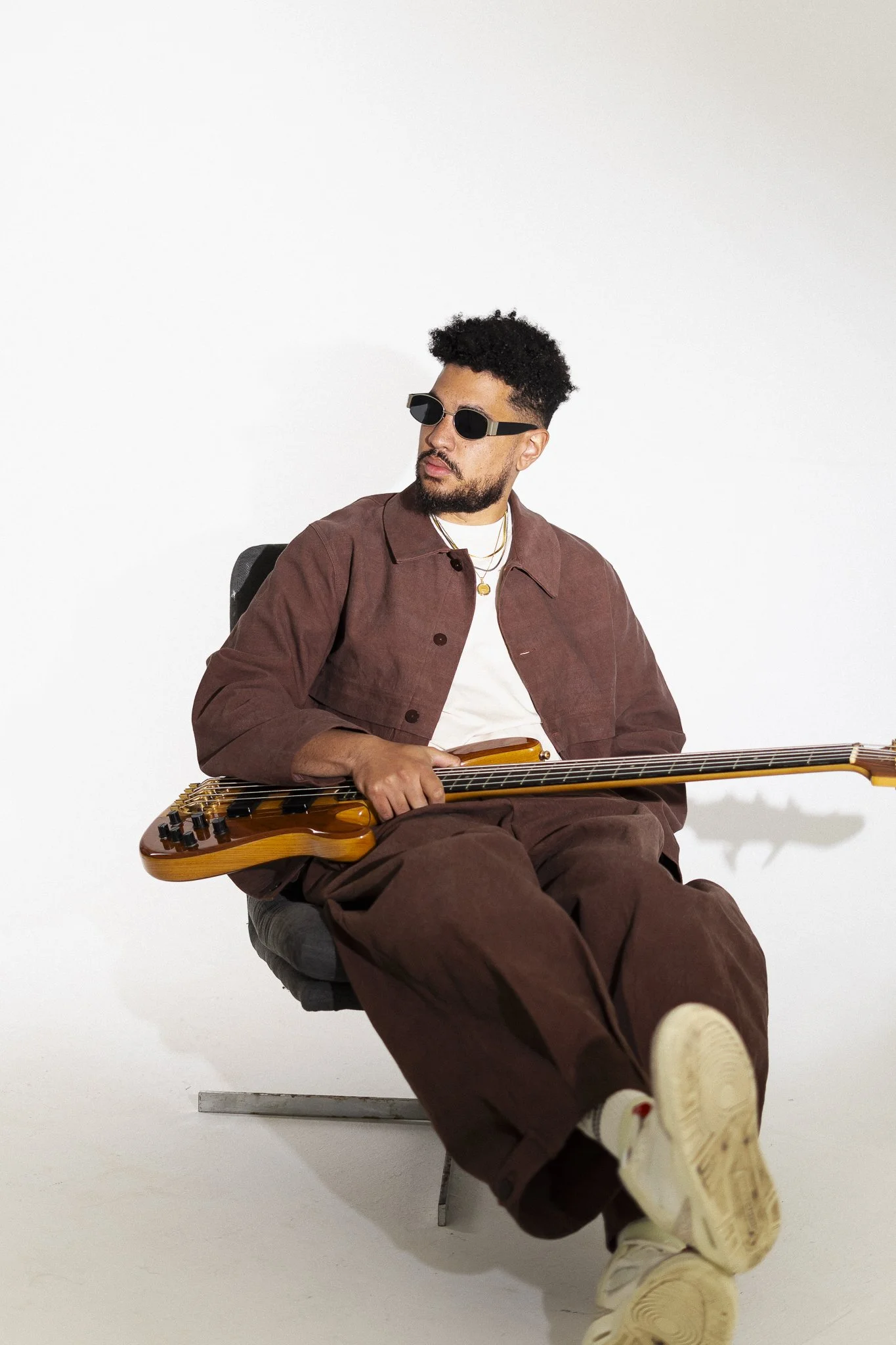
It sounds like form was central there, the decentering of eurocentric form- like a homecoming of formal process. 10 years on, what has happened over the last decade to inspire “Homecoming: Revisited?”
I guess it was a reflection on how much I've changed over these years, and all the different influences that have inspired me and the music, and kind of this immensity of gratitude for the South African jazz community- how much it’s embraced me.
I thought it was also paying homage to how much that album has meant to my artistic journey as far as establishing a framework for how I choose to create art.
There's like 20 different musicians involved in this album, and everyone is important to that idea of celebrating the jazz community, celebrating what was in the past, but also looking ahead to where music might go, where music might go in general.
Homecoming as a continuous process.
What was it like collaborating with so many artists?
It was fun. I always approach a lot of my albums with a producer's mindset, so often I prefer actually not to play and just to sit in the control room and listen and give out ideas. And this project was a lot of putting puzzle pieces together. So that was fun for me.
I think I bring the best out of a lot of people in this project, but at the same time, it became the best version of me.

Image sourced from Instgram // @benjaminjephta
I'm interested in how you managed to balance such a huge collaborative effort with imprinting your personal voice.
I think my personal voice is very much in the compositional aesthetic.
You know, incorporating sounds that I'm immersed in, like Afrobeat, amapiano, hip hop, into the music, and that amalgamation of how the composition comes together is very much my signature.
I still have so much to learn, but it is what I really gravitate towards, so that is inherently in the music. I think the curation of who was involved was very important to me, in terms of people’s strengths and alignments with what I was trying to do.
How would you describe your particular aesthetic?
That's an interesting question. I think it's Jazz as in my idea of like a black musical tradition, but it's through a lens of South African musical idioms or contemporary musical idioms. I think this specific album is a very good example.
Also, you know, for me, as a bass player, it's important for me to make the music feel good, and I do that by giving a good feel on the bass to groove, and so I think my music is very much groove-driven, and I think compositionally I like the process of putting different phrases together.
It's very close to what you would call minimalism in classical music, although this is not classical music, but it's like cells of ideas that, once layered together, create this full beat or groove that the melody sits on top of.
I wanted to ask you how you feel about the concept of genre in music, and specifically about your feelings around the term “Cape Jazz”.
Yeah, I've always struggled with the concept of genre.
I think it's because I like so many styles of music, and if I approach my art by trying to incorporate all of that, it tends to sound a bit genreless.
Even in reflecting back on my career, I think in some ways I did myself a disservice by trying to reinvent the thing that I'm trying to do every time I put out a new album, because people could never hold on to a distinct style to know me by. Which isn’t necessarily an issue in itself, but people like to box you in, you know, you lose people because they're like, oh, I'm not into this electronic stuff he does now.
On the one hand, I get annoyed when people call things jazz, and I would argue that in some ways, it's maybe not jazz, but it doesn’t mean it’s not great music, though.
But at the same time, I think I like the idea of people starting up in improvised music and then branching out in their various directions, over time, to incorporate what's important to them.
Going back to your question around the term Cape Jazz- it’s something I've also struggled with for a long time. The thing is, I think the Cape Jazz idea is more situated in identifying a people than a genre.
You'll find that often the term Cape Jazz is associated, first of all, obviously, with Cape Town, but then is associated with coloured people in Cape Town and the type of Jazz coloured people play in Cape Town. And I think in some ways, it's another way in which coloured people have been othered or marginalized in the South African landscape.
My album ‘Born coloured, not free’ sort of engaged this. I mean, I’ll give you an example.
I would say a lot of Ghoema and that kind of style is associated with Cape Jazz, and possibly I have a song or two that has like a Guma feel, but generally, I wouldn't say my music in that sense is Cape Jazz, but every time I've come up in a conversation or people mention my name, they’ll often be like: oh he does the Cape Jazz thing or he plays Cape Jazz. I'm like, but listen to my music, where do you hear, quote unquote Cape Jazz?
So, often, it just becomes a thing of “oh, he's a coloured musician from Cape Town, he plays Cape Jazz.”
It sounds materially essentialising rather than musically descriptive.So, where do you think Jazz is going in this country?
I think maybe it's going in the direction of this more genre-less domain, but I need to explain what I mean.
There’s this guy called Wynton Marsalis. He gets criticized a lot for his very staunch views around what is Jazz and what isn't. I respect a lot of what he does for the music because he does hold the essence of where the music comes from.
He has this definition of jazz, which I like. He says for something to be jazz, three things must be present
Firstly, improvisation.
Secondly, loose aesthetics. That’s kind of the spirituality context of the music and where the music comes from and what you're trying to say within the music.
Thirdly, swing, which is the feel, the rhythm.
I think jazz is, for many people, moving away from European aesthetics or the global north aesthetic of how these tenets are present. You know, what it means to have a Blues aesthetic, what it means to improvise- these things are getting rethought and reworked away from the global north.
You will find in the music today, there's still a lot of improvisation. It might not be from the Black American experience, but they use improvisation. There is a Blues aesthetic, there is this idea of spirituality in the music, what the music means. And the music functions as a ritual within a lot of African cultures.
There is this idea of swing, the feel, the time, the groove. Every continent, every group of people have their feel, have their time. And so all of these things in some ways are so present but have been decentralized from the American experience or the European conceptualization of them.
I think that's the way Jazz is music moving now.
Out of interest, what was the subject of your Masters thesis?
Oh, my Masters was kind of about understanding the context of my identity.
It was like an auto-ethnographic thing about what it means to be coloured in a post-apartheid democratic South Africa, and how I view myself, how people view people like me, and how that affects how we are in our society- and then reflecting that through music.
How would you explain the way that identity can manifest through artistic form?
I think it's inherent in just how we even consume and understand information and how we attempt to improve our craft.
I think we have different ways of being because of how we are raised, because of our immediate environment, because of what we value, and how we interact with people.
When we try to better our craft, our approach will be informed by that viewpoint, whether you went to an institute or not.
Whether you learned in a formal way or not, you're always seeing it through a personal lens. Identity plays a part in informing approach, even when you’re working via a ‘fixed form’.
Is there anything else you want people to know, especially about “Homecoming: Revisited”?
I think this album provides a unique stepping stone into what the South African jazz community sounds like and who the people are.
As I always say, even if you listen to the album and you're like, I don't really like the music, but I like this person on this song, and then you go check out their music- that's a win for me because it’s all about celebrating the community.
We’re heading in a direction with music in terms of the increase in streaming, where the artist isn’t really getting the best end of the deal. Live performance is really where a lot of artists make their income.
So, how people view artists, and how often they get to play live, really matters. So, if you can do something that helps an artist play a show, and if you can support artists in that way, then that’s a win, and it's very important to me.
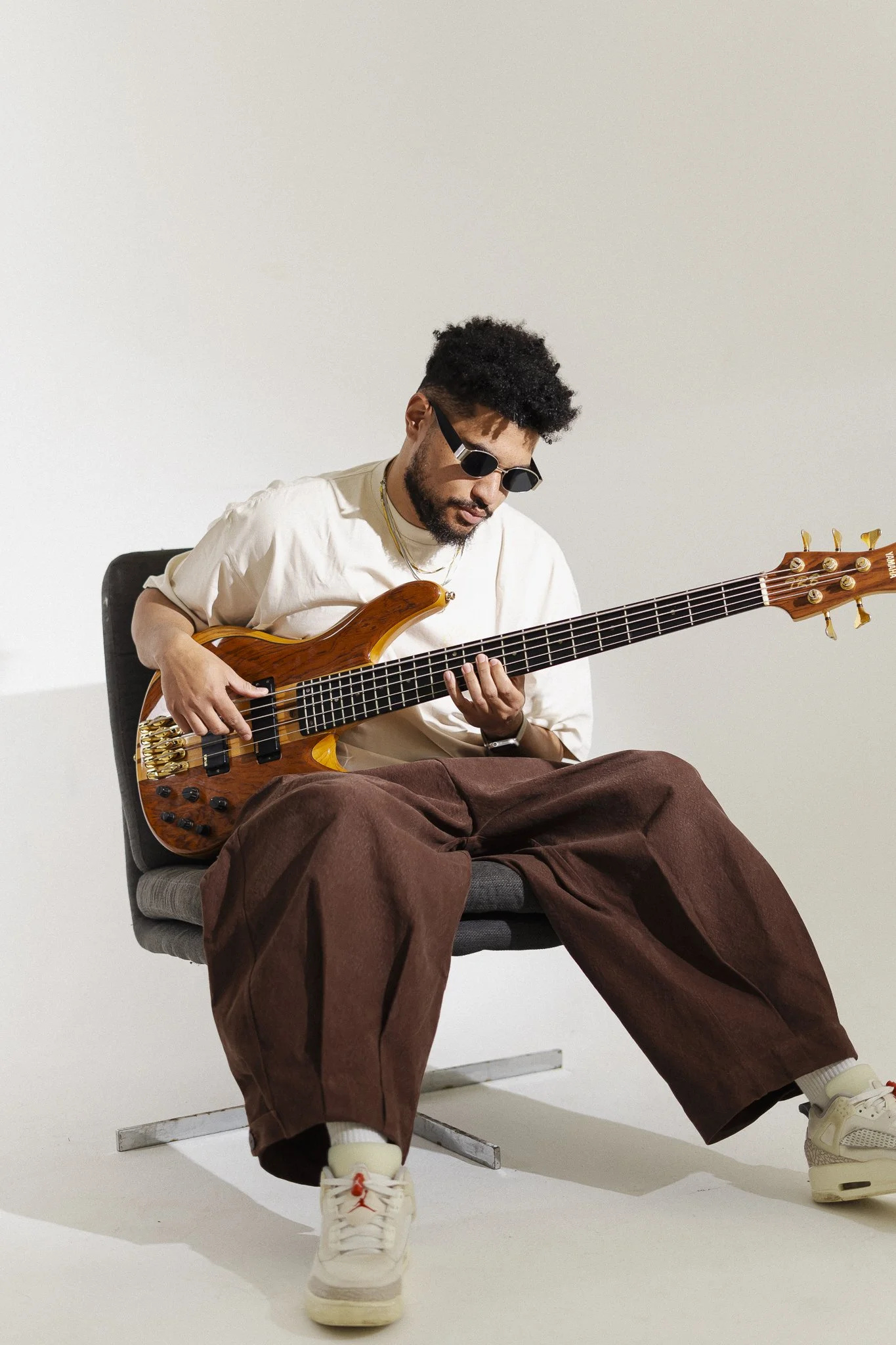
“Homecoming: Revisited” is an inter-form, inter-artist undertaking, and ultimately, a celebration and assertion of Jazz as a spirit and sound, affirmatively born in Black resistance in the global north, but not essentially belonging there.
In many ways this is not a departure from traditional Jazz but a reminder that Jazz has, arguably, always been a project dedicated to homecoming.