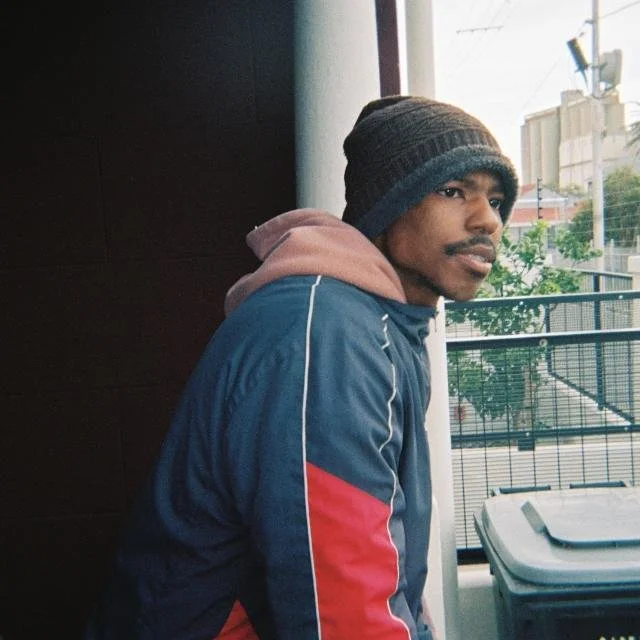
Exploring the voice in Cellz’ head

Cover Art for “The Voice In My Head”
With Cape Town being known as the destination for internationals over the past couple of years since Covid (for better or worse), we’ve seen an influx of foreigners calling Cape Town their new home. I mean look at all that it has to offer, I wouldn’t blame them. Along with that a couple of talented people hailing from different parts of the world join them looking to connect the bridge of creativity between South Africa and the outside, one of those being a German-South African saxophonist and amazing singer-songwriter from Munich called Cellz.
Ever since being introduced to Cellz you get a sense of someone who truly enjoys the Cape Town music scene and isn’t here to just take. My first encounter with him was at his and Kila G’s release of their performance video done in a swanky apartment high-rise of their single together ‘Not To Blame’, part of his album released last year called ‘The Voice In My Head’. Even just watching the video you can see he has spent time getting himself familiarized with the scene as a whole outside of connecting with just musicians .
I was offered the chance to have a sit down with him, accompanied by Kila G, just before he embarked on his second tour in SA, which was interesting to see the differences between local and international ins and outs of the music scene and his journey as a musician up till this point.
So you toured SA last year for the first time - what made you want to come back?
Last year we did my first South African Tour, the ‘Sonic Bridges Tour”. The name comes from me trying to bridge cultures between Germany and South Africa. That was February/March, and then my debut album dropped in April - “The Voice In My Head”. I figured that networking is really what really works for me here, and the music scene is fond of my style, of my art. Not to mention that I'm half South African, my mom's from here. I love being here. So I’m trying to develop a second home for myself here, while developing my career at the same time.
What would say inspired the name of the album, and subsequently the tour?
It's just because of the song 's lyrics, which came to my head and the track felt like the title track to the album.
For the song though, I was just lying at the river with my ex-partner. She was reading back in Munich and then I thought, okay, let me listen to some beats. There was this love story obviously going on with her, where it's like the first line and at the time I felt we were destined for each other. Which is why I say “every time I ran / she would follow me / I didn't dare to choose her / like my family. Every time I lied / she could see right through me / she's my judge and my referee.”
I figured all that also works for the voice in my head and I shifted while writing these lyrics. I don't want to write about a girl, but actually about the voice in my head, because I'm just talking to the voice in my head while writing this. Yeah, and then I revealed it in the chorus.
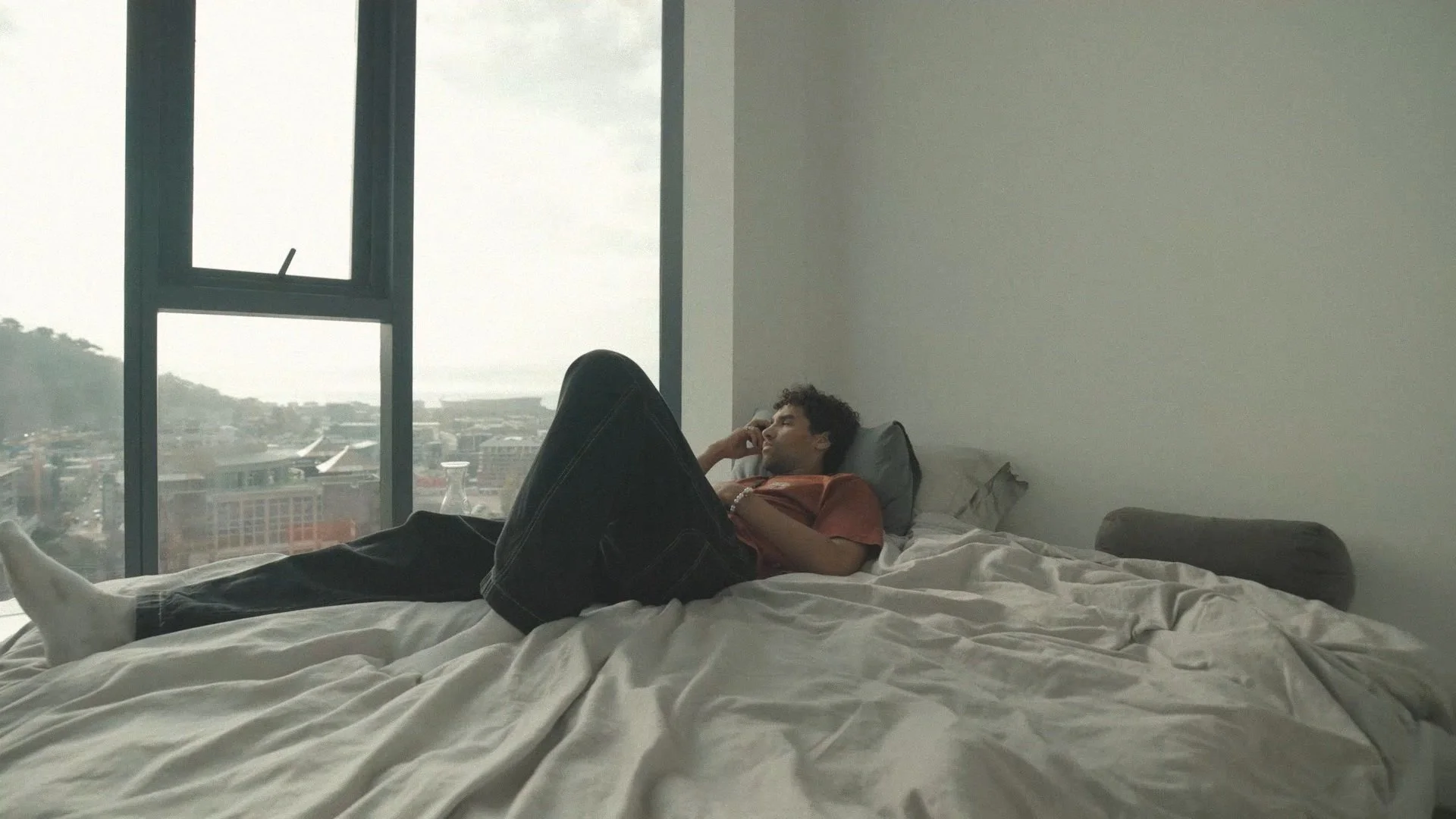
Captured by @thefullframefox / Instagram
How did growing up in Germany inform your musical style? And how did playing here change that?
I like to play my sets pretty well-structured. I love improvising when there's space for improvisation, like solos and stuff. But otherwise, I want every single band member to know exactly what they want, what they have to do in each section. So I’m very involved in the arrangement and with what the band is doing, for my sets.
I think it’s less about growing up in Munich, but more my life in Munich really which affects my style of music or how I approach being a musician. I grew up in the events industry - My mom has a catering and event business, where she runs events between 50 and 2,000 people, with food and beverages. So my mom taught me to be a problem solver, literally. From the age of 13 I worked with her, until the point I became an event manager, a role which had me executing and running the entire space. Because of that, I’m a problem solver. If there's a problem on the floor there's no space for feelings, the problem needs to be solved.
So it was more my upbringing in Munich which really made me become a problem solver and a manager. I micromanage everything, which is why I want arrangements to be a certain way. If you work in the framework of controlled variables, if you know everybody will hit that note at this point, everybody can now focus on how they want the note to sound - you can focus on the actual detail. We can think about how we want this tone to sound, we can think about the dynamics, the intonation, and everything else. There’s space for so much more as a result.
I’m basically a self-managed independent artist, so this is how I think.
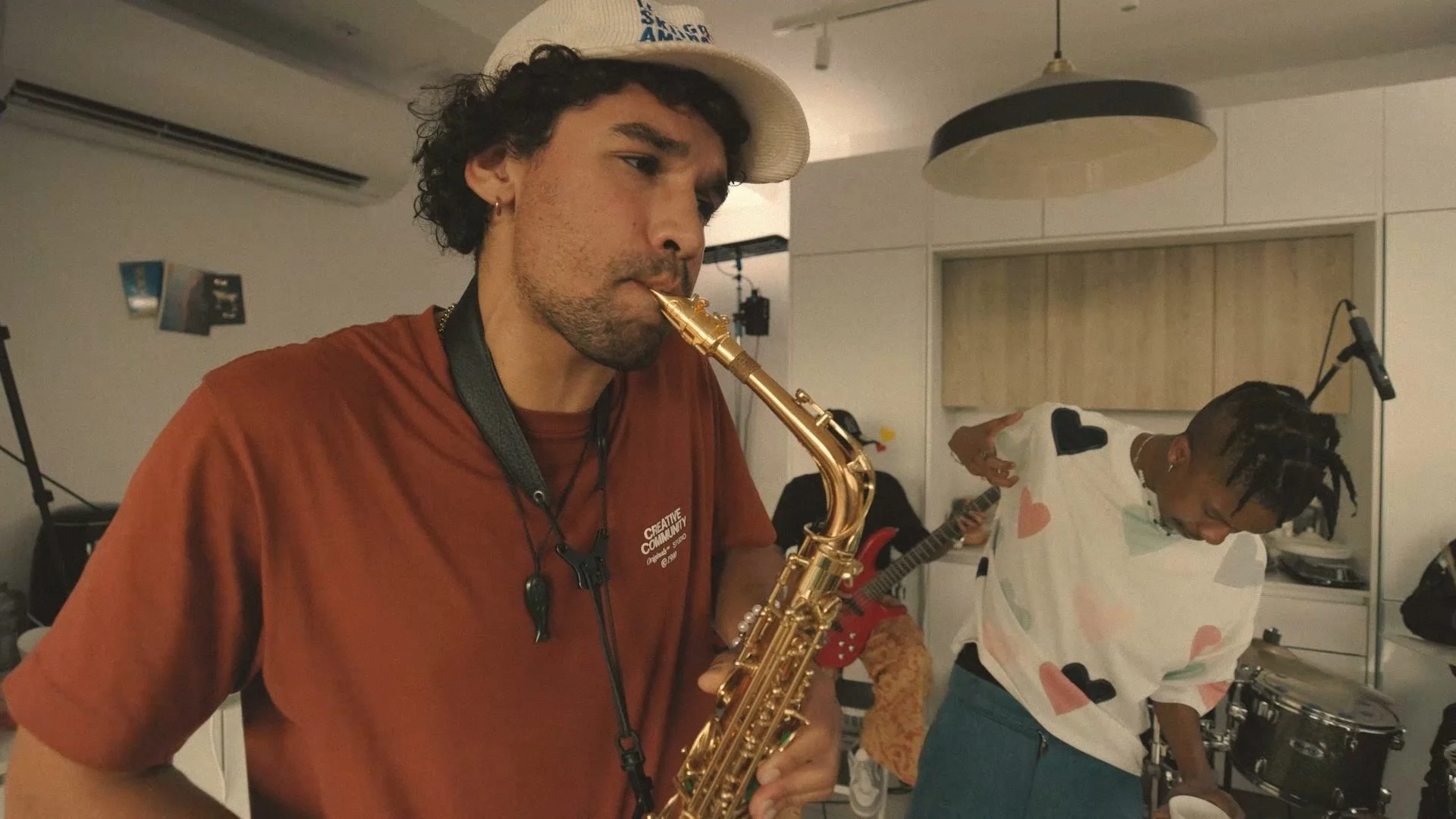
Captured by @thefullframefox / Instagram
Would you want to be signed to a label?
Artist management is like a thing between booking and management. Usually if you sign with a label, they'll sometimes provide you with an artist manager. I guess it all depends. Like right now, I get to eat the whole cake, but the cake is pretty small.
But I'm happy to give away 50 or 60% of the cake, because if I have producers, managers, and bookers, if you add it all together, it's a big number. So I'm happy to give away a big piece of a way bigger cake. So if they get me more work, you know, if they give me creative freedom, get me onto stages. I'm a very hands-on artist, I’ll do half of the work anyways. So I’d say, yeah, I'd like to be signed - as long as it's not exploitative.
What was the booking process like here compared to when you play gigs in Germany?
I’ve never played a tour in Germany. I'd play bigger events, which are run by the city - small city festivals. I have a good connection to the Munich City Council, and they always book me for public events, with international customers, because they want to portray music as international. I’ve played the European Track and Field Championships, which is a free festival and a lot of tourists come. There’s also an event called A Touch of Soul. That's twice a year,
I don't have any success with writing a million emails to festivals. It’s also a bit more challenging there because R&B is a very small niche, it's not like here in South Africa.
What was it like putting this tour together?
Cellz: I started planning last August already. I really tried to make sure that everything was set up months before, but most of it is out of my control. I put in so much work and so much effort last year and now we’ve proven, we have this video. Which proves we can actually get high quality content, you know? It would be a great opportunity for a sponsor to spread their name, because there's a lot of exposure happening, a lot of reach.
So I’m a bit bummed out that we didn't get to have a brand take us seriously on the opportunity. But this is what it’s like being an independent artist. It always feels like you take one step forward and then two steps back. You’re waiting for the day when you can secure a win. But then it's just obstacles, obstacles, obstacles you know?
Kila G: I guess mentally it's about being prepared for those steps back. Because those wins feel so good, at that moment. But then the lows come, and it makes you feel like “damn should I keep fighting for this?” But that’s the prep we have to do - there’s always a way to fight for this. This is just prepping us to do this thing for the rest of our lives.
Cellz: I think what I also tried to say was, like, in terms of sponsors and people that want to work with us as brands, I had the sad realization that either you’re chasing, or you're being chased.
You can be in people's faces with just virality and incredible numbers, but the brand you sell, it doesn't even count.
I mean, positively, we have a producer, an award-winning director who's on our team. He's got our back. He’s like we're doing the next one. We can imagine even better. So obviously there's these small wins, but I guess, like, the numbers thing - where's the result?
You have to really accept the investment phase in music, and art. And until you get the return on your investment, you'll wait.
Kila and I were looking at the Grammy Winners, and a lot of them have been releasing music for 10 - 20 years before winning. So that really puts it in perspective for us. But I think everybody's doing well. I mean, it's a nice life, don't get me wrong. I'm super grateful - I’m doing what I love and I’m never bored.
Kila G: I think from the outside, the signs are aligning slowly. It’s going to take a couple more years to get to where we want to go. But with consistency, and with intention, we’ll get there. Because there’s proof. There’s a lot of proof. Proof of the amount of work that we’ve done, proof of the collaboration between SA and Germany. As long as there's intention and timing, we’ll get there.
Cellz could have easily blown up and been signed. But sometimes labels can take away your happiness, you know, just to give you money. They can take away your freedom.
Cellz: And it's also good to have time to build our expertise. I'm in a position to learn what these people are talking about and to understand the business side of things very very well. It's also preparation, you know. Maybe one day I want to start a label. And I'm really interested in the business side, so I'm happy I have an opportunity to lean in there and learn all that stuff.
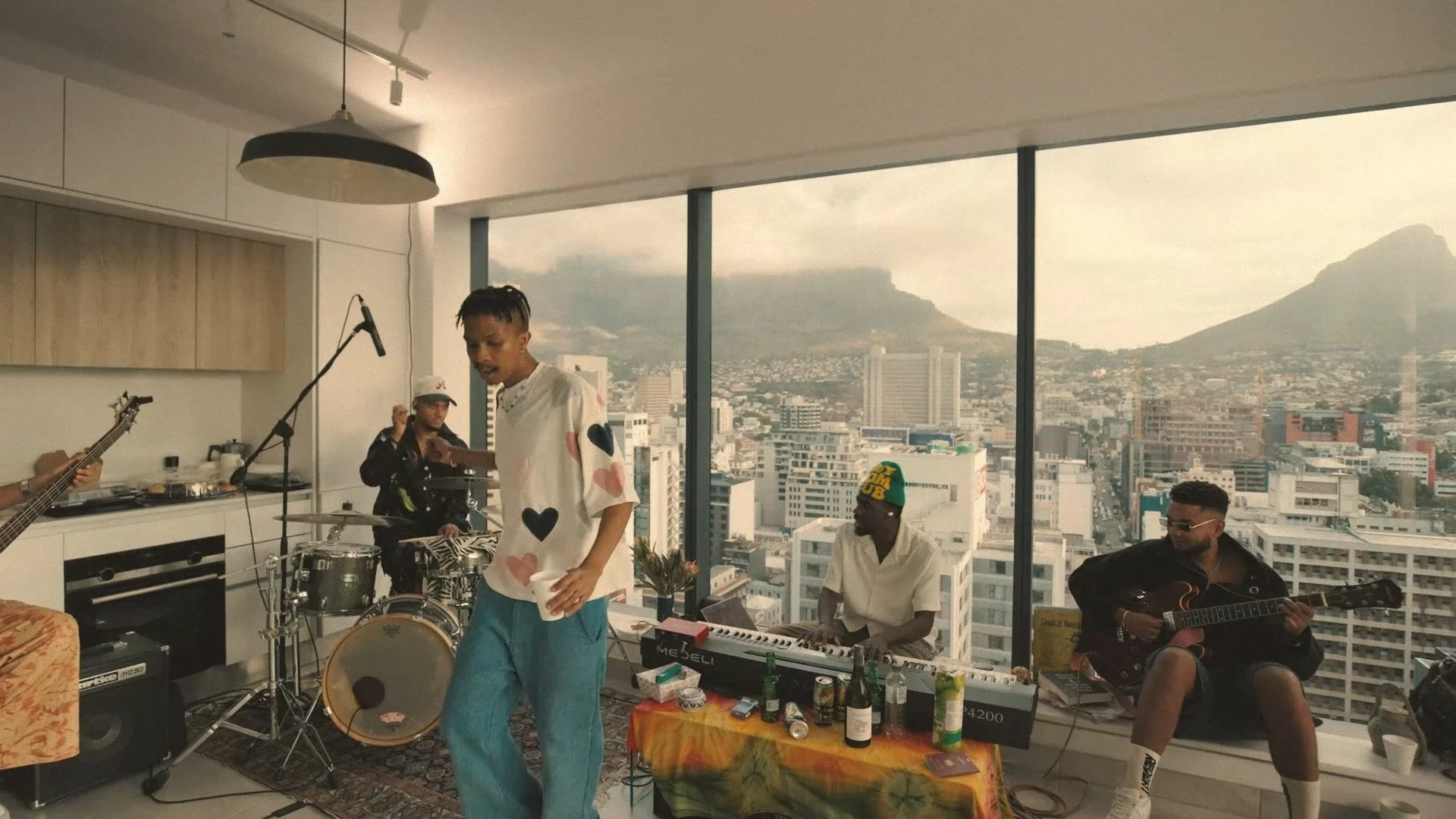
Captured by @thefullframefox / Instagram
How did the relationship between the two of you start?
Kila G: We performed on the same line up one time and I saw Cellz just playing one man with his laptop, and I was like, this is really dope. So we had a conversation and we started talking mainly about working together. But then that working relationship started becoming more of a friendship. I met his mom, he recently met my mom as well.
It was really, really cool spending time with him as well. He taught me a lot about what it is to be German. And I also got to share, like, my life experience of being South African. I mean, he is half South African as well, but like, he doesn't live here, so you know, just knowing the norms of things.
I think that's what put us together, and we made one song together called Not to Blame which did really well. for both of us, and that song basically explains our difference between the 2 of us. \
We're all about collaboration as well. And I think that's what brings us together. Being on this tour, especially this one, I'm learning so much from the process, learning how to curate it. It’s my first time being on a tour, being involved at the rehearsals and everything, like that, seeing how things sort of work - I'm learning a lot in the process.
Our friendship is based on just realness, honestly. Just keeping each other accountable, you know. We do clash sometimes, you know, but that's only because we're friends first.
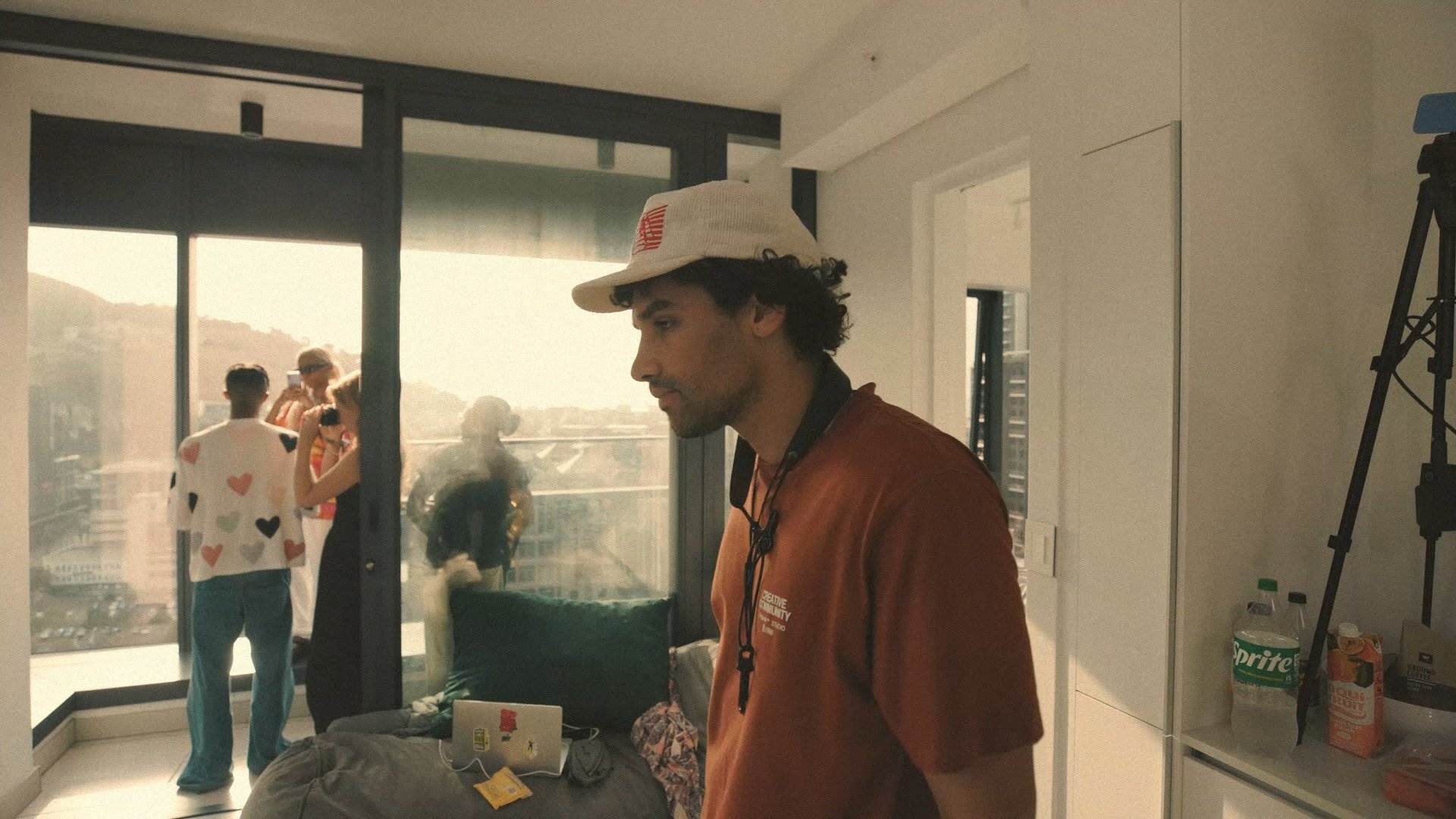
Captured by @thefullframefox / Instagram
Doing some research I came across something called F.I.M.U, can you explain what that’s about?
F.I.M.U is my German alter ego, it’s German music. German lyrics, but a lot more poppy than what I make as Cellz.
I dropped my first EP now and my first song. I was playlisted by a major radio station in Germany and went well on Spotify and on the shows with people just waiting for it, because in Germany I'm currently mixing up both of them. I'm actually also playing it on this tour.
That's going well and I'm working on my first album for that project as well. It's obviously my first language and I have way more slang and a bit more character, and I can express myself differently in German.
Besides Kila, what keeps you coming back to SA?
I need to feed my African soul. A friend of my Mom’s said to me once “Marcel, you really have an African soul, you should live here.” That was like 4 years ago, and it was nice to hear. And since then, I can feel it a little bit, you know.
Germans are very reserved. And not as warm, and it's not so easy to become friends with strangers, And here you just kind of talk to whoever. People are just very open. So basically I'm trying to see if I can make South Africa my second home and live between here and Germany, staying connected with my family, my roots. And living in a beautiful place.
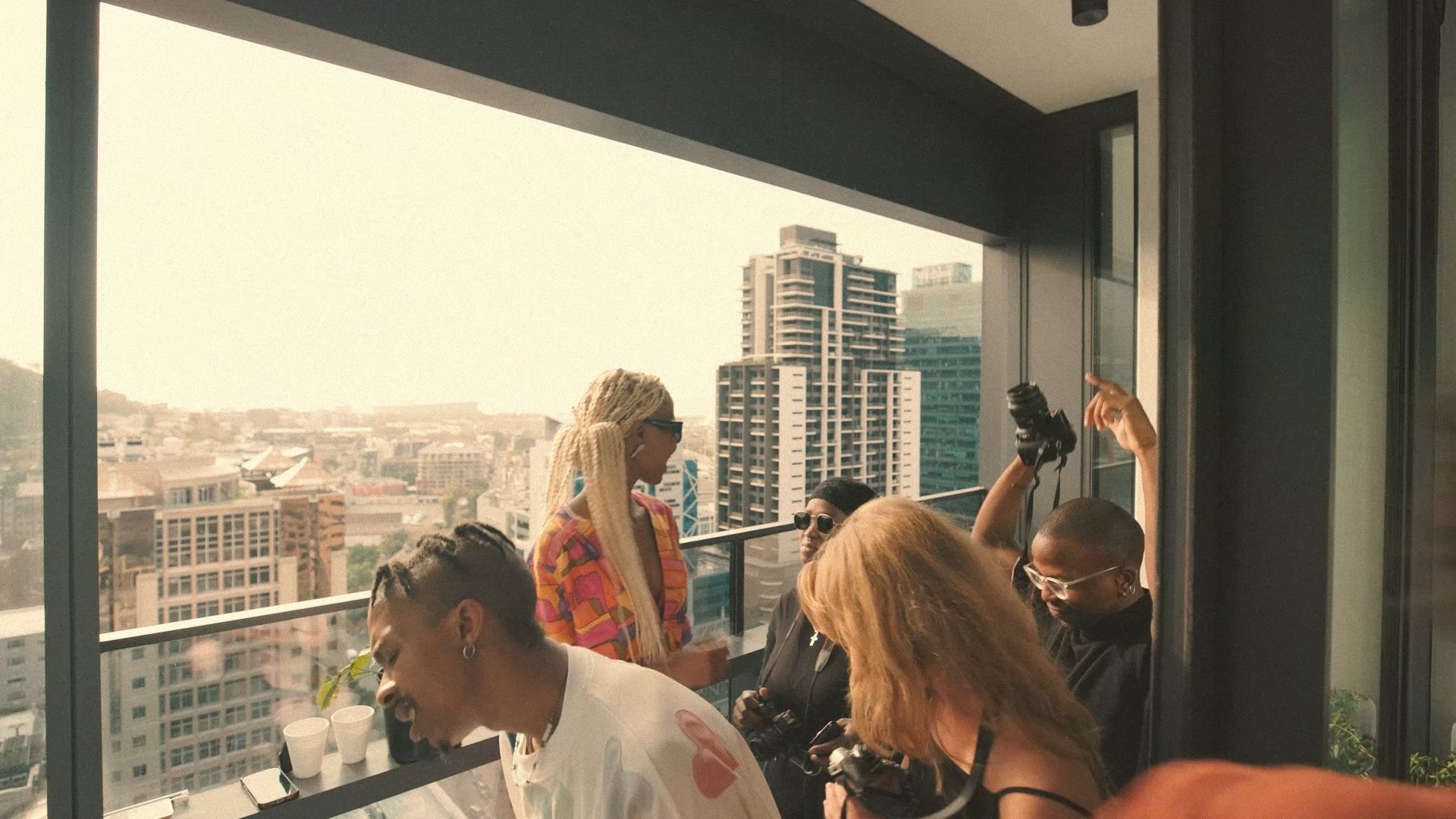
Captured by @thefullframefox / Instagram
The feeling of belonging somewhere or feeling like there’s a piece of you that could exist somewhere else is something we can relate to to some degree. That is amplified when you’re trying to make your way through the music industry, especially at the independent level, where it’s of utmost importance you find a way of translating who you are to an audience and potential partners. So it becomes important that you show respect and aim not to take, but give to this new land you want to consider your home.
Sitting down with Cellz and the interactions we’ve had since this interview, with him joining our panel discussion at the Bridges for Music Academy, I can comfortably say that he is looking to contribute with what he has to offer, while simultaneously trying to learn about his South African roots.
At the time of me finishing this piece, Cellz has just finished the Cape Town leg of his tour and will be starting the Johannesburg leg in a few days. Having gone to the show at the V&A, I would highly recommend checking him out at one of his shows.