looking back at ‘hindsight 2020’
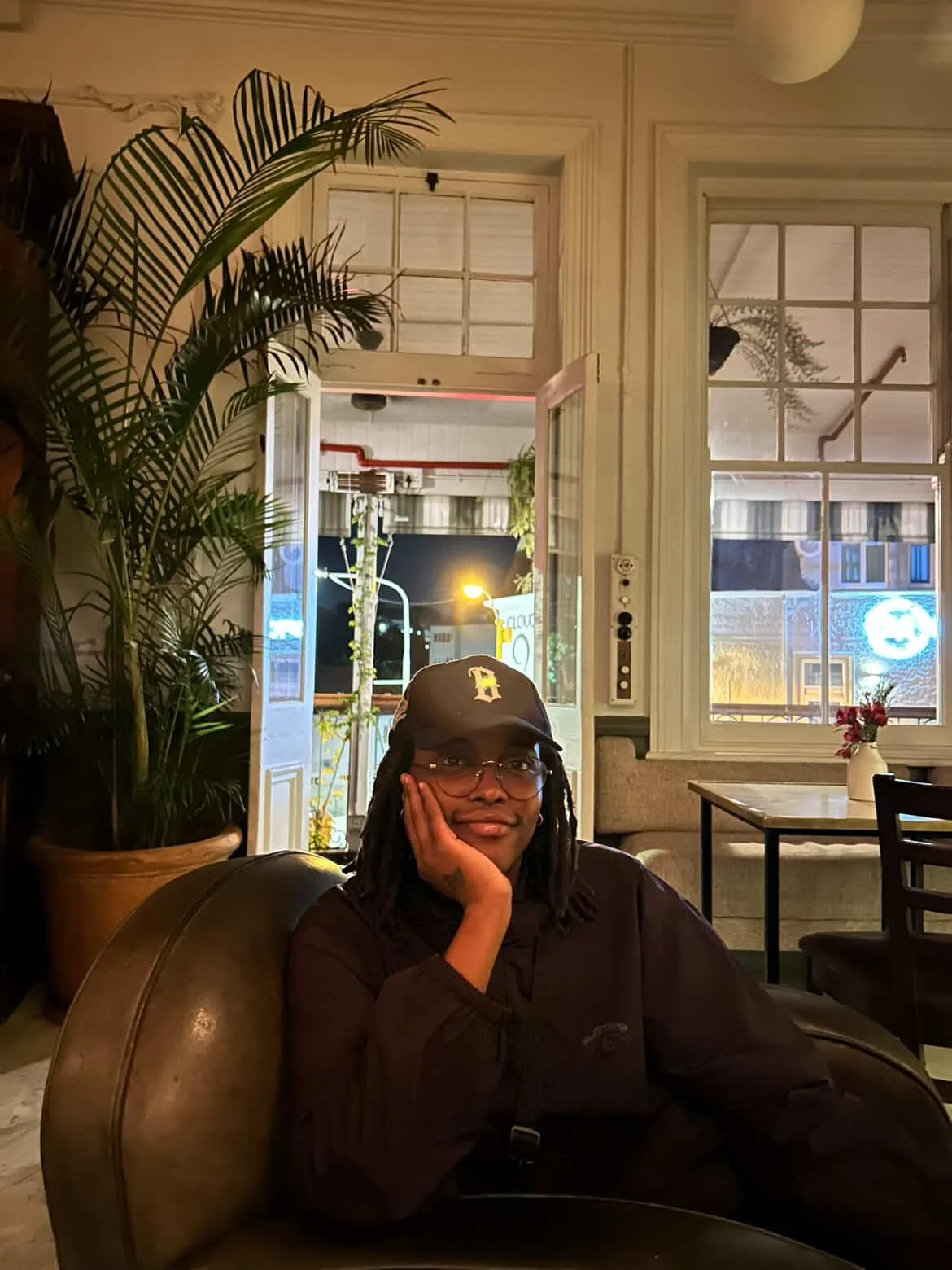
Interview by Sivu Genu
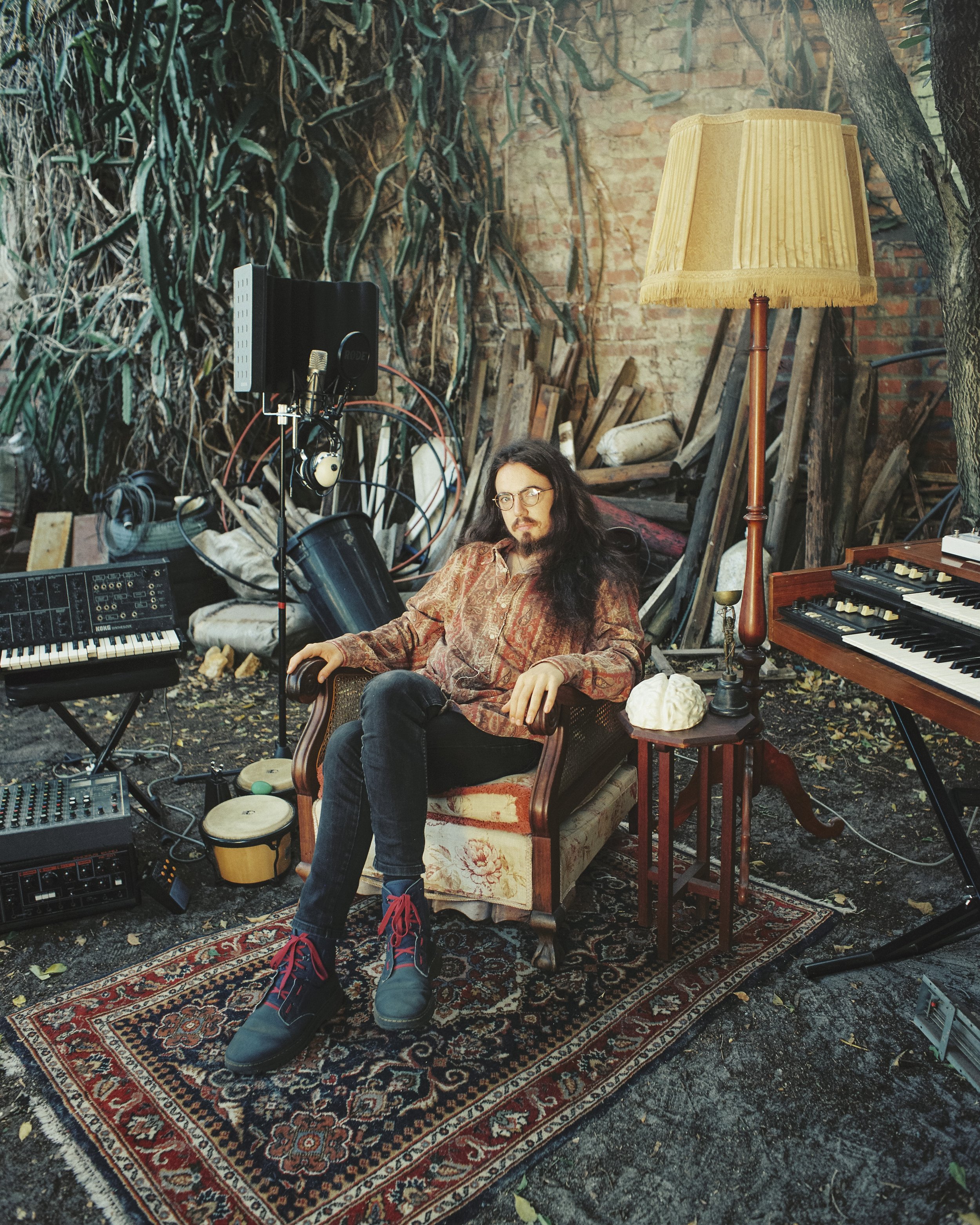
Photography by Joshua Stein
I was first introduced to Benjy’s magnetic, intrinsically collaborative energy during Zackie Achmat’s campaign. He immediately struck me as someone driven by endeavours rooted in communal upliftment, carrying an energy that felt tethered to something echt & sincere.
You can imagine my surprise when I later discovered that what I was sensing was a quiet camaraderie with a fellow artist who was already well on his way to securing a SAMA award for an undeniably delicious body of work.
Naturally, this compelled me to embark on a little artistic discovery of my own - to learn more about Benjy and the world he has been building through his creative practice, most notably Hindsight 2020.
You've been running around the city for a while now, and, looking at your bio, I see that you've had a part to play in a lot of bands in the city until, eventually, in your own words, something spoke to you. What would you say it was that spoke to you, that made you decide, okay, this is the time? I'm going to commit not only to “Hindsight 2020” but to Francis Soal as a whole? Were those two things mutually exclusive, or did they sort of come married together?
Definitely the “Hindsight 2020” name came first - the idea of an alter ego wasn't the first thing that came along.
The album itself had been conceptualized since 2019. I've always played with bands, which I still love doing. In 2019, I had just started playing with The Rudimentals, but in that case I was contributing to an established band. Those gigs are a lot of fun, and I enjoy playing the music, but I'm less of the driving force. I had also been playing with Coriander Colin, where I did contribute some songs, but that was also ultimately a collaborative process of building a shared vision for the band.
So from 2016 to 2019, while I was writing these songs, it very much felt like the songs I was writing wouldn’t fit into a band. Or rather, they were something I wanted to say as myself, rather than mix it with the band’s identity and have it said collectively.
So that's where the drive came from - I was writing these things that felt like they needed to be said by me. They then kinda formed together as Hindsight 2020, and only in 2024 did I really decide that I was going to release it under a different name. ‘Francis Soal’ came as a product of wanting to put music out in the world, and to still have it be mine, but to have a bit of distance from ‘Benjy de Kock’ and my professional life in the industry.
You say that you wanted to write them as yourself, as opposed to writing it for somebody else. And I think it's very apparent in the work as well. While I was listening, I was trying to pinpoint one genre but I found I couldn’t pinpoint a specific genre which ‘Francis Soal’ falls into. I mean, something as boring and as obvious as fusion is not what I would say it is - I guess it's a bit more complex than that. So what would you say your thoughts were when you were creating Hindsight 2020? When you were going through the creation process, through the music, through the sound, the sonic profile?
I guess there's a distinction here between the writing of it and then the recording of it, and they kind of both happened in seperate four-year periods.
I wrote the album between 2016 and 2019, at which point I was doing my undergrad and honours degrees. I was doing politics and philosophy and economics, and I was deep into stuff about the philosophy of digital identity, especially the question of ’what are we when we engage as human beings with each other on the Internet?’
I was doing my thesis on that in 2019, but I was also just thinking about it a lot. That four-year period just so happened to track with American electoral cycles, and it was a particularly rough time for a lot of people. Brexit was happening, Donald Trump was elected for his first term, locally there was #FeesMustFall, and I was in first year when all of that was going on. It was a very awakening, disruptive, and inspiring time, but it was also a confusing and complex time.
The album has you narrating the entire story, and as we go through it, there are certain things that you're saying - do you feel like the angst that you felt while you were writing it is something that you still live in at the moment?
So I guess that’s the next four years I referred to, right? The compositions remain as they were written in 2019 - there was a feeling throughout the process of foreboding and anxiety. And then in 2020, when Covid hit and the world turned upside-down, I was like, okay, now 2016 has finally ended. It was all a long setup for this. In 2020 we had just started our studio, Concept Records. So from 2016 to 2019, I was writing the album, and from 2020 to 2024, I was recording it. And I definitely felt different.
It was very different to the four years while I was writing it. Those shifts are reflected in the recording - what you're asking about the genres and the soundscapes and the like, ‘what the fuck's going on’? - that was intentional. That was what I was exploring and really pushing while we were recording it.
There are a lot of themes that the lyrics speak to, which I think were universally felt, especially during COVID. Isolation, not feeling connected to people even though you're talking to them every day on the phone, being anxious about how messed up the world is, you know - all of this stuff was very much on our minds, and we were all feeling so disconnected and struggling to connect with each other through our phones.
And so the album speaks to that, but it was written almost in anticipation of it. Even from 2019, I was saying that “I’m working on my debut album and it’s called “Hindsight 2020” - before we even knew the context the year 2020 now holds for us all.
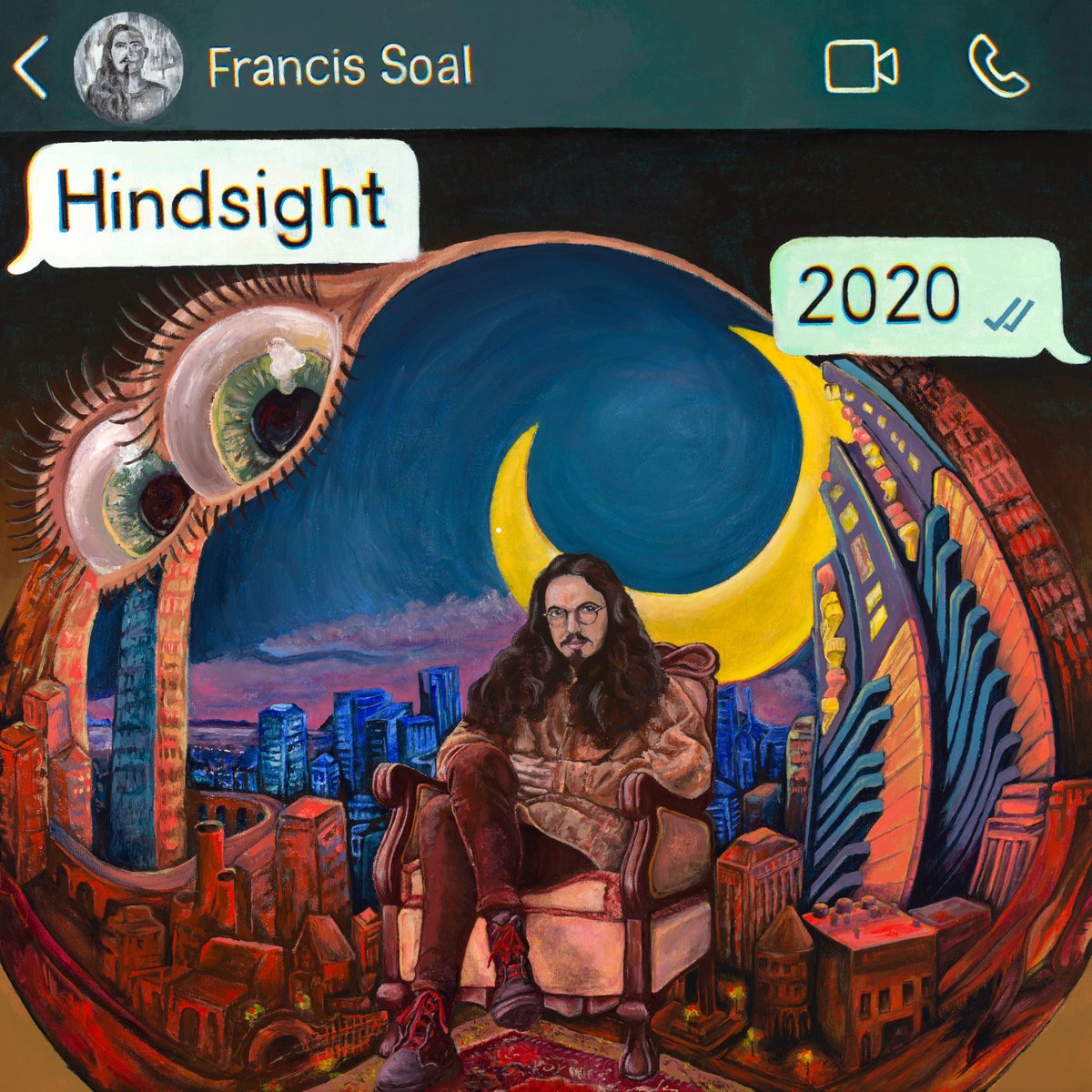
‘Hindsight 2020’ album cover by Maeve Fourie
At what point does Francis Soal stand alone from “Hindsight 2020”? Because for me, it feels as if “Hindsight 2020” was this very long, beautiful journey.
Well, the idea of putting out the album came first. But in terms of where it goes from here, I would like for Francis Soal to release other projects beyond “Hindsight 2020”.
In 2019, when I finished my thesis, I decided to delete all social media under my own name. You won't find me on Facebook or Instagram or anything under the name Benjy de Kock, because a lot of the stuff that I explored in my thesis was about the concept that we only live in the moment we are in, in the present. But when we put stuff online and when we share things, what we’re really doing is representing ourselves across millions of devices.
And so I think that the invention of a self is something that people on the Internet do all the time. What I'm doing by creating an avatar like Francis Soal - by giving a different name to myself - is allowing it to be an alter ego that has many shards of myself. I've put a lot of the person who Benjy really is into this album, but it's got a different name because it's not really me. It's this entity, this thing. It's this idea of a person that exists for the purpose of releasing music.
I would love to release music in the future, and I've got other songs in the vault. There's more stuff that can come. I’d love to play in other projects and continue releasing with other bands. I've always been a collaborative creator, but it is nice to now have an outlet for myself that exists online, not under my name, but in a way that I can put out my stuff.
When it comes to the world-building of the album, why did you choose to both close and open the album with “Stretch”? I'm looking at my notes now, and I said, ‘This sounds like something has just ended, but it also sounds hopeful as well'. It's a foundationally hopeful song, with an overwhelming feeling of dread attached to it. Why choose that song to open and close the project?
I mean, on the one hand, there was something about the timing of it, because it was the first song I wrote from the album. I wrote it while I was still in high school; all the other songs were written between 2016 and 2019. So that started my thinking, you know, I started with the earliest one - not that the rest necessarily followed that chronological order.
I really like the ‘hopeful yet foreboding’ way of putting it because, yeah, it's a happy song. It's happy, it's accessible, and it sets up for what “15 Leaps” is. Because I know that this music isn't for everyone - or rather, it is for everyone, but I know that some people can be quickly turned off by music that's too complex or too much. So if you give yourself to it, it's not gonna chase you away or challenge you too quickly, but it'll hopefully welcome you into the album.
The song is called “Stretch” because my hands have to stretch across the piano really wide to play it. And there's something about stretching and starting a workout, or exertion. The point of stretching for exercise isn’t to work the critical muscles - stretching is what sets your body up to pull that muscle. From the listener's perspective, the same applies - the goal is to play with time signatures, but to start with getting our hands warmed up.
It sounds like a movie soundtrack. It sounds like its own thing, but it also sounds like multiple things at the same time. It’s kind of like saying, “This is Stretch - this is a little bit of a starter to comfort you into coming in here. But then once I give you all of this, there's these things that I need you to feel.” It feels like the soft cotton on your arm before the nurse gives you the shot.
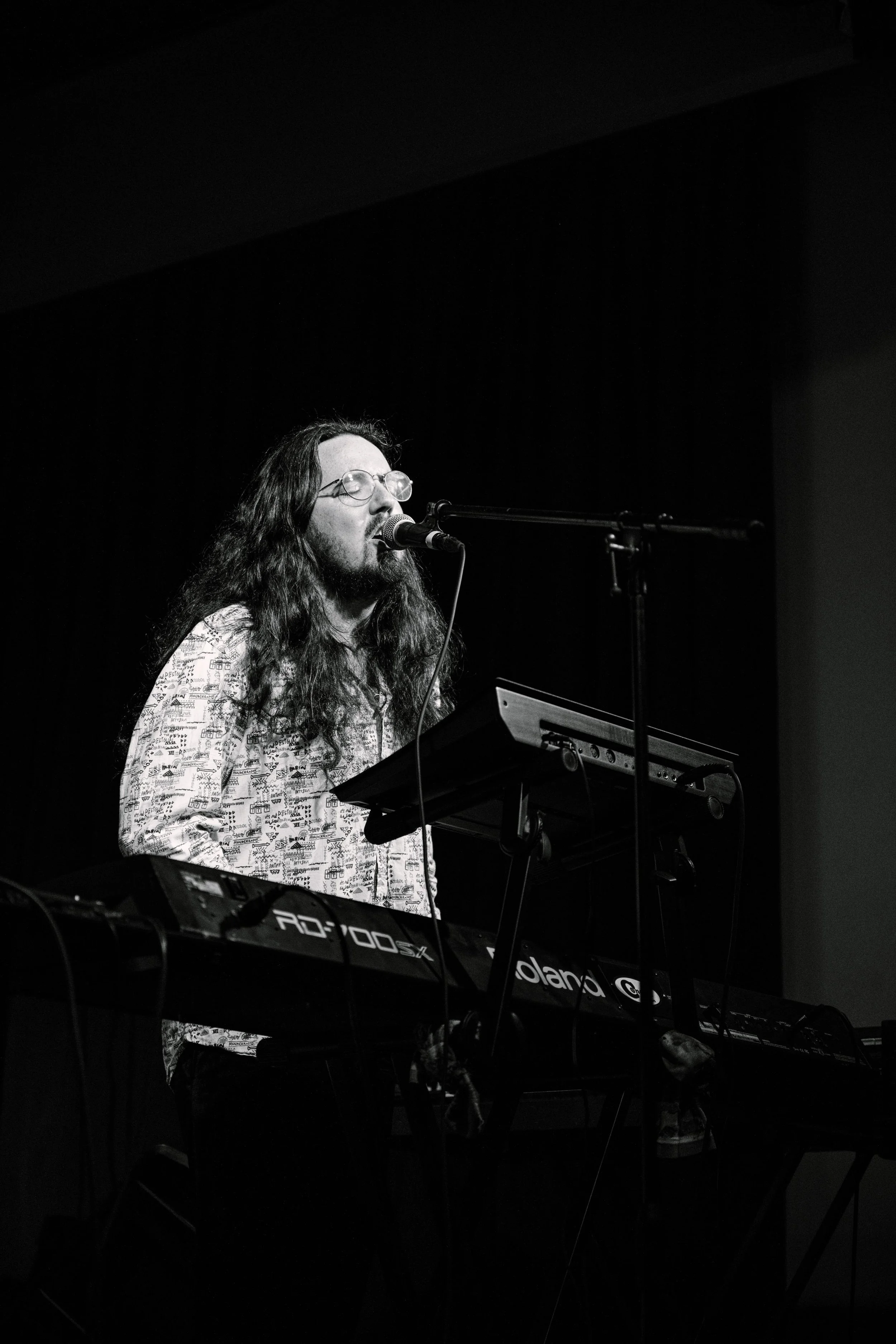
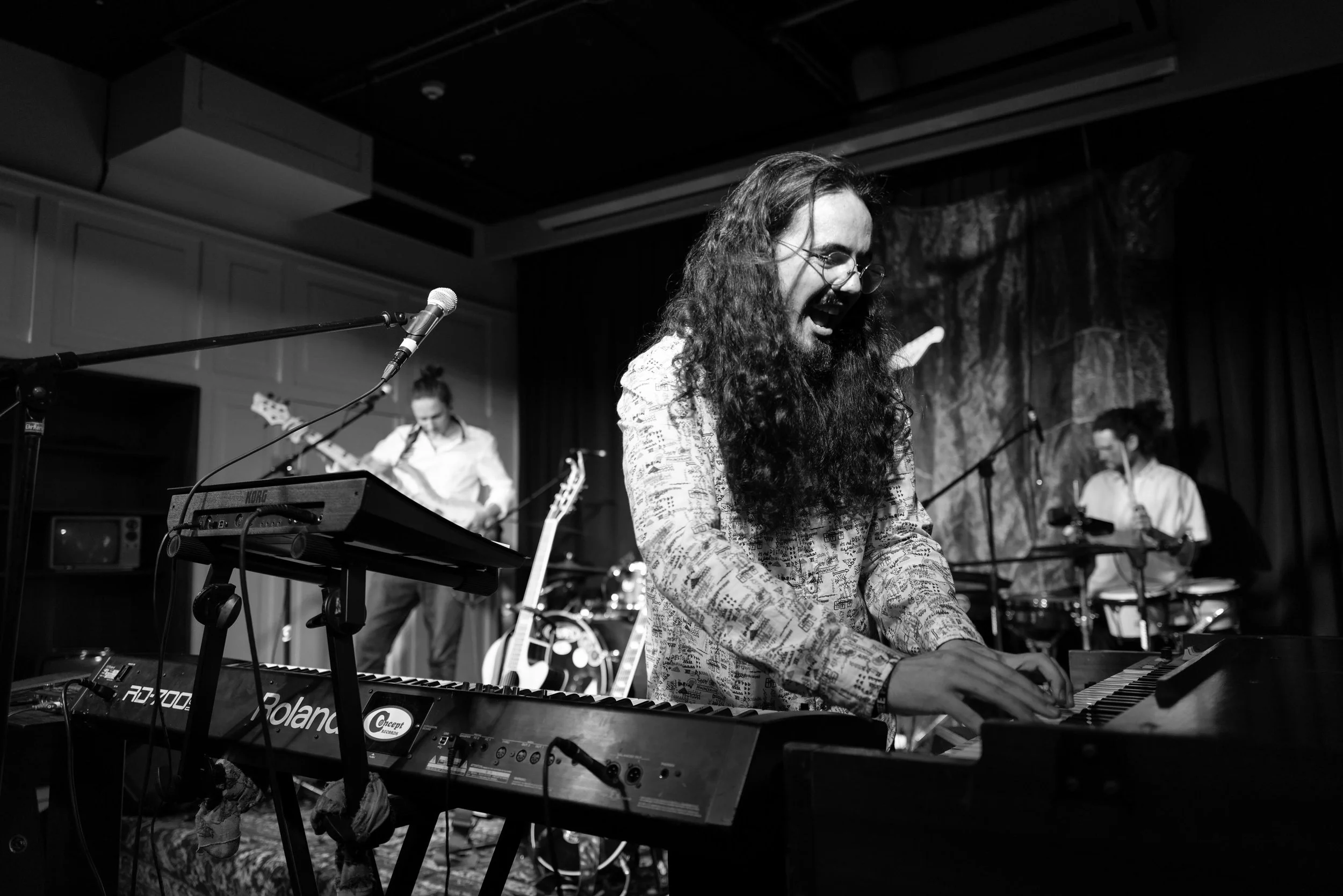
Photography by Gary van Wyk
When you're writing this type of music, at which point do you think to yourself, “I'm doing this because it makes sense musically, or I'm doing this because I'm trying to stretch myself to see what the hell else I can do with this one thing”? At which point is it just like an artistic decision which you make that's going to make the project feel much more of a message that you try to create?
I think for “15 Leaps”, if it was a flex, it was to myself to say “Yeah, I can do this”. It's intentionally complex, and it was written with an eye to the patterns that are inherent in the particular melodic and especially rhythmic elements going on there.
I had an opening line for the verse, which was a feeling I was having about WhatsApp. I had an idea about how the time signatures of three and five fit together, because they come together every 15 beats. So it was about those two seperate ideas - about being blue ticked, and on th eother hand I was asking myself ‘how can you feel a waltz and a complex 5/4 rhythm at the same time?’
That was the starting point, and then from there, I was like, okay, now it needs a riff - so I wrote a riff and then was like, well, where do we put that riff? What if we do five over four for the next riff, and then what if we do five over six?
That was the most like excessive exploration of where the song can take us. It’s got time signature changes, that's the most like prog rock, which is usually the easiest genre to define my music as.
What are your plans for the project going forward? You’ve worked so hard on this project, and a year after release it’s gone on to receive crtitcal acclaim. What are your plans to extend its shelf life?
October 2024 was one of the most intense months of my life. There was a whole lot going on around me, including obviously running the studio, but the launch was almost entirely driven by me. I had a lot of support from the people around me, but I ultimately had to manage everything from the marketing to the organizing of the gigs to everything else. There's an inevitable flop afterwards, especially in the age we live in, of independent releases on major multinational streaming services, where all you get back are some numbers.
I checked this morning, and I've got about 1500 streams on my songs, you know, cumulatively. How do you hold that feeling when we spent more than that many hours in the studio? And I know it'll grow over time, but there's a degree to which the industry we exist in now is, I guess, quite brutal for any creative act.
In terms of plans, yes, I want “Hindsight 2020” to go further, because it's been at least four years of work, and it deserves more than just a month's worth of plugging. But even more so, I want the music to travel beyond the good friends that I have and the amazing support I’ve received from all these people we've worked with at the studio.
The mission now needs to be for the music to meet people that I've never met, and for that to be their first point of entry to Francis Soal'. I would like to see it go further, and I would love to also look at other music that I have that I'd want to release, you know, hopefully in less than four years from now.
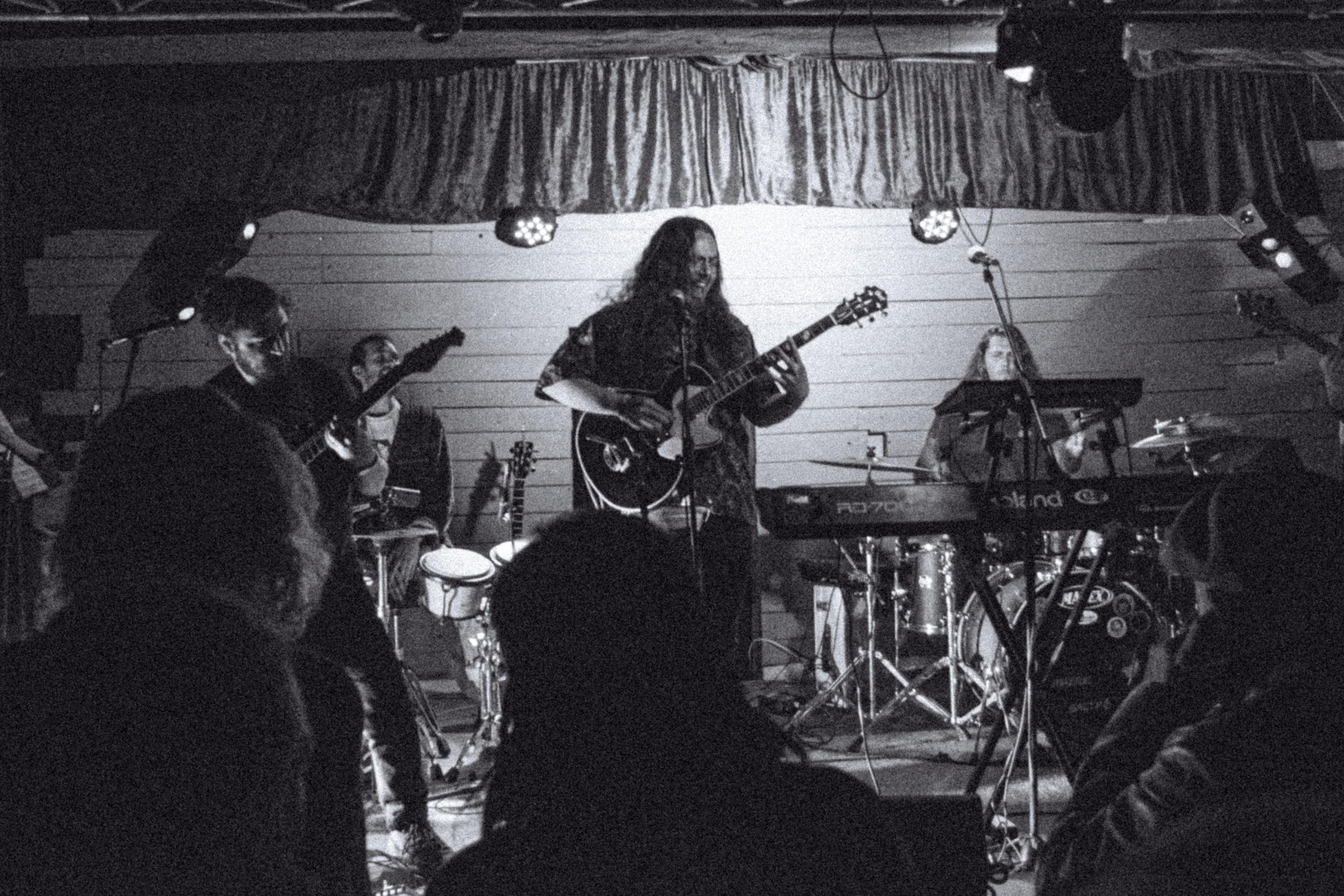
Photography by Gary van Wyk
Now that the project has been recognised with the SAMA for ‘Best Alternative Album’, how do you feel about the project? And what is the significance of this win for local independent musicians?
It feels massive to have been recognised by a body like the SAMAs. We've had a few nominations from the studio, and when I got the news that I’d been nominated, I was ecstatic - but the win has been just an incredible feeling.
I think that making alternative music always feels risky, because you never know what your alternative will be to someone else's normal, but to know that there are some people in the industry out there who listened to the album and appreciated its coherence, despite its eclecticism, and recognised the effort that I'd put in, it felt really special.
Making music as an independent artist is really tough. None of the albums we've recorded at the studio, including my own, have ever broken even. No one's making money here, and often people aren't even reaching the audiences that would appreciate their work as art, not just as content.
But having the SAMAs nominate and give awards to albums by independent artists – young, independent artists who self-fund their projects, and make a plan to create despite the dire circumstances of the industry – it validates the work we're doing, and the effort that is continually put in by independent artists in Cape Town. I trust that this is the first of many for artists from the community.
Photography by Gary van Wyk
For the last question, what is your opinion of the current cultural landscape and where do you see it going from here?
Cape Town is a complicated place. So much of the city’s history lives unspoken in our everyday lives, not least when it comes to where things happen and where people live. People’s incomes are increasingly stretched by the costs of living in this city, and when combined with broader shifts in the global music industry I think that a lot of the physical and social infrastructure that supports the cultural landscape is taking strain.
Live venues are closing, audiences have less money to spend on the arts, and promoters are having to minimise risk by making events more scarce and cutting down on production costs. On top of this, Covid had a massive effect on the continuity of the scene - the bands and venues and events that served as the ‘training grounds’ for younger artists like myself were obliterated, and while some amazing new initiatives have sprung up in their place I don’t think the scene has gained back the resilience and security that existed before.
All of this has left artists facing fewer opportunities to generate and share new works, and certainly reduced the viability of earning a liveable income doing so. With that being said, I think that Cape Town has always been teeming with creativity and culture, and I think that the last six years have also involved seeds being planted for a stronger, more integrated cultural scene that speaks to the needs and interests of the residents of the city.
People are trying new things, creative communities are growing and organising together, and I don’t think it will be possible for these sparks to be extinguished. But I can’t lie, I think it’s going to take a lot of hard work by a lot of people. We need to organise to ensure that creatives get their dues, and to bring audiences into the process in a way that includes them and meets them where they’re at.